Leaders meet in Albania to debate European security concerns

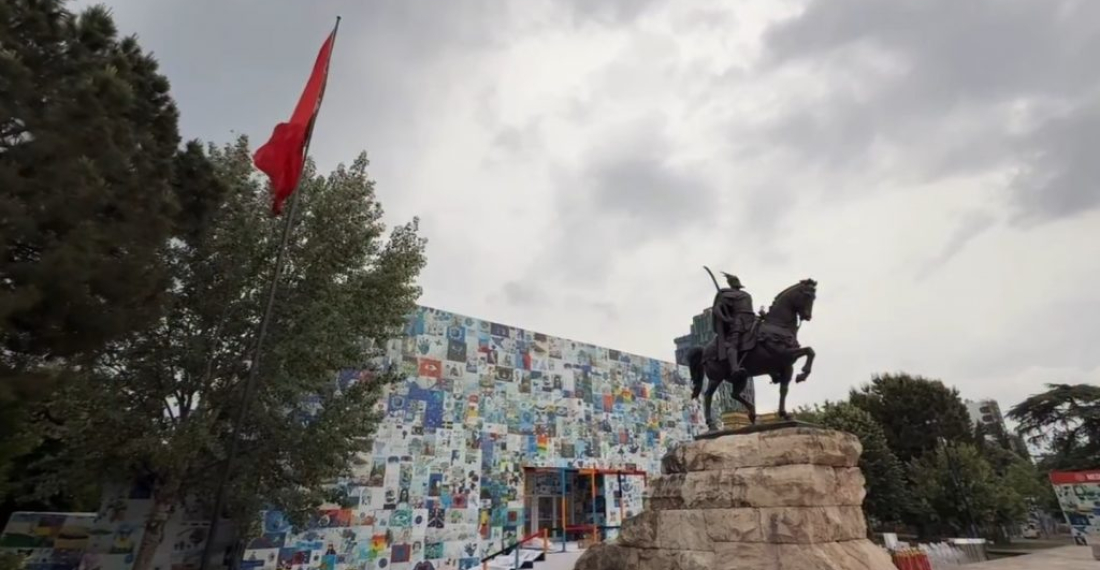
The leaders of 47 European countries and organizations are gathering Friday 16 May for a one-day summit in Albania’s capital Tirana to discuss security and defense challenges across the continent, with the Russia-Ukraine conflict at the top of the agenda. The theme of the European Political Community (EPC) summit in Tirana is “New Europe in a new world: unity - cooperation - joint action.” The gathering will also address ways to improve the continent’s competitiveness and tackle unauthorised migration.

The EPC will also be a setting for leaders to meet bilaterally, or in small groups, to weigh in on major security issues. The inaugural summit in Prague in 2022 saw the leaders of Armenia and Azerbaijan holding rare talks in an effort to ease tensions between the longtime adversaries. 

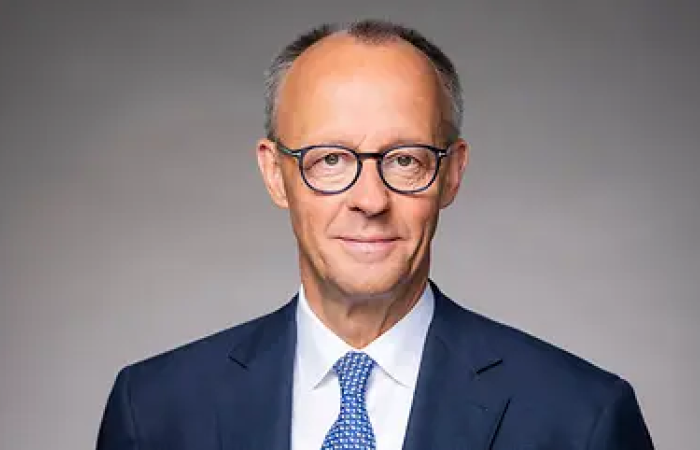
Ukrainian President Volodymyr Zelenskyy is among the leaders invited to the event in Tirana. Last weekend, Zelenskyy hosted French President Emmanuel Macron, U.K. Prime Minister Keir Starmer, German Chancellor Friedrich Merz and Polish Prime Minister Donald Tusk in Kyiv, where they made a joint call for a 30-day end to hostilities.

“As Russia’s war of aggression against Ukraine continues, its consequences stretch far beyond Ukraine’s borders, straining our security and testing our collective resilience,” Albanian Prime Minister Edi Rama and European Council President António Costa wrote in their EPC summit invitation letter.

The last summit, hosted by Hungarian Prime Minister Viktor Orbán, a supporter of U.S. President Donald Trump, was dominated by the concerns and opportunities that might arise in the wake of Trump’s reelection

Rama’s governing Socialist Party won Albania’s parliamentary elections held on 11 May, attracting voters who support the country’s long and somewhat uphill effort to join the European Union. The vote secured a fourth term for Rama.

The EPC forum is Macron’s brainchild, and was backed by former German Chancellor Olaf Scholz, aiming to boost security and prosperity across the continent. But critics claimed it was an attempt by them to put the brakes on EU enlargement. The 2022 inaugural summit involved the EU’s 27 member countries, aspiring partners in the Balkans and Eastern Europe, as well as neighbors like the UK and Turkey.

Russia is the one major European power not invited, along with Belarus, its neighbor and supporter in the war with Ukraine.  The next EPC meeting will take place in Denmark later this year.

Source: commonspace.eu with agencies. Photo: Tirana. Albanian Telegraphic Agency
Related articles

Editor's choice
News
Borrell tells the European Parliament that the situation in Afghanistan was critical, but the EU will remain engaged

Borrell tells the European Parliament that the situation in Afghanistan was critical, but the EU will remain engaged

Borrell underlined that the European Union will make every effort to support the peace process and to remain a committed partner to the Afghan people. "Of course, we will have to take into account the evolving situation, but disengagement is not an option.  We are clear on that: there is no alternative to a negotiated political settlement, through inclusive peace talks.
Editor's choice
News
Germany accuses Russia of cyberattacks and disinformation campaign

Germany accuses Russia of cyberattacks and disinformation campaign

The German government holds Russia responsible for a cyberattack on German air traffic control, and for targeted disinformation campaigns before the last federal election. According to the German Foreign Office in Berlin, the incidents could be clearly attributed to the Russian military intelligence service, the GRU. In response, the Russian ambassador to Berlin was summoned to the Foreign Ministry. "We have been observing a massive increase in threatening hybrid activities by Russia for some time now," a spokesperson for the Foreign Ministry stated. These range from disinformation campaigns and espionage to cyberattacks and sabotage attempts. The aim is to divide society, sow distrust, and undermine confidence in democratic institutions. The spokesperson added that with these actions, Russia is "very concretely threatening our security, not only through its war of aggression against Ukraine, but also here in Germany."  The Foreign Ministry spokesperson explained that the cyberattack on air traffic control in August 2024 was clearly attributed to the hacker collective "APT28," known as "Fancy Bear," and to the responsibility of the Russian military intelligence service, the GRU. Furthermore, it could now be "conclusively stated" that Russia had attempted "to influence and destabilize both the last Federal election and the ongoing internal affairs of the Federal Republic of Germany." There was "absolutely irrefutable evidence" for this". The so-called "Storm 1516" campaign, which has been running since 2024, is allegedly backed by "reliable information" that the Moscow-based think tank "Center for Geopolitical Expertise" is behind it. The Center is also said to be supported by Russian military intelligence. Its primary aim is to influence democratic elections in the West. (Click the image to read more).

Popular

Editor's choice
News
Germany accuses Russia of cyberattacks and disinformation campaign

Germany accuses Russia of cyberattacks and disinformation campaign

The German government holds Russia responsible for a cyberattack on German air traffic control, and for targeted disinformation campaigns before the last federal election. According to the German Foreign Office in Berlin, the incidents could be clearly attributed to the Russian military intelligence service, the GRU. In response, the Russian ambassador to Berlin was summoned to the Foreign Ministry. "We have been observing a massive increase in threatening hybrid activities by Russia for some time now," a spokesperson for the Foreign Ministry stated. These range from disinformation campaigns and espionage to cyberattacks and sabotage attempts. The aim is to divide society, sow distrust, and undermine confidence in democratic institutions. The spokesperson added that with these actions, Russia is "very concretely threatening our security, not only through its war of aggression against Ukraine, but also here in Germany."  The Foreign Ministry spokesperson explained that the cyberattack on air traffic control in August 2024 was clearly attributed to the hacker collective "APT28," known as "Fancy Bear," and to the responsibility of the Russian military intelligence service, the GRU. Furthermore, it could now be "conclusively stated" that Russia had attempted "to influence and destabilize both the last Federal election and the ongoing internal affairs of the Federal Republic of Germany." There was "absolutely irrefutable evidence" for this". The so-called "Storm 1516" campaign, which has been running since 2024, is allegedly backed by "reliable information" that the Moscow-based think tank "Center for Geopolitical Expertise" is behind it. The Center is also said to be supported by Russian military intelligence. Its primary aim is to influence democratic elections in the West. (Click the image to read more).