Iranian special presidential envoy and deputy foreign minister, Abbas Araghchi, has concluded his trip to introduce the Iranian plan for a solution to the Nagorno-Karabakh conflict after visiting Baku, Moscow, Yerevan and Ankara.
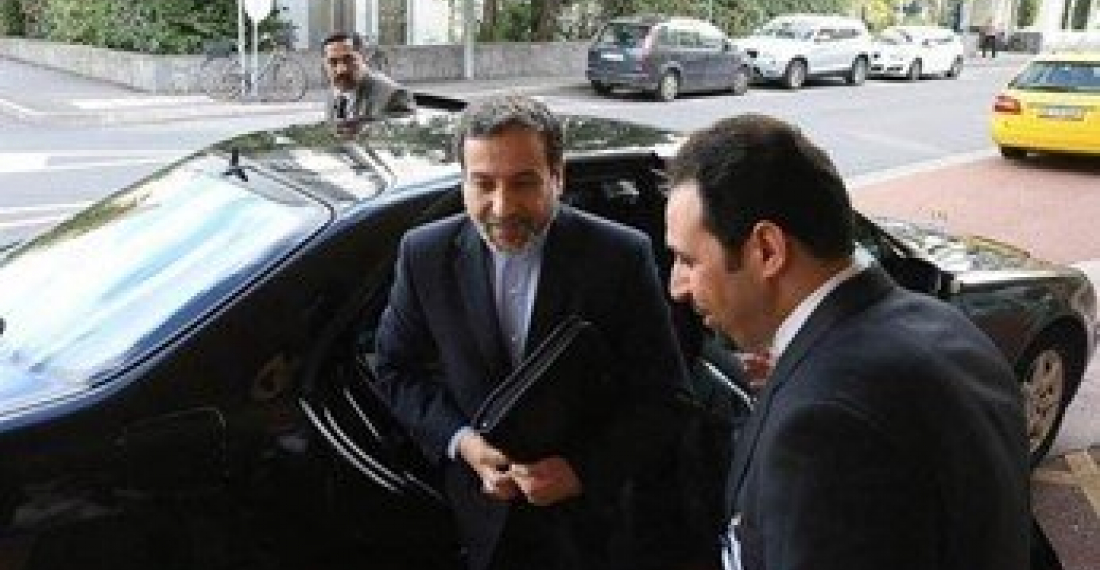
Araghchi announced that he awaits the response of all four parties related to the Nagorno Karabakh conflict after presenting each of them with the Iranian plan. Araghchi met Turkish Deputy Foreign Minister, Sedat Önal, in Ankara and described all parties' vision as positive.
Frank and productive discussion with Deputy Foreign Minister Sedat Önal in Ankara. Iran and Turkey are two major players with undeniable role in peace and stability of the region. pic.twitter.com/nYP4lBGxB3
— Seyed Abbas Araghchi (@araghchi) October 31, 2020
Adding on the Minsk Group formula, Araghchi commented:
"We cannot reject other mechanisms such as the Minsk Group and our initiative is not a substitute for the Minsk Group's initiative, but rather complements it. We are in the process of supporting the group's ongoing efforts and addressing its weaknesses through a regional vision and using the energies of all influential players in the region to solve the crisis."
Araghchi added that immediate implementation of the plan will not be easy, but they would continue their efforts. Araghchi also pointed that Azeris and Armenians live side by side in Iran and that his country seeks to play a role accepted by both countries.
According the Bultan News, the Iranian plan includes three major features: The first feature affirms the internationally accepted principles, including the UNSC Resolutions. The second feature is the regional approach in which Iran and Turkey plan a role besides the three Minsk countries. The third feature looks into the reality on ground. The draft plan comes into action once a ceasefire is agreed upon. Some of the major actions include the withdrawal of Armenian forces from the seven areas controlled by the Armenians 30 years ago, the recognition of the rights of the Armenian people living in Nagorno Karabakh including the security and protection of the rights of these people, and that further political talks will be held to determine the status of Nagorno Karabakh.
Before flying to Ankara, Araghchi also met the Armenian Prime Minister Nikol Pashinyan yesterday where they discussed the regional initiative of Iran among. Araghchi described the meeting as fruitful and constructive.
Today I had in depth discussion with H. E. Pashinyan, Prime Minister of Armenia, on Iran's Regional Initiative to Help in Ending the Nagorno-Karabakh Conflict. The meeting was fruitful and constructive. pic.twitter.com/Jg46Ax85ph
— Seyed Abbas Araghchi (@araghchi) October 30, 2020
It is understood that the Iranian plan may include the presence of Russian peacekeepers. However, Dmitry Peskov, spokesman for the Russian President, said that no peacekeepers will be present without the agreement of both Armenia and Azerbaijan.
On the other hand, Robert C. O'Brien, the US national security adviser, said that peacekeepers should not be from one of the Minsk Countries (Russia, France and the United States) but rather from Scandinavian countries.
source: commonspace.eu
photo: Iranian Special Envoy Abbas Araghchi arrivinbg for talks with Turkish officials in Ankara (picture courtesy of Tasnim news agency, Tehran)