


Dozens of abductees freed in Libya

The 444 Brigade of the Tripoli Military Region announced that it has freed 110 hostages from different nationalities that had been abducted by armed gangs in the northwestern Libyan city of Bani Walid.

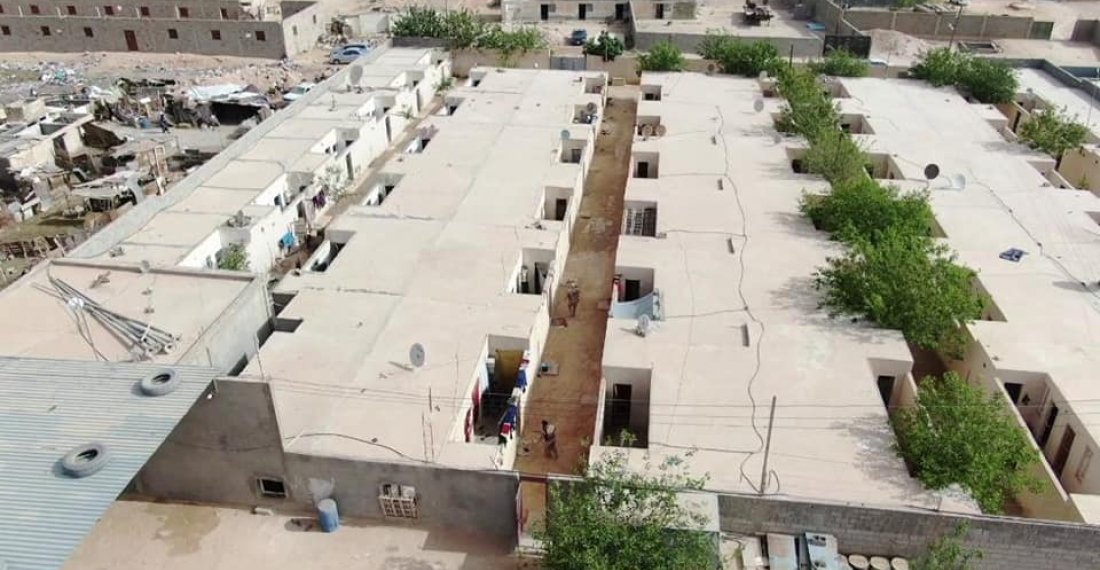
The brigade raided several hideouts for gangs that had been implicated in kidnapping and theft activities in Bani Walid. Creating a safe environment is one of the key priorities of the Libyan government. Brigade 444 had also released several Egyptian abductees in March. 

Bani Walid has been notoriously known for the criminal activities including the trafficking of asylum seekers. It lies on a crossing point for migrants leading to the west coast. 

The Libyan government is also releasing prisoners of war caught during the battles against Haftar's forces last year. Minister of Justice Halima Abdel Rahman stressed that the release "is the first building block for national reconciliation among the people of the same country", and said that are other upcoming initiatives as well. 

She added that the ministry will work "to build the rule of law and the respect for the judiciary, there will be no prisons outside the law, and no one will be imprisoned except within the law".

 

Source: commonspace.eu with Asharq Al-Awsat (London) and The New Arab (London). 
Picture: Criminal sites in Bani Walid, Libya raided by forces from Brigade 444. 

Related articles

Popular

Editor's choice
Interview
Thursday Interview: Murad Muradov

Thursday Interview: Murad Muradov

Today, commonspace.eu starts a new regular weekly series. THURSDAY INTERVIEW, conducted by Lauri Nikulainen, will host  persons who are thinkers, opinion shapers, and implementors in their countries and spheres. We start the series with an interview with Murad Muradov, a leading person in Azerbaijan's think tank community. He is also the first co-chair of the Action Committee for a new Armenian-Azerbaijani Dialogue. Last September he made history by being the first Azerbaijani civil society activist to visit Armenia after the 44 day war, and the start of the peace process. Speaking about this visit Murad Muradov said: "My experience was largely positive. My negative expectations luckily didn’t play out. The discussions were respectful, the panel format bringing together experts from Armenia, Azerbaijan, and Turkey was particularly valuable during the NATO Rose-Roth Seminar in Yerevan, and media coverage, while varied in tone, remained largely constructive. Some media outlets though attempted to represent me as more of a government mouthpiece than an independent expert, which was totally misleading.  Overall, I see these initiatives as important steps in rebuilding trust and normalising professional engagement. The fact that soon a larger Azerbaijani civil society visits to Armenia followed, reinforces the sense that this process is moving in the right direction." (click the image to read the interview in full)

