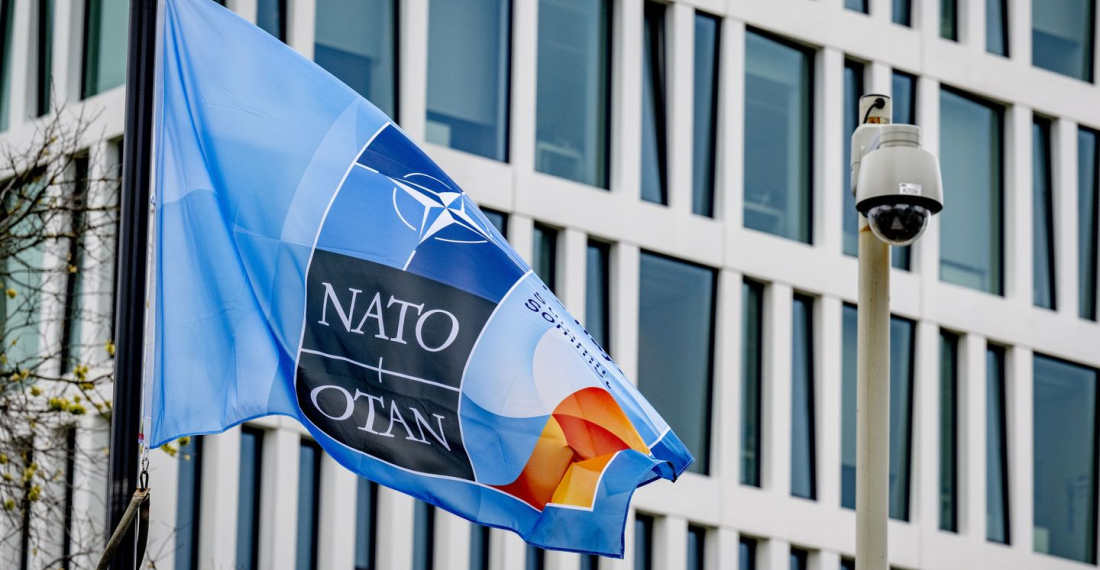
NATO summits are usually orderly affairs, prepared well in advance, and an opportunity for the partners in the military alliance to show unity and resolve. The forthcoming NATO Summit in The Hague, on Tuesday and Wednesday, 24 and 25 June is different. As the BBC put it, there will be 32 leaders from Europe and North America present, but “only one man matters - NATO's summit is all about Trump”. With three wars on its borders, NATO needed a good summit in The Hague. Whilst managing Mr Trump, the 31 other leaders in The Hague need to think of the future.
On the face of it, it is all about money, and the issue has been debated for a long time, namely, how much should European countries spend on their defence. Trump says that European countries don’t spend enough, and it is true that at present, European countries contribute only about 30% of the alliance budget. But that has been changing since 2022, and it has got nothing to do with Trump, It is the result of Russia’s invasion of Ukraine, which has been a wake-up call for Europe to the dangers that exist. European countries have sent billions of euros to Ukraine to boost its military and sustain its economy. Many European countries feel that Trump has not only not appreciated this, but that by his words and deeds, he has undermined both the European effort, and more importantly, Ukraine’s legitimate struggle. They take exception to Trump’s mercantile approach. For some European allies, such as Poland and the Baltic States, this is increasingly an existential issue.
But to appease Trump, on Sunday (22 June), the allies agreed to increase their military spending to 5% of GDP: 3.5% in actual military spending, and 1.5% in related costs, such as infrastructure. There was a bit of shouting and screaming by the Spanish, but in the end, everyone fell in line.
The 5% formula has been cooked by NATO’s Secretary General, Mark Rutte, the Netherlands' quintessential Teflon man, whose unenviable job has been over the last six months to manage Trump, and keep him happy. The summit in the Hague, the city where Rutte cut his political teeth as Dutch Prime Minister for ten years, will seek to do just that. The Ukrainian President Vlodomyr Zelensky has been removed from the programme and will instead feature in the official dinner; the core discussions of the summit have been reduced to three hours, because Mr Trump does not like long meetings, especially if he is surrounded by people that he knows do not like him.
In the Netherlands, people will be happy to see the end of the affair. People do not mind that the summit is costing 183.4 million euros, making it the most expensive NATO summit ever, but they get very agitated about the traffic restrictions in The Hague as the Dutch police mount the biggest security operation in the history of their country. The Dutch don’t usually take their government too seriously; for example, they just lost their government in a political crisis, but will only get round to choosing a new one in October. But they are aware that a failed summit can be very harmful. So the quicker they can get the summit out of the way, the better.
But there is another reason why the The Hague NATO Summit is unlike any other. It is being held in the shadow of three wars on NATO’s doorstep: the Ukraine War, the Gaza War and the Iran-Israel War. Whilst the three wars are very different from each other, NATO cannot ignore any of the them. Sooner or later, they will have an impact on the way of life, not to mention the peace and security, of all Europeans.
NGOs and civil society organisations in The Hague have been struggling to get a voice in the media circus that surrounds the summit. It is all good that defence spending is increasing. The lesson from Ukraine is that this increased spending is necessary. But European governments must also support civil society efforts towards the prevention and resolution of conflicts. The cost is minuscule compared to what is spent, and what will be spent, on armaments and the military. Yet this spending on civil society is always the first to be hit in funding cuts. A more holistic approach to defence and security is necessary. The summit in The Hague, could have been a good opportunity to discuss this. In the end, it became a missed opportunity
NATO needed a good summit in The Hague. Thanks to Mr Trump, it will not have it. Everyone, even military alliances, are allowed their moment of folly. But Nato cannot afford a repeat of this summit. Whilst managing Mr Trump, the 31 other leaders in The Hague need to think of the future.
Please click here to download this week's Monday Commentary.