


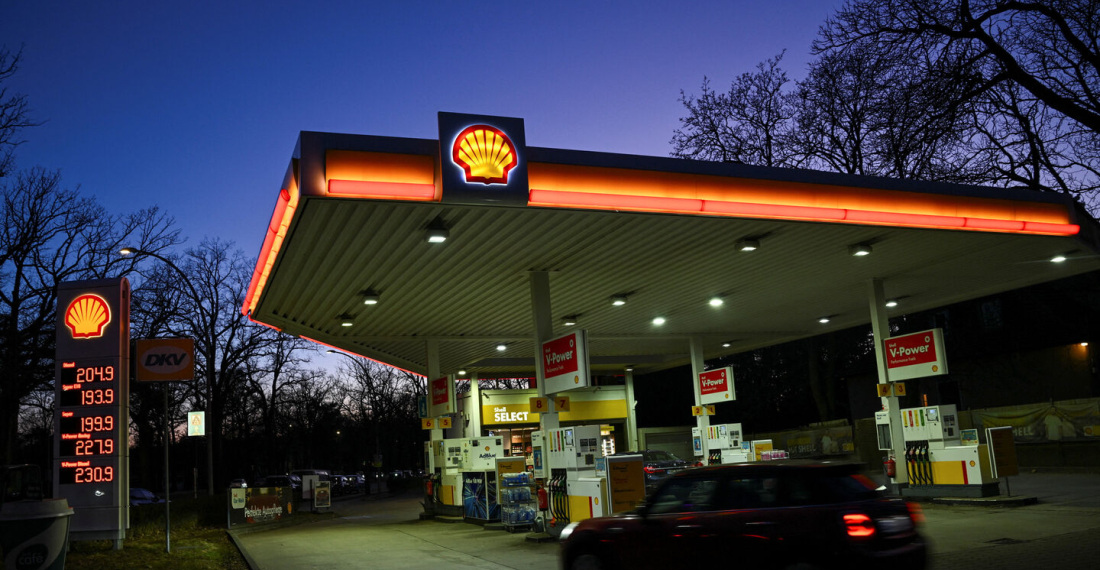
EU Energy Commissioner - prepare for a "prolonged disruption" to energy markets

In a letter to EU energy ministers dated Monday (30 March) and seen by Reuters, European Commissioner for Energy Dan Jørgensen urged governments to “make timely preparations in anticipation of a potentially prolonged disruption”.

Europe’s reliance on imported energy leaves it exposed to the impact of the Middle East conflict on global prices. European gas prices have risen sharply, by around 70%, since the outbreak of the US-Israeli war with Iran on 28 February.

While the bloc’s direct supplies of crude oil and natural gas have not yet been significantly disrupted, as Europe sources much of its energy from outside the Middle East, the situation remains fragile, particularly given risks to key shipping routes.

Jørgensen warned that Brussels is especially concerned about Europe’s supply of refined petroleum products, including diesel and jet fuel.

The letter advised governments to avoid measures that could increase fuel consumption, restrict trade in petroleum products, or discourage output at European refineries.

“Member States are encouraged to defer any non-emergency refinery maintenance,” the letter added.

Source: commonspace.eu with Reuters

Related articles

Popular

Editor's choice
Interview
Thursday Interview: Murad Muradov

Thursday Interview: Murad Muradov

Today, commonspace.eu starts a new regular weekly series. THURSDAY INTERVIEW, conducted by Lauri Nikulainen, will host  persons who are thinkers, opinion shapers, and implementors in their countries and spheres. We start the series with an interview with Murad Muradov, a leading person in Azerbaijan's think tank community. He is also the first co-chair of the Action Committee for a new Armenian-Azerbaijani Dialogue. Last September he made history by being the first Azerbaijani civil society activist to visit Armenia after the 44 day war, and the start of the peace process. Speaking about this visit Murad Muradov said: "My experience was largely positive. My negative expectations luckily didn’t play out. The discussions were respectful, the panel format bringing together experts from Armenia, Azerbaijan, and Turkey was particularly valuable during the NATO Rose-Roth Seminar in Yerevan, and media coverage, while varied in tone, remained largely constructive. Some media outlets though attempted to represent me as more of a government mouthpiece than an independent expert, which was totally misleading.  Overall, I see these initiatives as important steps in rebuilding trust and normalising professional engagement. The fact that soon a larger Azerbaijani civil society visits to Armenia followed, reinforces the sense that this process is moving in the right direction." (click the image to read the interview in full)


