


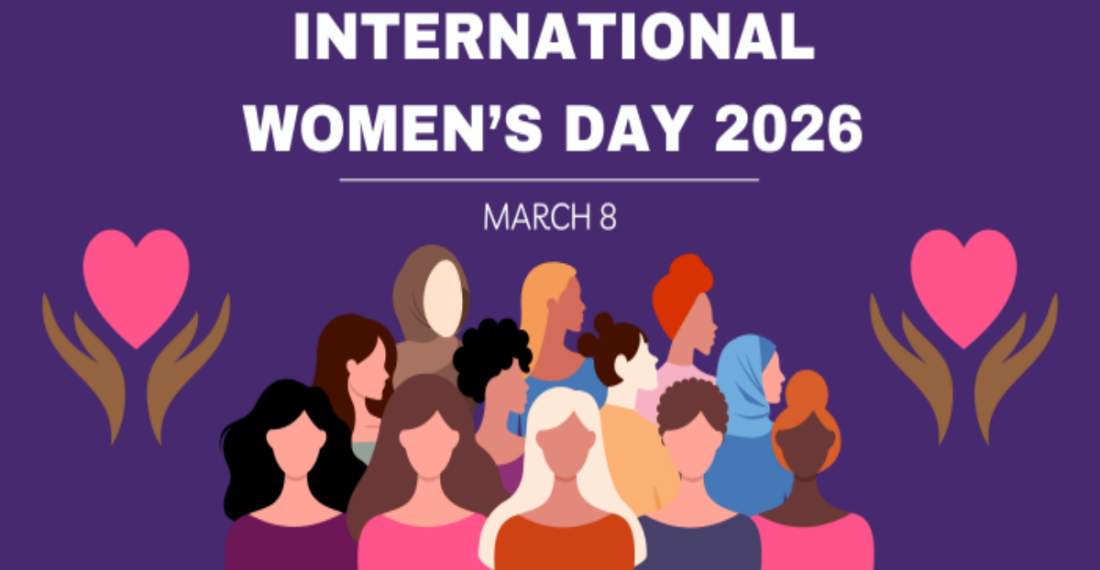
The editorial team of commonspace.eu extend their best wishes on the occasion of International Women's Day 2026, to all our women readers and subscribers, and to all women worldwide.
This year, as the world struggles to deal with conflict in different parts of the world, our thoughts are with women caught in war, especially those in Ukraine, Gaza, Sudan, Iran and other parts of the world.
International Women’s Day is celebrated every year on 8 March to honour the achievements of women worldwide and to highlight the ongoing fight for gender equality. It is a day that recognises the social, economic, cultural, and political contributions of women, while also encouraging action towards creating a more equitable society.
The history of Women’s Day traces back to the early 20th century, during a time when women were campaigning for better working conditions, voting rights, and equal pay. The first National Women’s Day was celebrated in the United States on 28 February 1909, organised by the Socialist Party of America to advocate for women workers’ rights.
In 1910, during the International Socialist Women’s Conference in Copenhagen, Clara Zetkin, a German activist, proposed the idea of an annual international day to promote women’s rights.
This laid the foundation for what we now know as International Women’s Day. Over the years, the day became a global symbol of women’s empowerment and gender equality
The origin of Women’s Day is rooted in activism and protest. Women in Europe and North America challenged unfair labour practices, poor working conditions, and the lack of political representation.
These early struggles were crucial in raising awareness about women’s rights and inspired countries around the world to recognise the day.
Today, International Women’s Day is celebrated in many countries, with events ranging from educational seminars and cultural programmes to campaigns for gender equality in workplaces and communities. ion. It serves as a platform to highlight the achievements of women while also addressing persistent challenges such as gender discrimination, pay gaps, and underrepresentation in leadership positions.
For organisations and governments, International Women’s Day is a reminder to create opportunities for women, promote equality in decision-making roles, and invest in education and training programmes. For individuals, it is a day to appreciate women’s contributions in everyday life, from families to professional fields.
The importance of Women’s Day lies in its ability to raise awareness, inspire action, and motivate societal change. It encourages communities to reflect on the progress made in gender equality and the work still required.
Recognising women’s achievements helps break stereotypes, challenge traditional norms, and empower future generations.
Moreover, the day is a call to action for governments, organisations, and individuals to implement policies that support women’s rights, ensure safety and equality, and foster inclusive environments.
The importance of Women’s Day is therefore both celebratory and strategic, aiming to build a world where women can thrive equally alongside men.
source: commonspace.eu with Economic Times, Times of India and agencies



