Editor's choice
This is a members’ functionality. Please
Sign upYoung voices
Trending
Climate change in Yemen: risks, realities and solutions
9 February 2023
"Notwithstanding years of global negligence, the conflict in Yemen has made climate change no less of a threat to Yemen than the pandemic and the violence caused by conflict," writes Faisal Alshamiry in this op-ed for commonspace.eu. He discusses the climate situation, the biggest risks, and offers some suggestions for how Yemen can mitigate the effects of climate change that represent just as much an existential threat to the country as the ongoing war.
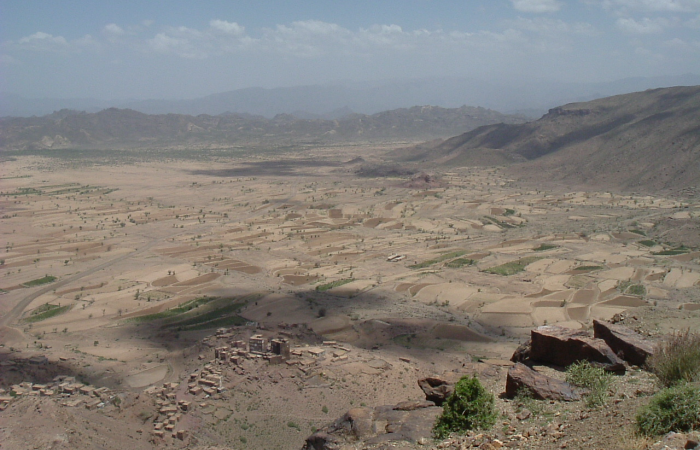
Discussions of climate change and environmental crises in Yemen are increasing in both local and international contexts. Yemen is known to be among the most arid places in the world and therefore one of the most vulnerable to climate change. In fact, during the past decade, the country has witnessed a higher rate of climate change in terms of water shortages and weather extremes, according to the World Bank. Moreover, low levels of land reclamation and migration out of farmlands are trends that further complicate the environmental challenges facing Yemeni society. To put this challenge into context, only 34% of the total land is agricultural, but the vast majority of this land is pastures, with only 3% being arable. Less than half of the arable land is actually cultivated.