Theme

Domestic Politics

Stories related to the internal politics of states and various domestic issues. 

Editor's choice
News
Germany accuses Russia of cyberattacks and disinformation campaign

Germany accuses Russia of cyberattacks and disinformation campaign

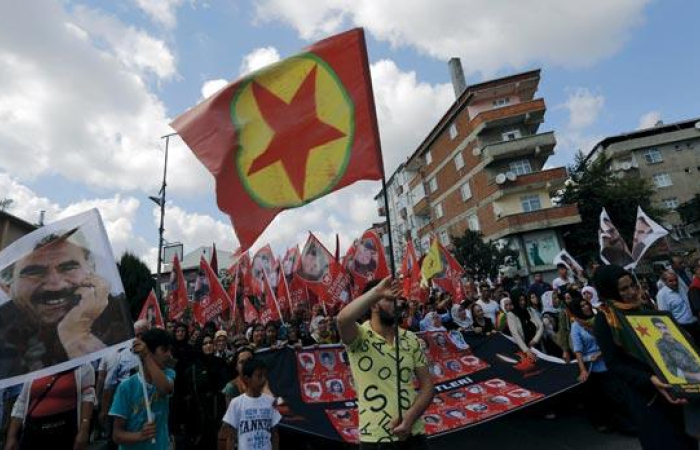
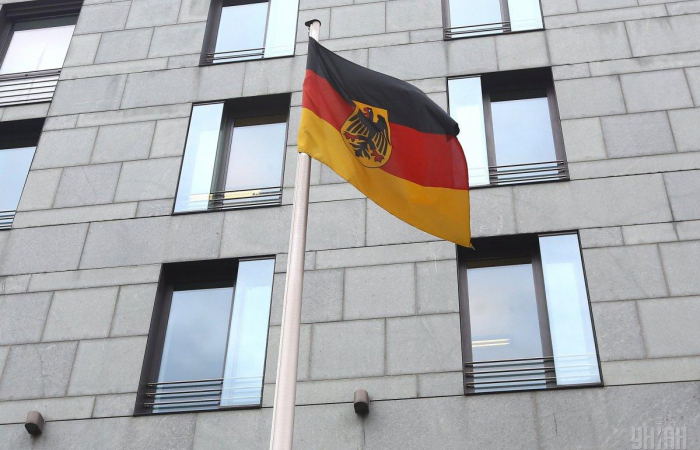
The German government holds Russia responsible for a cyberattack on German air traffic control, and for targeted disinformation campaigns before the last federal election. According to the German Foreign Office in Berlin, the incidents could be clearly attributed to the Russian military intelligence service, the GRU. In response, the Russian ambassador to Berlin was summoned to the Foreign Ministry. "We have been observing a massive increase in threatening hybrid activities by Russia for some time now," a spokesperson for the Foreign Ministry stated. These range from disinformation campaigns and espionage to cyberattacks and sabotage attempts. The aim is to divide society, sow distrust, and undermine confidence in democratic institutions. The spokesperson added that with these actions, Russia is "very concretely threatening our security, not only through its war of aggression against Ukraine, but also here in Germany."  The Foreign Ministry spokesperson explained that the cyberattack on air traffic control in August 2024 was clearly attributed to the hacker collective "APT28," known as "Fancy Bear," and to the responsibility of the Russian military intelligence service, the GRU. Furthermore, it could now be "conclusively stated" that Russia had attempted "to influence and destabilize both the last Federal election and the ongoing internal affairs of the Federal Republic of Germany." There was "absolutely irrefutable evidence" for this". The so-called "Storm 1516" campaign, which has been running since 2024, is allegedly backed by "reliable information" that the Moscow-based think tank "Center for Geopolitical Expertise" is behind it. The Center is also said to be supported by Russian military intelligence. Its primary aim is to influence democratic elections in the West. (Click the image to read more).
Filter archive

Publication date
Editor's choice
Monday Commentary
Controlling the narrative

Controlling the narrative

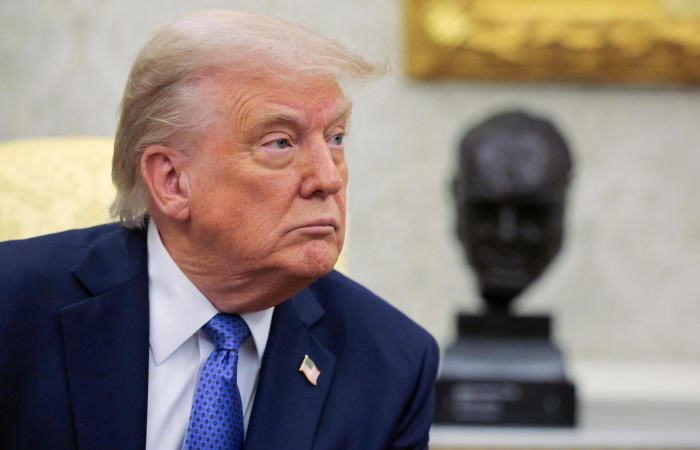
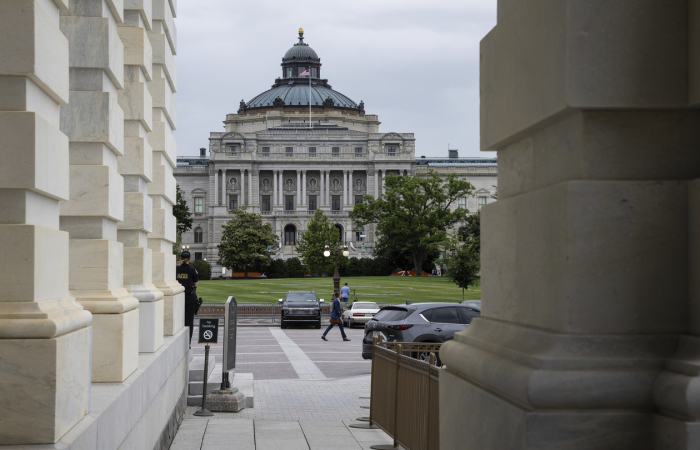
Donald Trump’s second presidency in the United States has been marked by a series of outrageous statements and actions that have gripped world attention. Some, like the demand that Canada becomes the 51st state, will never happen, others, like the threat to invade Greenland, are unlikely to happen and, on some, President Trump will change his mind, as he often does. Regardless, they provide a distraction to other acts that, whilst equally outrageous, received less attention, even if they form part of Trump’s core strategy. In this category, one can put the dismissal of Carla Hayden as the Librarian of Congress and Colleen Shogan as Archivist of the United States. Their replacement with Trump loyalists is a signal of Trump’s determination to control the narrative about his presidency, define what is truth and what is a lie, and make sure future generations will depend on a doctored history.
Editor's choice
Monday Commentary
New Pope, new Chancellor, same old Trump

New Pope, new Chancellor, same old Trump

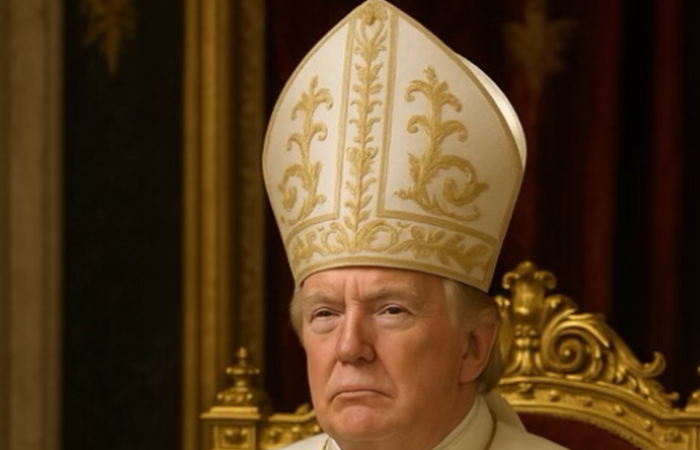
The Catholic Church has a new leader. Robert Prevost was not discussed by the media before being announced as the new Pope on Friday. He will follow the Church’s mantra, that has served it well over two thousand years, to be as flexible as necessary and as rigid as possible Europe has fresh energy in the person of the new German chancellor, Friedrich Merz. Despite the wobbly start in the German Parliament, Merz in the four days after his swearing-in met key European leaders, and laid the basis for his Chancellorship. Meanwhile, Donald Trump statements continue to hanker for the past. His call for the re-opening of the prison on Alcatraz is a case in point. Trump marks the end of the “American era”. The US will remain a rich and powerful country, but its global role will be much diminished.
Editor's choice
News
Irakli Kobakhidze reappointed Chairman of Georgian Dream

Irakli Kobakhidze reappointed Chairman of Georgian Dream

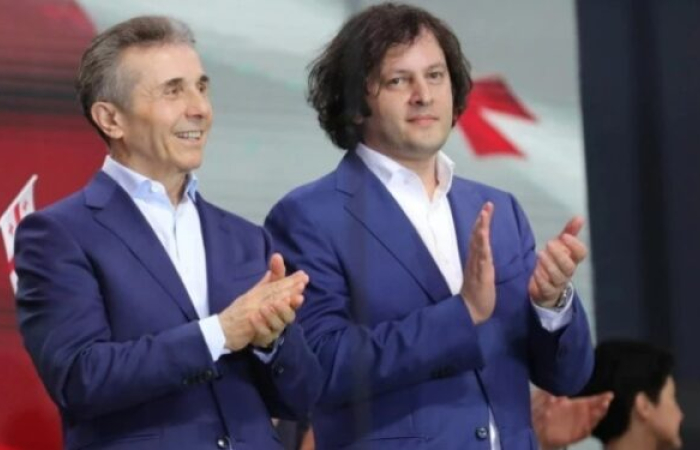
Irakli Kobakhidze has once again become the chairman of Georgian Dream, the party founded by oligarch Bidzina Ivanishvili in 2012 which has since been in power in Georgia. Ivanishvili is the party’s honorary chairman and is widely seen as the country’s shadow ruler. Kobakhidze is also the current prime minister of Georgia and had previously served as party chairman until February 2024. At that time, a political reshuffle took place with then Prime Minister Irakli Garibashvili becoming party chairman, while Kobakhidze was nominated for the prime minister’s post.
Editor's choice
News
Russia holds Victory Day parade marking 80th anniversary of Nazi Germany defeat

Russia holds Victory Day parade marking 80th anniversary of Nazi Germany defeat

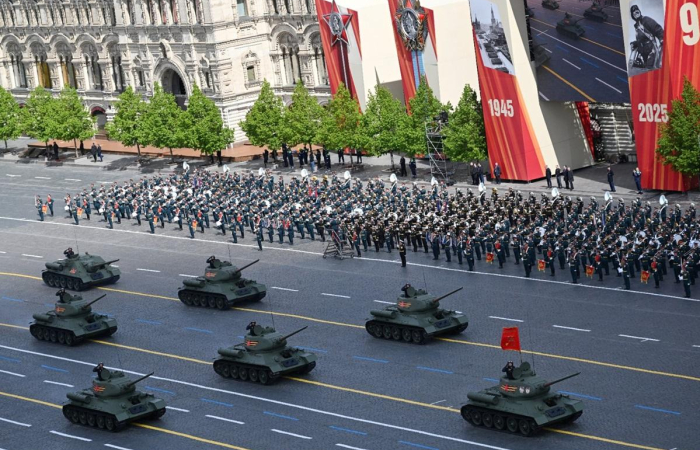
Russia marked the 80th anniversary of the defeat of Nazi Germany in World War II with a massive military parade on Red Square on Friday attended by President Vladimir Putin and foreign leaders, including Chinese President Xi Jinping and Brazilian President Luiz Inácio Lula da Silva. The parade and other ceremonies underline Moscow’s efforts to project its global power and cement the alliances it has forged while seeking a counterbalance to the West amid the conflict in Ukraine that has dragged into a fourth year.
Editor's choice
News
The rise of George Simion, a nationalist who topped Romania’s presidential election

The rise of George Simion, a nationalist who topped Romania’s presidential election

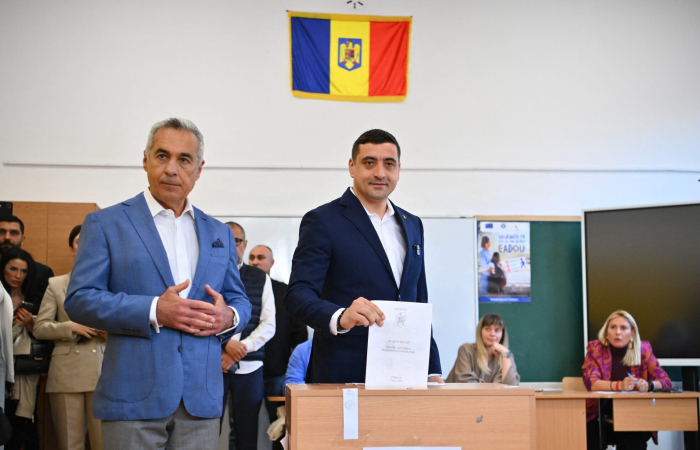
George Simion, a nationalist and vocal supporter of U.S. President Donald Trump, won Romania’s first-round presidential election on Sunday by a landslide after capitalizing on widespread anti-establishment sentiment. The 38-year-old leader of the Alliance for the Unity of Romanians (AUR), will face a pro-Western reformist in a May 18 runoff that could reshape the European Union and NATO member country’s geopolitical direction.
Editor's choice
Opinion
Opinion: Armenia Braces for a Turbulent Pre-Election Period

Opinion: Armenia Braces for a Turbulent Pre-Election Period

With parliamentary elections in Armenia just over a year away, opposition figures and some analysts are increasingly questioning Prime Minister Nikol Pashinyan’s prospects for re-election. Critics argue that he has failed to fulfil his widely promoted peace agenda and hold him accountable for the exodus of approximately 100,000 ethnic Armenians from the former Soviet-era Nagorno-Karabakh Autonomous Oblast (NKAO) in late September 2023. They also point to unrealistic campaign promises made during the last parliamentary elections held in 2021, including the pledge to reclaim the strategic hilltop citadel of Shusha and pursue remedial secession for the separatist but now dissolved Karabakh — goals widely seen as unattainable from the outset.
Editor's choice
News
Great power interest in Central Asia putting Uzbekistan in the spotlight

Great power interest in Central Asia putting Uzbekistan in the spotlight

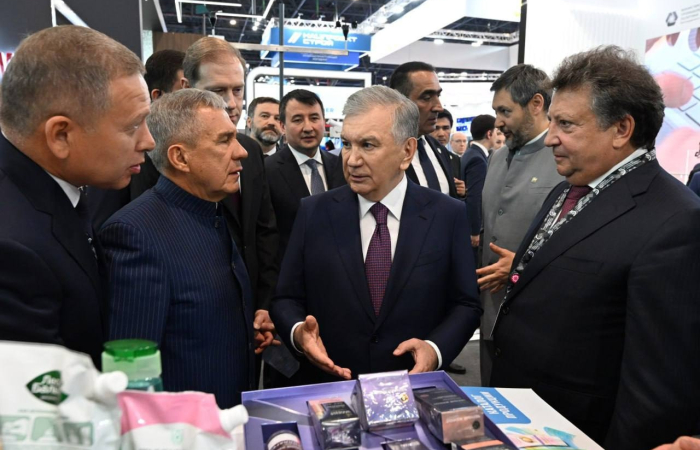
In recent times, Central Asia’s most populous nation has become the centre of attention for great powers, underscored by high level diplomatic contacts with the United States, the hosting of a regional summit with the leadership of the European Union and a high profile visit by hundreds of Russian officials and executives who participated in a trade fair in Tashkent. Western interest centres on Uzbekistan’s abundant reserves of critical minerals and a desire to develop clean energy  sources, including nuclear power. Russia, along with China, has broader trade interests, including developing manufacturing capacity.
Editor's choice
Monday Commentary
For Trump the problem is not Ukraine, it is China

For Trump the problem is not Ukraine, it is China

Many of us have watched with incredulity as US President Donald Trump sailed through his first one hundred days in office. Domestically, the period has been characterised by the biggest shake-up of the American Government in history based on an old Trumpian maxim, that Washington was a “swamp”, and one suspects also a wish to settle scores with an establishment that in the past had not hesitated in challenging the Trumpian reading of America and the world. On the international level, Trump focused in his first hundred days on Ukraine and tariffs. Certainly, there were plenty of other statements to fill the world headlines: Greenland, Panama Canal, Canada becoming the US 51st state, renaming the Gulf of Mexico, to name a few.