Theme

Diplomacy

Editor's choice
News
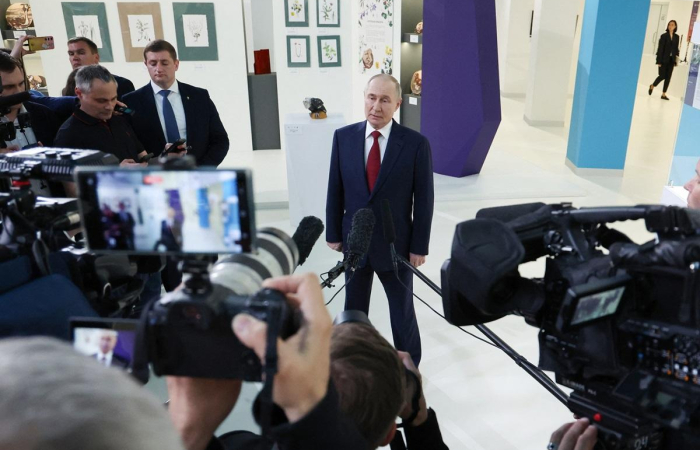
Putin remains focused on "near abroad". The Russian leader will meet the leaders of CIS countries in St Petersburg next week

Putin remains focused on "near abroad". The Russian leader will meet the leaders of CIS countries in St Petersburg next week

Russian President Vladimir Putin  remains focused on the "near abroad". Tomorrow and on Monday (21-22 December) Putin will attend a meeting of the Supreme Eurasian Economic Council and an informal meeting of CIS leaders in St. Petersburg. The Kremlin press service reported that during the EAEU meeting, the leaders plan to discuss current issues related to the EAEU's activities, outline guidelines for further deepening integration processes and developing the Union's single market, and approve a number of significant documents and decisions. Furthermore, at Vladimir Putin's initiative, the traditional informal meeting of the leaders of the Commonwealth of Independent States will take place in St. Petersburg on December 22. The Russian President will also hold bilateral discussions with the leaders of a number of countries.
Filter archive

Publication date
Editor's choice
News
NATO-Russia Council meets for a "not an easy discussion"

NATO-Russia Council meets for a "not an easy discussion"

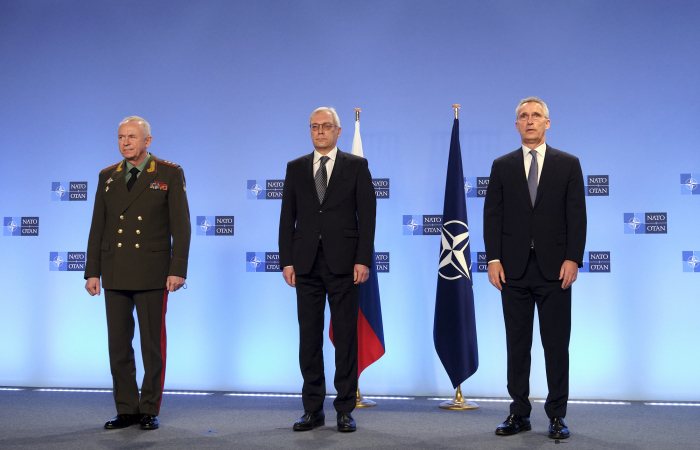
Speaking at a press conference after the meeting at NATO headquarters in Brussles, NATO Secretary General Jens Stoltenberg, who chaired the meeting, said: “This was not an easy discussion, but that is exactly why it was so important.” He noted that NATO Allies are ready to meet again with Russia to discuss a number of topics in greater detail and to put concrete proposals on the table. “There are opportunities for constructive engagement which should not be missed, in the interest of security in Europe,” he said.
Editor's choice
Opinion
Opinion: The implosion of Kazakhstan was unexpected, and it has implications for the whole post-Soviet space

Opinion: The implosion of Kazakhstan was unexpected, and it has implications for the whole post-Soviet space

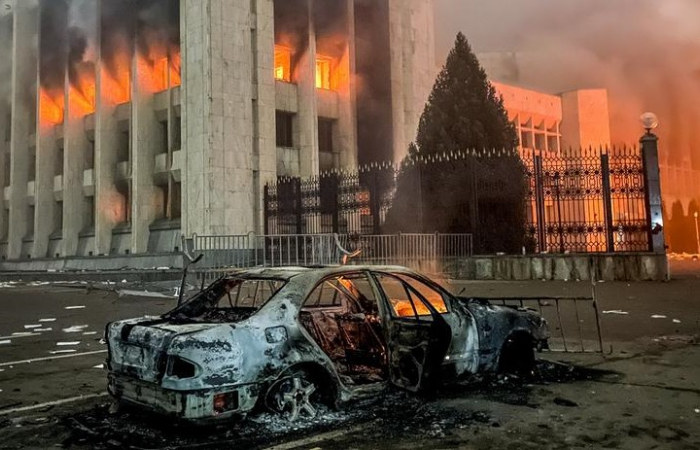
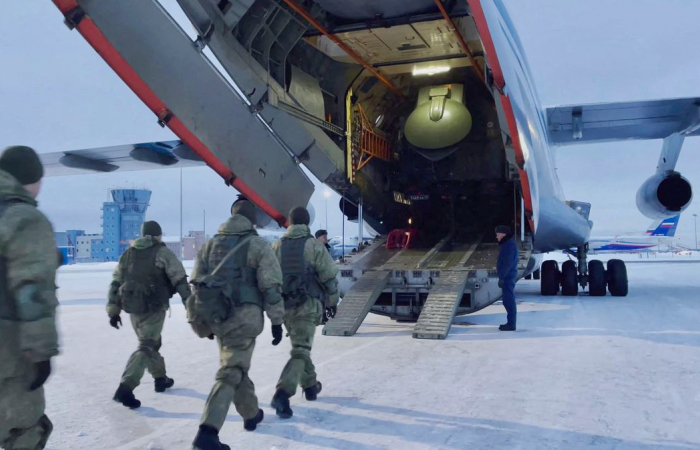
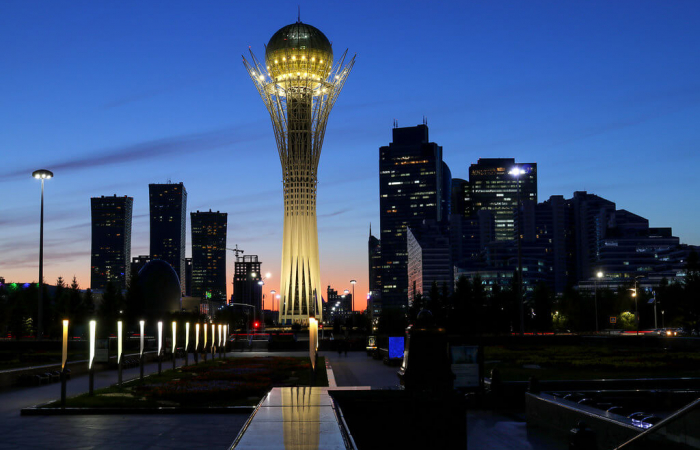
"We need time to understand better what happened in Kazakhstan, and why", writes Benyamin Poghosyan in this op-ed. Whilst sending CSTO troops to Kazakhstan was clearly President Putin's decision to support President Tokayev in the internal fight between Kazakh local elites, the deployment has implications also for other countries participating in the mission, including Armenia.
Editor's choice
News
A week of intensive diplomacy as the west engages with Russia on Ukraine and disarmament issues

A week of intensive diplomacy as the west engages with Russia on Ukraine and disarmament issues

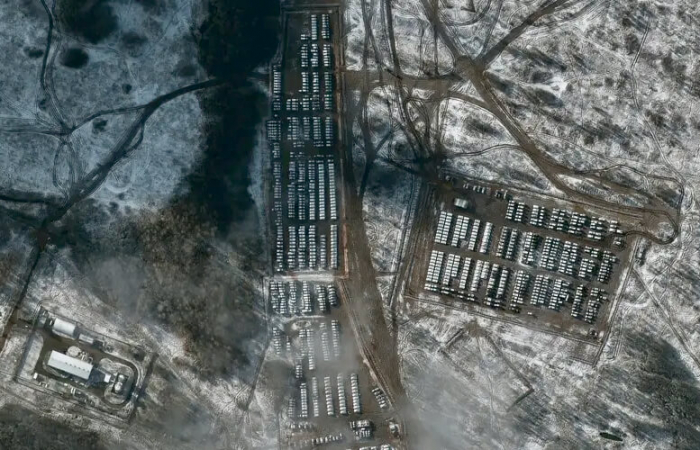
NATO Secretary-General, Jens Stoltenberg, warned that the buildup of Russian military forces and equipment along the Ukrainian border is continuing and that Russia has failed to respond to international appeals and pressure for de-escalation in recent weeks. Stoltenberg was speaking after an extraordinary virtual meeting with all NATO Ministers of Foreign Affairs, held on Friday, 7 January.
Editor's choice
News
Israel says it does not oppose "a good nuclear deal" with Iran

Israel says it does not oppose "a good nuclear deal" with Iran

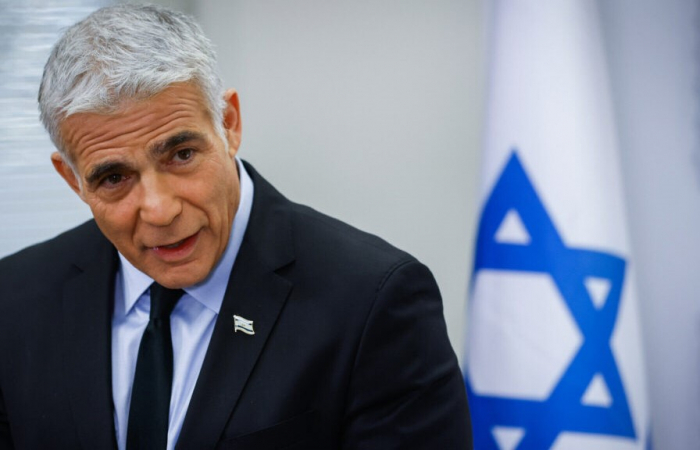
Israeli leaders appear to have recently softened their position as regards a nuclear deal with Iran, saying they would not oppose "a good deal". Israel’s foreign minister, Yair Lapid, said that Israel would have no problem with a strong nuclear deal with Iran on condition that the deal permanently limits Iran’s ability to assemble a nuclear weapon.
Editor's choice
Opinion
Opinion: Crisis in Kazakhstan gives Putin more leverage on Central Asia

Opinion: Crisis in Kazakhstan gives Putin more leverage on Central Asia

As an uneasy calm returns to Kazakhstan, it seems that once again, the only beneficiary from another crisis in the post-Soviet space has been Russian President Vladimir Putin, writes Maximiliaan van Lange in this op-ed for commonspace.eu. Putin’s decision to quickly deploy airborne troops as part of a "peacekeeping force" to support the Kazakh regime in controlling the turmoil surprised even some Russian commentators who have called it inappropriate. But by its actions, Moscow is sending a message that it will not tolerate turmoil in former Soviet states. With this step, Russia has considerably strengthened its position in Kazakhstan and nips in the bud the risk of a domino effect in Central Asia