Theme

Diplomacy

Editor's choice
News
Pope's visit to Türkiye and Lebanon has a strong ecumenical character, and places interreligious dialogue at its centre

Pope's visit to Türkiye and Lebanon has a strong ecumenical character, and places interreligious dialogue at its centre

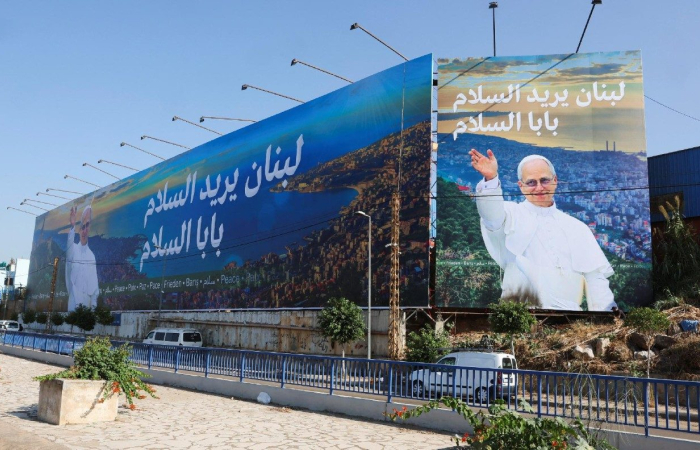
Pope Leo XIV has begun the first overseas trip of his pontificate, a six-day visit to Türkiye and Lebanon, which started yesterday (27 November) and ends on Tuesday (2 December). According to Vatican Radio, the visit "carries a strong ecumenical character and places interreligious dialogue at its centre. It will also be a moment of closeness to Christian communities and local populations across the region".   During nearly a week in the region, Pope Leo XIV will meet civil and religious authorities, visit mosques and ancient churches, pray at Beirut’s port in memory of the victims of the 2020 explosion, and hold private meetings with Presidents Recep Tayyip Erdoğan and Joseph Aoun.   A highlight of the visit will be a visit to Nicaea, where the Pope will mark the anniversary of the Council of Nicaea. Christians of many traditions recognise the Council of Nicaea as a foundation of shared faith. One of the most anticipated moments will be the Pope’s encounter with Lebanese youth in Bkerké, at the Maronite Patriarchate, a meeting expected to carry strong messages of hope in the Jubilee Year. A central event will be the ecumenical celebration in İznik, where the Pope and Ecumenical Patriarch Bartholomew will walk together toward the ruins of the Basilica of St Neophytos. The prayer, held before icons of Christ and the Council, will conclude with the lighting of a candle—a symbolic gesture of unity. The journey will also highlight interreligious engagement.   Memorable moments are expected throughout the trip: a wreath at Atatürk’s mausoleum, prayer inside the Blue Mosque, Mass at Istanbul’s Volkswagen Arena, the planting of a cedar at the presidential palace in Beirut, and prayer at the tomb of St Charbel in Lebanon. The Vatican said that "Pope Leo XIV’s pilgrimage to Türkiye and Lebanon aims to offer a voice of peace, unity, and hope at the heart of the Middle East."

Editor's choice
Analysis
Mehman Aliyev on what "peace" can look like for Ukraine

Mehman Aliyev on what "peace" can look like for Ukraine

In this analysis,  veteran Azerbaijani journalist and political commentator, Mehman Aliyev, draws lessons from the 1994 Armenia-Azerbaijan ceasefire, to assess what can be possible impact of ceasefire in Ukraine. According to diplomats, a negotiating format or a partial ceasefire based on a modified version of the twenty-eight points is entirely plausible in 2026. A frozen line of contact, monitored by international mechanisms while talks drag on, is more likely than a fully implemented peace treaty by early that same year. “This document opens a window,” said political commentator Farid Gakhramanov. “Whether it means the end of the war or the beginning of a new frozen conflict will depend on the decisions of Moscow, Kyiv, Washington, and Brussels — not on the document itself.” (You can read the full analysis by clicking the image)

Filter archive

Publication date
Editor's choice
Opinion
Opinion: Crisis in Kazakhstan gives Putin more leverage on Central Asia

Opinion: Crisis in Kazakhstan gives Putin more leverage on Central Asia

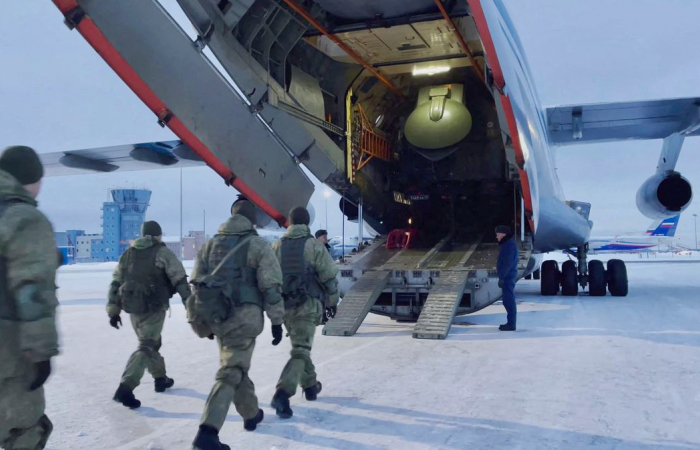
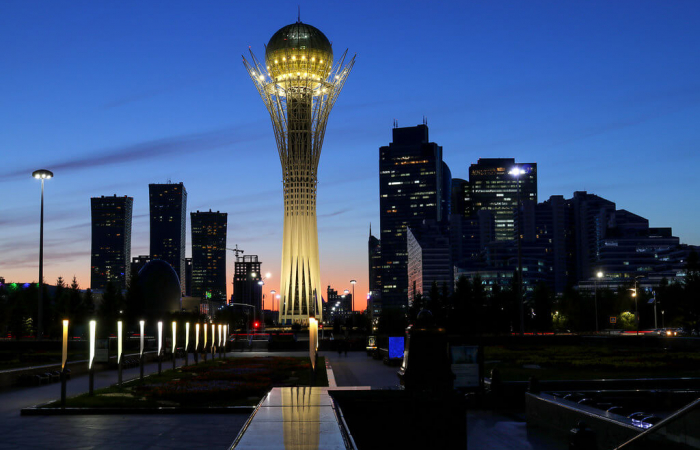
As an uneasy calm returns to Kazakhstan, it seems that once again, the only beneficiary from another crisis in the post-Soviet space has been Russian President Vladimir Putin, writes Maximiliaan van Lange in this op-ed for commonspace.eu. Putin’s decision to quickly deploy airborne troops as part of a "peacekeeping force" to support the Kazakh regime in controlling the turmoil surprised even some Russian commentators who have called it inappropriate. But by its actions, Moscow is sending a message that it will not tolerate turmoil in former Soviet states. With this step, Russia has considerably strengthened its position in Kazakhstan and nips in the bud the risk of a domino effect in Central Asia
Editor's choice
News
First meeting between Turkish and Armenian special envoys will be held in Moscow

First meeting between Turkish and Armenian special envoys will be held in Moscow

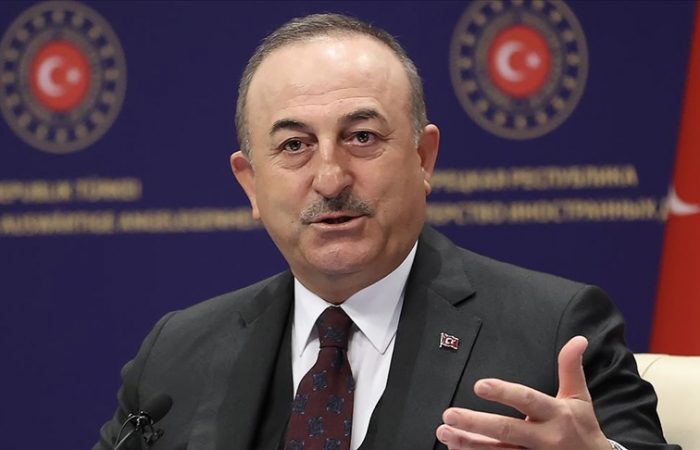
Turkey's Foreign Minister Mevlut Cavusoglu said on Monday (27 December) that the first meeting of Turkish and Armenian special envoys is expected to be held in Moscow to discuss the way forward in the normalization of relations between the two countries Speaking in a televised press conference, the top Turkish diplomat noted that the meeting's location was in accordance with Armenia's request.
Editor's choice
News
EU tells joint Armenian-Azerbaijani expert group that it stands ready to contribute for stabilisation and confidence-building measures in the South Caucasus.

EU tells joint Armenian-Azerbaijani expert group that it stands ready to contribute for stabilisation and confidence-building measures in the South Caucasus.

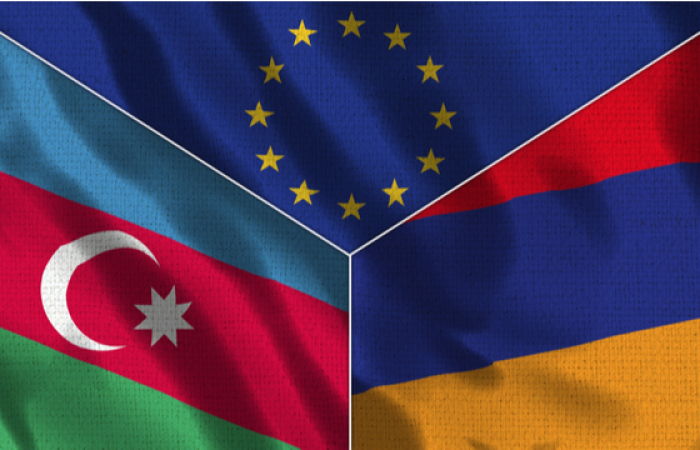
“The EU has a profound interest in the security, stability and prosperity of the South Caucasus region as an integral part of the EU Eastern Partnership”. This was stated by the Head of the Cabinet of the European Council president, Charles Michel, in a letter to the three co-rapporteurs of ‘the Joint Liaison Group on confidence building measures in support of lasting peace in the South Caucasus’
Editor's choice
News
Borrell: "Europe's security is under threat"

Borrell: "Europe's security is under threat"

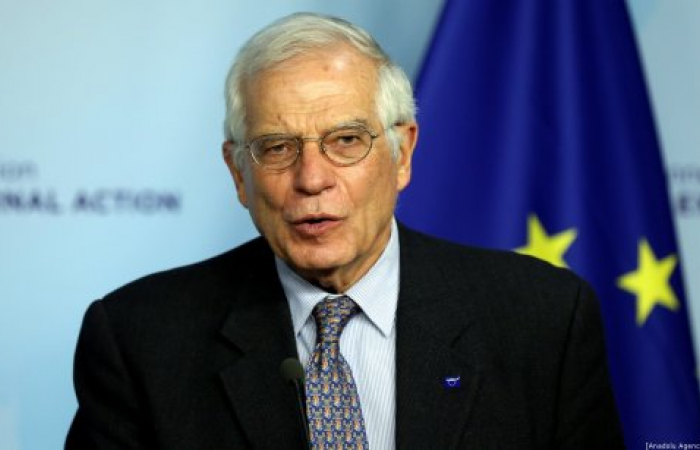
The EU High Representative for Foreign and Security Policy, Josep Borrell, in a statement on Wednesday (22 December), said Russia's actions in Eastern Europe and the Caucasus have created new threats and fears of invasion, and that Europe was today under threat. Borrell's statement was in response to Russia's recent attempts to re-define Europe's security architecture. On Wednesday, Borrell also discussed the situation with US Secretary of State, Antony Blinken.
Editor's choice
Opinion
Opinion: Armenian-Turkish relations are haunted by a spectre of failure

Opinion: Armenian-Turkish relations are haunted by a spectre of failure

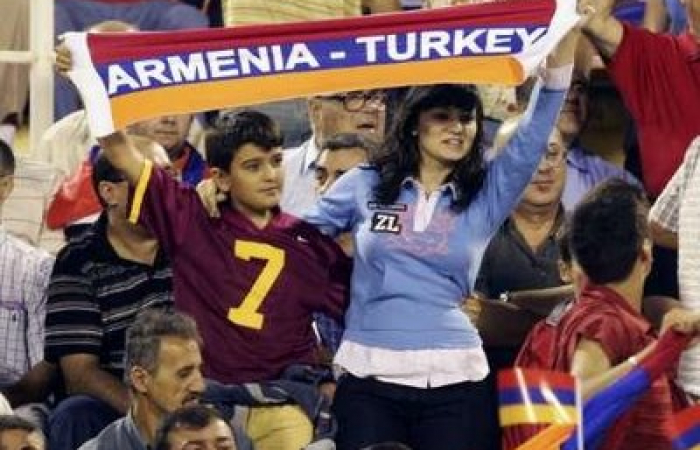
"Armenian-Turkish rapprochement attempts are welcome. Dialogue is better than everlasting antagonism. However, the realistic perception of the situation leads one to inevitably conclude that the process would be very difficult and  will need time", argues Alexander Petrosyan in this op-ed.