Theme

Connectivity

Stories related to telecommunications and transport links. 

Editor's choice
Opinion
Opinion: The European Union must recognise that the C5 have now become the C6

Opinion: The European Union must recognise that the C5 have now become the C6

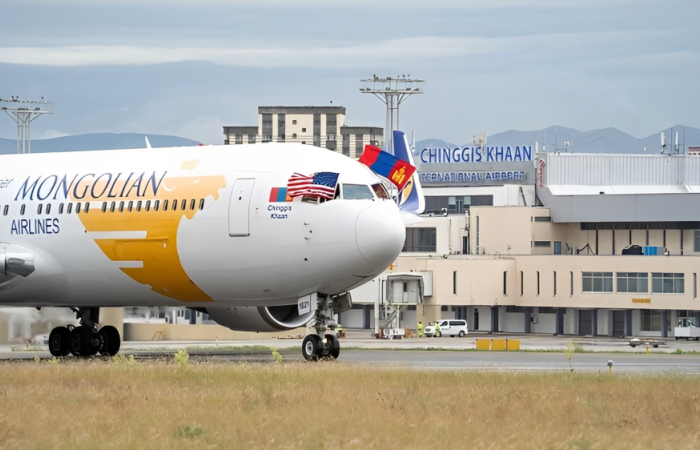
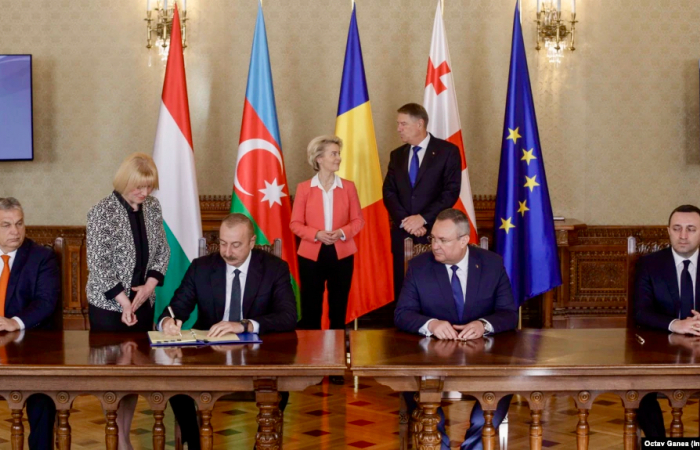
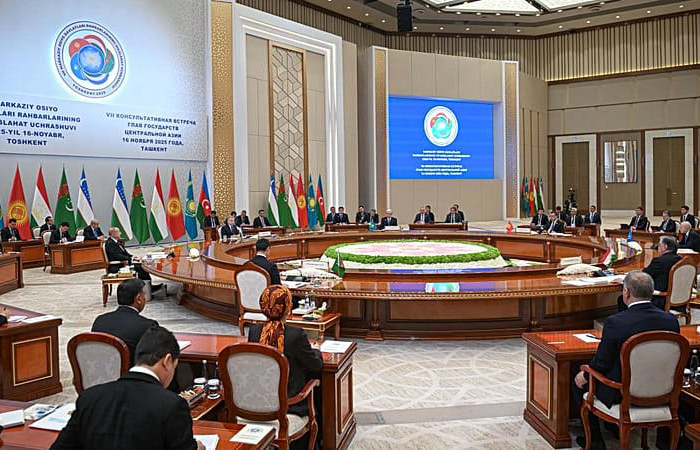
In recent years, Eurasia has undergone a structural transformation in how regions connect, trade, and cooperate. The combination of geopolitical shocks, disrupted supply chains, and the search for secure east–west routes has elevated the importance of the Trans-Caspian space. The states of Central Asia, once constrained by geography, have taken unprecedented steps to strengthen regional coordination, modernize infrastructure, and integrate more closely with Europe. Meanwhile, Azerbaijan has rapidly emerged as an indispensable connector linking Central Asia with the South Caucasus, Türkiye, and European markets. This new reality was formally acknowledged in November 2025 when Azerbaijan was unanimously welcomed as a full participant in the Consultative Meeting of Central Asian Heads of State in Tashkent. What had long been a C5 grouping transformed into a C6, marking a historic moment: the Caspian was no longer a frontier separating two regions but the center of a unified geopolitical and geo-economic space. President Ilham Aliyev described this alignment as the emergence of “a single geopolitical and geo-economic region,” while President Shavkat Mirziyoyev called Azerbaijan’s inclusion “historic” and proposed transforming the consultative platform into a structured regional institution capable of shaping security, economic, environmental, and digital policy. The Caspian is no longer a boundary; it is the heart of an integrated region. The transformation of the EU and U.S. C5+1 formats into C6+1 is the logical next step to ensure that both sides of the Caspian advance together – coherently, strategically, and with shared purpose. (click the image to read the full op-ed).
Editor's choice
Commentary
Central Asia on the march, but challenges ahead

Central Asia on the march, but challenges ahead

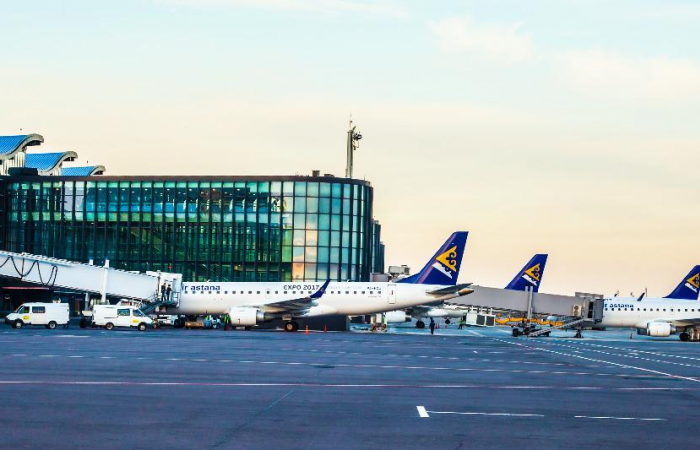
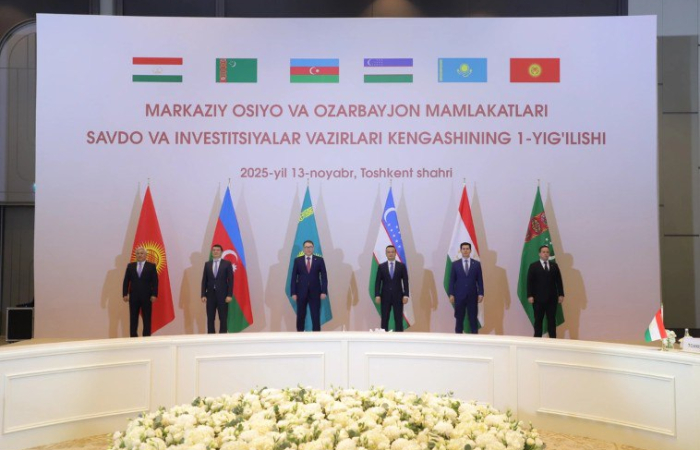
Central Asian leaders have been busy the last month, forging new ties in a changing geopolitical landscape. The presidents of Kazakhstan, Kyrgyzstan, Tajikistan, Turkmenistan, and Uzbekistan travelled to the White House to meet with U.S. President Donald Trump in the C5+1 format. The format, established in 2015, aims to deepen U.S. collaboration with Central Asia, emphasising security and economic cooperation. The U.S. is not the only power looking to maintain its influence in the region. The European Union, Russia, China, and increasingly, India, have all shown their interest in securing economic cooperation and inking energy and trade deals, recognising Central Asia’s strategic position as a key energy and transfer hub situated between East and West. Central Asian states are keenly aware of their leverage and have not only engaged in multi-lateral diplomacy with all of the aforementioned external actors but also adopted a pragmatic regional approach to increase cooperation amongst themselves and taken concrete steps to foster a more unified ‘Central Asian Community’. This was evident by last weekend’s Seventh Consultative Meeting of Heads of State, also known as the C5, where Central Asian leaders officially admitted Azerbaijan as a full member, effectively transforming it into the C6. However, although Central Asia has the unique opportunity to multilaterally engage with all of the world’s biggest economic and security powers, while continuing to shape regional politics and cooperation on its own terms, new security and economic issues are arising that may well reshape Central Asian states’ connections to external actors and potentially strain intra-regional relations. (Read the full commentary by clicking on the picture).

Filter archive

Publication date
Editor's choice
News
EU and Uzbekistan officials meet to discuss ties, promise to expand cooperation

EU and Uzbekistan officials meet to discuss ties, promise to expand cooperation

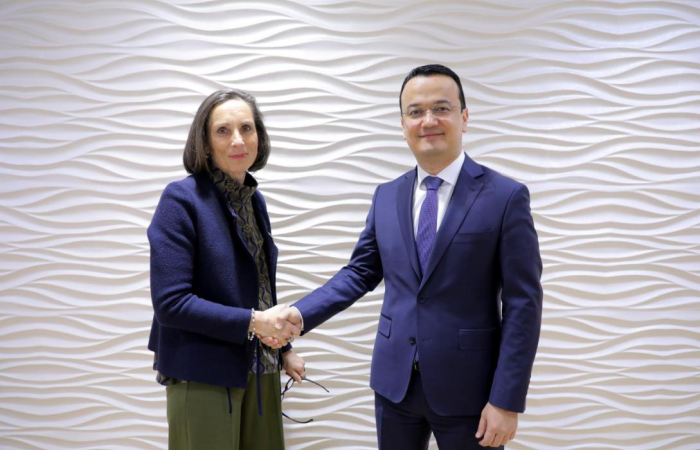
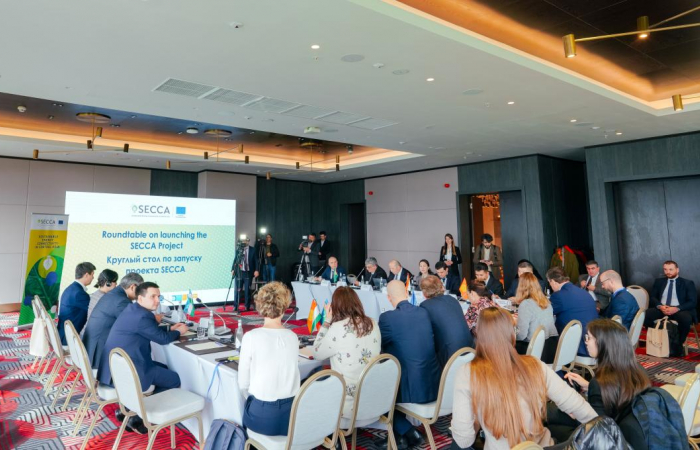
The Uzbek Minister of Investments, Industry and Trade Laziz Qudratov hosted the head of the delegation of the EU in Uzbekistan Charlotte Adriaen on Monday (30 January) to discuss ways to advance bilateral ties in trade, economic and investment spheres. The parties explored the opportunities for expanding the main areas of bilateral financial and technical cooperation, and discussed the EU's Multi-Annual Indicative Programme for Uzbekistan (MIP), the implementation of which has been allocated €76m for the period 2021-2024. Additional funds for the same time frame were also earmarked for Human Rights support (€3.6m), and Civil Society Organisation (€3.4m). The MIP 2021-2027 has three main priorities, namely effective governance and digital transformation; inclusive, digital and green growth, and the development of a smart eco-friendly agri-food sector.
Editor's choice
News
EU seeks new enhanced partnership agreement with Tajikistan as it pursues a more assertive role in Central Asia

EU seeks new enhanced partnership agreement with Tajikistan as it pursues a more assertive role in Central Asia

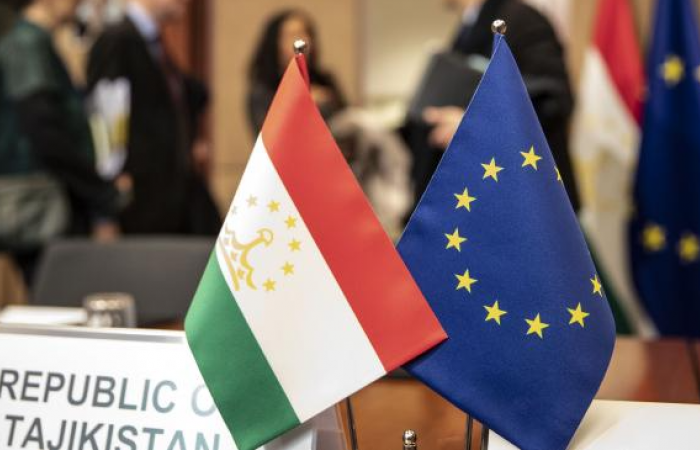
The Council of the European Union on 8 December adopted guidelines for the European Commission and the High Representative for Foreign Affairs and Security Policy to negotiate, on behalf of the EU and its member states, a new Enhanced Partnership and Cooperation Agreement (EPCA) with Tajikistan. Tajikistan is a landlocked country in Central Asia. It has an area of 143,100 km2 and an estimated population of 9,749,625 people. It is bordered by Afghanistan to the south, Uzbekistan to the west, Kyrgyzstan to the north, and China to the east. Like other Central Asian republics, Tajikistan is currently seeking to diversify its international relations, including by strengthening its relations with the European Union. A statement posted on the website of the Council of the European Union said that the EU is determined to deepen its relations with the Central Asian countries, even more so in the current geopolitical environment. The negotiation of an Enhanced Partnership and Cooperation Agreement with Tajikistan will be a significant step forward in this regard. It will provide a platform for improved political cooperation, trade and investment between the EU and Tajikistan, incentivising and supporting reforms. Progress in these negotiations will also depend on tangible improvements in Tajikistan’s human rights situation, including with regard to the freedom of expression, media and assembly.
Editor's choice
News
New undersea hydrogen pipeline between Spain and France to be ready 'by 2030'

New undersea hydrogen pipeline between Spain and France to be ready 'by 2030'

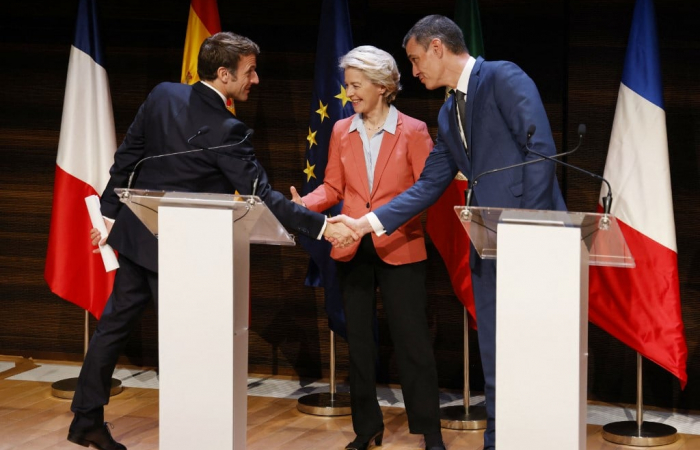
The leaders of France, Portugal and Spain announced on Friday (9 December) that the undersea pipeline between Barcelona and Marseille, expected to be completed by 2030, will transport exclusively hydrogen. Also present at the meeting in Alicante, European Commission President Ursula von der Leyen said the H2Med project "goes in the right direction" as it "has the potential to help us build a real European hydrogen backbone." "We will produce ten million tonnes of renewable hydrogen in the EU by 2030 and we plan to import in addition another 10 million tonnes. Hydrogen will have to reach our industry. This is why we also identified a series of strategic corridors including one crossing Europe from West to East, via the Iberian Peninsula." "This is why today I warmly welcome this agreement between France, Spain and Portugal", Von der Leyen said.