Region

South Caucasus

The South Caucasus – a region encompassing Armenia, Azerbaijan and Georgia - is one of strategic importance, not only for adjacent countries, such as Turkiye, Russia, Iran and the Central Asian states, but also for neighbours such as the European Union and the GCC states, and globally for the United States, India, China, Pakistan and Japan.

commonspace.eu team brings decades of experience of working in the South Caucasus and we are pleased to share our insights with our loyal readers through the website, and the sister newsletter, Caucasus Concise.
Filter archive

Publication date
Editor's choice
Editorial
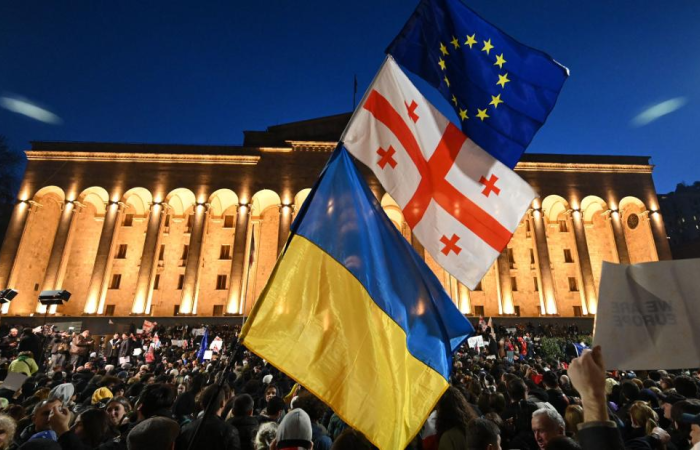
Editorial: the parallel struggles in Georgian politics

Editorial: the parallel struggles in Georgian politics

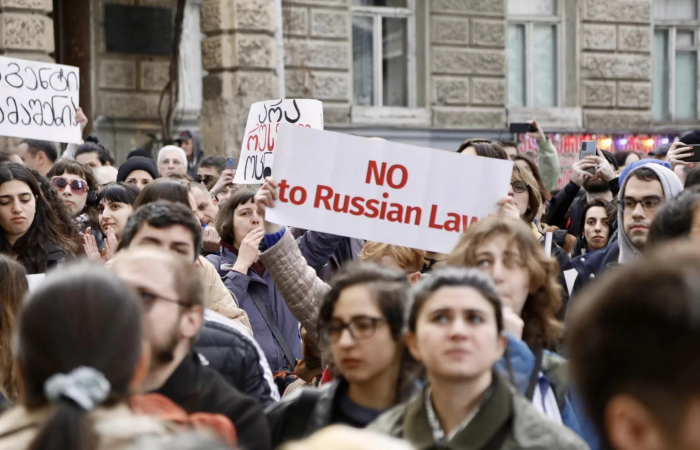
At the moment in Georgia, "on the one hand there is the struggle for power between elements of the government and elements of the opposition. There have been plenty of examples in the past of these elements being willing to sacrifice anything to hold on to this power," writes commonspace.eu in this editorial. "There is also however a parallel struggle, that is based on values and foreign policy orientation [...] The prospect is now emerging that the next political struggle will be about values. The quicker Georgian politicians understand this, the better. And for their own sake, as well as that of their country, they should make sure they position themselves on the right side of history."
Editor's choice
Opinion
Opinion: Armenian procrastination has high risks

Opinion: Armenian procrastination has high risks

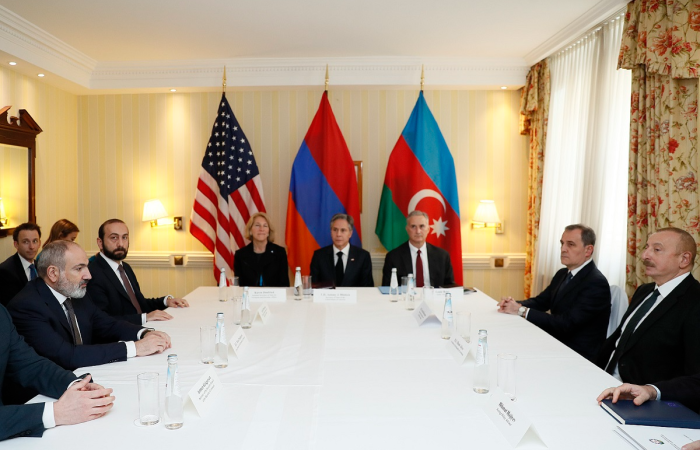
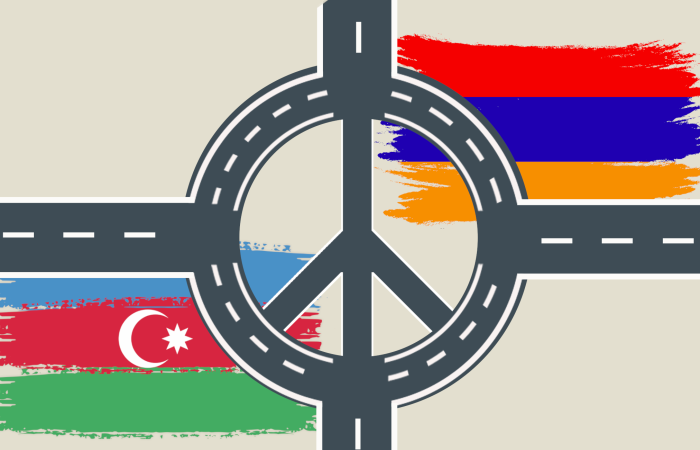
Reports from various sources say both Armenia and Azerbaijan are concentrating their troops along the border zone, in an apparent preparation for a potential escalation, writes Vasif Huseynov in this op-ed for commonspace.eu. Despite the optimism following last month's Munich meeting between the leaders of the two countries, the sides have not since taken any tangible step towards the resolution of their ongoing disputes. This despite the fact that recent history of the Armenia-Azerbaijan conflict is a testimony to the fact that an unstable status-quo, with imitations of negotiations, is a ticking bomb, he argues.
Editor's choice
News
UK Foreign Secretary visits Moldova and Georgia to pledge support against "Russian malign interference"

UK Foreign Secretary visits Moldova and Georgia to pledge support against "Russian malign interference"

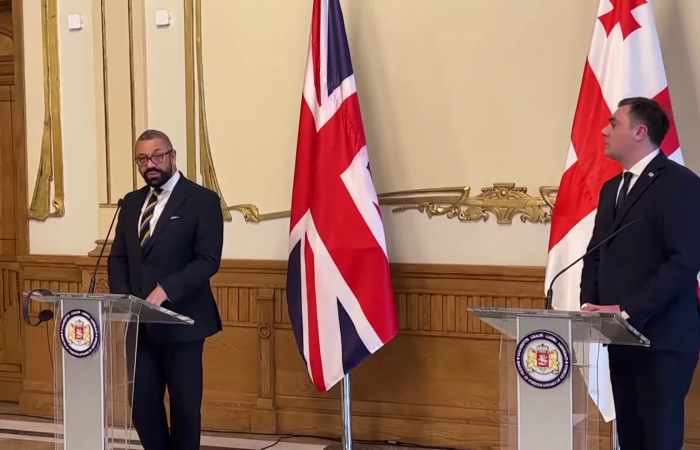
The UK Foreign Secretary James Cleverly is on a two-day visit to Moldova and Georgia to announce new funding to "boost regional resilience against Russian malign interference". In a press release from the Foreign, Commonwealth and Development Office issued on Thursday (16 March), the UK Government said they will "underline support for territorial integrity and sovereignty as part of work with Russia’s neighbours to deal with the threat on their doorstep.They added that funding will support governance reforms, fair elections, and anti-corruption programmes. First visiting the Moldovan capital of Chisinau on Thursday, Cleverly announced an extra £10 million (€11.4 million) to support economic and governance reforms in Moldova. This new pledge comes on top of £12 million already contributing to military reforms, and anti-corruption and transparency work in the country. Visiting the Georgian capital of Tbilisi one day later, on Friday (17 March), Cleverly announced a £500,000 package aimed at creating an environment for free and fair elections in 2024, protecting them from external interference.
Editor's choice
Editorial
Editorial: Russia is not interested in peace between Armenia and Azerbaijan, nor in the future of Karabakh and its people

Editorial: Russia is not interested in peace between Armenia and Azerbaijan, nor in the future of Karabakh and its people

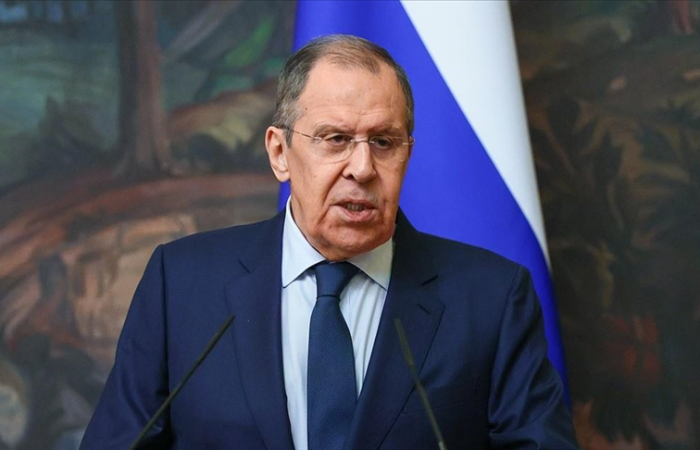
"It is not in the Kremlin’s interest for Armenia and Azerbaijan to normalise relations between them, for lasting peace in the South Caucasus and for the people of Nagorno-Karabakh to prosper in a safe and tolerant environment," writes commonspace.eu in this editorial. "Moscow does not want another big war in the region, but it does not want peace either. However it is now time for this vicious circle to be broken, and the next weeks will tell us if this is possible." They add that "in the end it is going to be up to Mr Ilham Aliyev and Mr Nikol Pashinyan to decide if the time has finally come to break the Russian hold and settle for peace. It is decision time, but doubts linger...There are those who are waiting for Moscow to actively support these efforts, or at least not hinder them. They wait in vain."
Editor's choice
Opinion
Opinion: A long term international presence in Nagorno Karabakh is needed

Opinion: A long term international presence in Nagorno Karabakh is needed

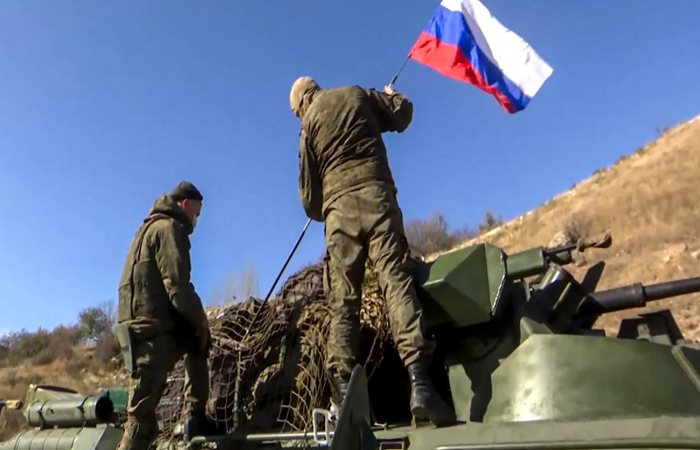
Nagorno Karabakh's future is the most challenging question that Armenia and Azerbaijan face as they seek to move towards the normalisation of relations between them. In this op-ed for commonspace.eu, Benyamin Poghosyan says that "there are different approaches how to deal with this issue. One approach argues for the inclusion of Nagorno Karabakh in the bilateral peace treaty, while according to another view, the Nagorno Karabakh issue should be separated from discussions on Armenia - Azerbaijan relations." This is creating a difficult situation on the ground. "For the time being, the only reliable way to prevent a new large-scale war in Nagorno Karabakh is a robust international presence in Nagorno Karabakh. It will provide relative security and stability in Nagorno Karabakh and contribute to the establishment of favorable conditions for Armenia – Azerbaijan negotiations", he argues.