Editor's choice
This is a members’ functionality. Please
Sign upMonday Commentary
Trending
Monday Commentary: Despite the bleakness of the current situation, the Gulf must prepare for tomorrow
13 April 2026
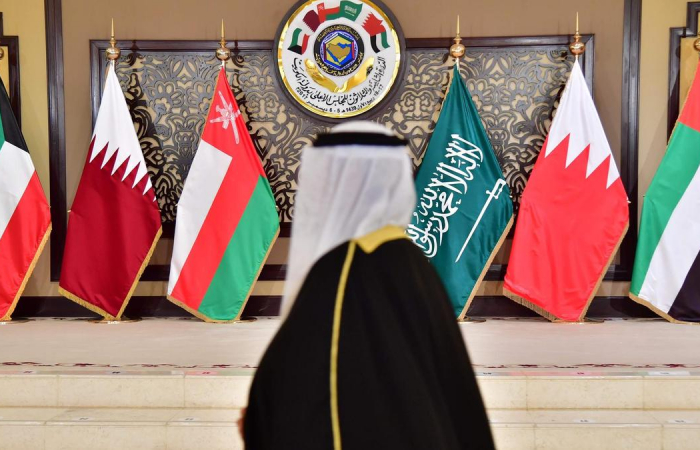
The six Gulf countries members of the Gulf Co-operation Council (GCC), namely Bahrain, Kuwait, Qatar, Oman, Saudi Arabia, and the United Arab Emirates (UAE), have been caught in the war waged by the United States and Israel against Iran since 28 February.
Ostensibly, because they host US military facilities, they were relentlessly attacked by Iran in the period before the two-week cease fire, announced a week ago. The Gulf countries have not retaliated, but they made strong requests to Iran to desist.
They were very supportive of the efforts to end the conflict, especially the talks hosted by Pakistan in Islamabad over the weekend. The 21 hours of talks were intense, but according to all accounts unsuccessful. But this was the first direct contact at a high political level between Iran and the US since the 1979 Iranian revolution, so their importance should not be underestimated either.
The opening of the Strait of Hormuz for unimpeded movement of shipping is a top priority. In resolving this issue the GCC countries must be involved directly.
For the six GCC countries the conflict in Iran is not only unwelcome. They tried to stop the war from starting. They face a serious problem, which is not yet existential, but may well change their way of life forever. But, despite the bleakness of the current situation, the Gulf must prepare for tomorrow.
Three areas are of importance: Defence and Security; Foreign Policy and National Cohesion. Developing a new security architecture for the Gulf is a long term, ten-year, project. It should not be rushed but neither should complacency be allowed. Thinking and discussion on these issues must start now.
This is a testing time for the six GCC countries,, but they have internal resilience, and enough financial cushion to weather the storm. And I am sure they also have the creativity and the will to reconstruct, and reconstruct better.
(click the picture to read the Commentary in full)