A new chapter in US relations with the South Caucasus
This briefing was prepared by the editorial team of commonspace.eu, and was first published on the electronic newsletter, CAUCASUS CONCISE, on 12 February 2026,
The visit of US Vice President, J.D. Vance, to the South Caucasus was a success and achieved all the main American immediate objectives.
And this time the main American partner is not Georgia, but Armenia and Azerbaijan.
This was not just a symbolic protocol visit, although there was a lot of that and the significance and symbolism would have come across clearly in both Moscow and Tehran. But there was also substance.
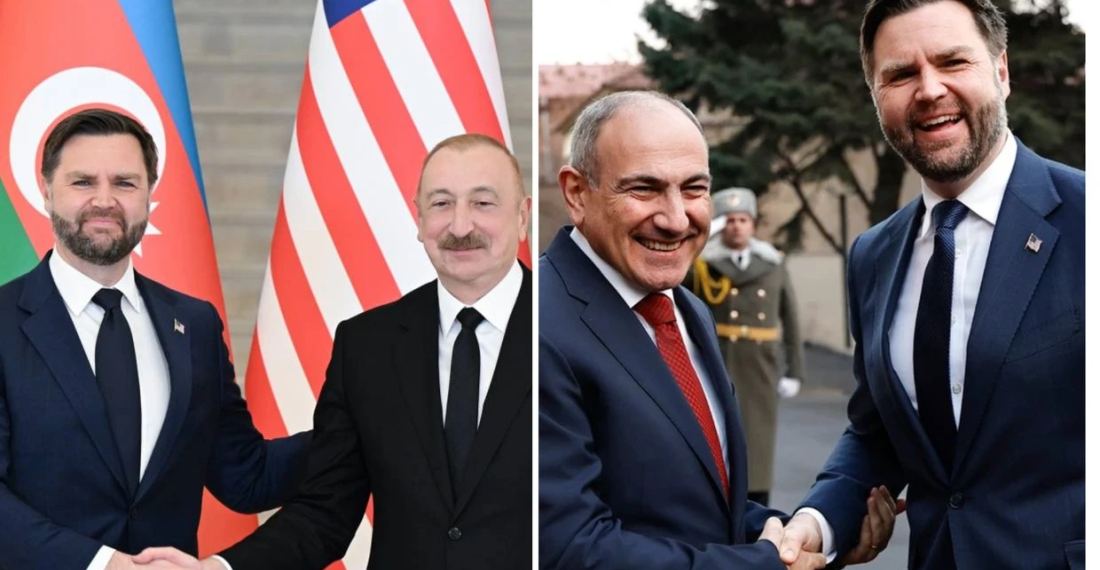
The US Vice President visited Armenia on Monday (9th February), and Azerbaijan on Tuesday (10th February).
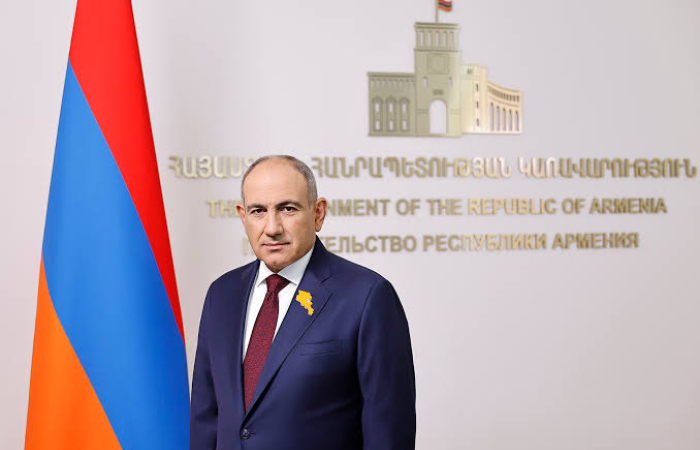
In Yerevan, the Vice President and Armenia’s Prime Minister Nikol Pashinyan signed a joint statement on the completion of negotiations on a 123 Agreement, which establishes a legally binding framework for peaceful nuclear cooperation between the U.S. and partner countries.
While in Azerbaijan, Vance and Azerbaijani President Ilham Aliyev signed a Strategic Partnership Charter between the U.S. and Azerbaijan that covers regional connectivity, economic investment, and security and defense issues.
The guests were happy, and the hosts were delighted.
Not so Russia. The Kremlin has always saw the South Caucasus as its backyard. Armenia had traditionally been compliant; Azerbaijan tried to present a balanced approach, and even Georgia, except for a fleeting moment in the second part of the Saakashvili’s government, never failed to understand Russian interests.
The warmth with which the US Vice President was received in Baku and Yerevan went beyond protocol niceties. It was genuine, and it would have worried the Kremlin. Neither Aliyev, nor Pashinyan, want a long messy problem with Russia. But they both basked in the warmth of the new found peace between them, that now is all but guaranteed by the United States.
The visit of J.D. Vance to Armenia and Azerbaijan left the Georgian government looking silly. No amount of verbal massaging could hide the disappointment of being left out. The Georgians had got used to the fact that they were at the centre of the South Caucasus, and nothing could happen in the region without them. They now need to adjust to the new reality. Further mistakes and miscalculations need to be avoided.
Where does that leave the EU?
The European Union appears to have lost the initiative in the South Caucasus. Whilst there is some soul-searching going on in Brussels, there is a failure to accept that there is lack of strategy. Decisions are often taken as a result of momentary reflexes, or priorities of individual member states. The present lull must be used to articulate a clearer strategy towards the region. The summit of the European Political Community, in Yerevan, on 4 May, offers the EU an excellent opportunity to relaunch its message in the region.
What next?
The visit of J.D. Vance to the South Caucasus opened a new chapter in American relations with the South Caucasus. Yet for this chapter to be meaningful and long-lasting, there is yet a lot of work to be done.
This briefing was prepared by the editorial team of commonspace.eu, and was first published on the electronic newsletter, CAUCASUS CONCISE, on 12 February 2026,