


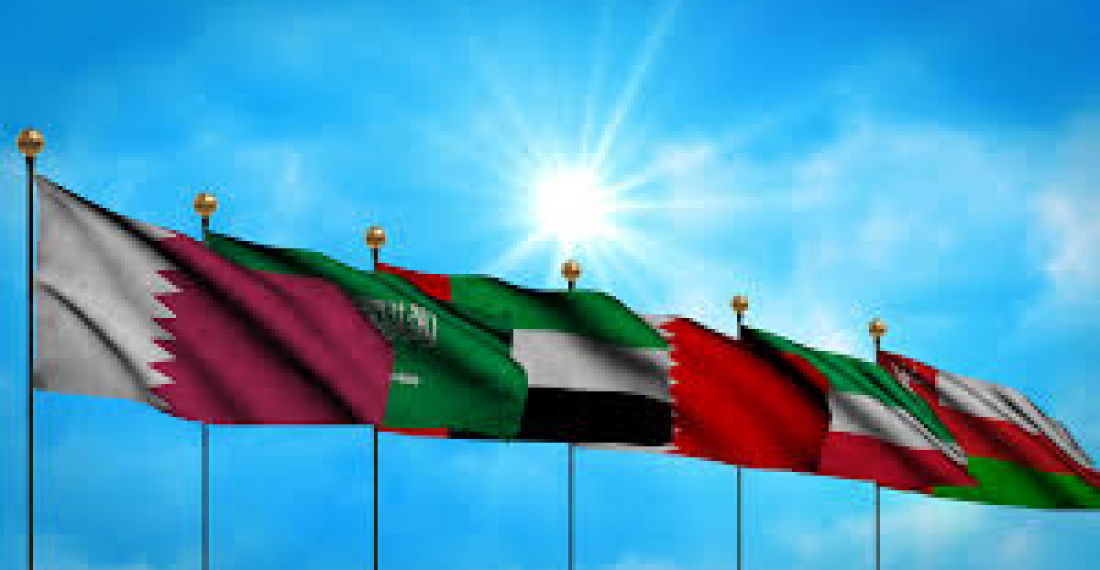
Ahead of a crucial summit of the leaders of the Gulf Co-operation Council (GCC), Saudi Arabia has been reflecting on its role in the regional structure which has been in crisis for the last few years.
Since the establishment of the GCC in 1981, the Kingdom had taken a balanced approach that supported every effort and every action that contributed to achieving common goals and aspirations, a Saudi government spokesman said in a statement published by the Saudi News Agency on Tuesday (22 December)
“As the elder sister to the GCC countries, the Kingdom has sought to overcome the various obstacles, disagreements, and developments facing the work process, whether in terms of viewpoints or on the ground” , the statement said
“The Saudi policy has ensured the protection of the unity of the GCC countries, support for member states to reach settlements and viable solutions to disputes between Gulf states, and the continuity of cooperation with Arab, Islamic, and international countries.”
The spokesman said Saudi Arabia’s “sole goal” was “to protect the unity of the GCC member states and reject disputes between them.”
The Saudi-Emirati Coordination Council had been established in 2016 as part of an agreement between Saudi Arabia and the UAE, the spokesman said.
“Under the directives of King Salman and UAE President Sheikh Khalifa bin Zayed Al-Nahyan, the agreement aimed to achieve a common vision focused on highlighting the status of the two countries in the fields of economy, human development, and political and military-security integration,” he said
Seven joint committees within the Saudi-Emirati integration system were working to implement a number of strategic and developmental initiatives and projects to achieve prosperity and security for the two peoples, the spokesman said.
He added: “Saudi Arabia, with its regional and international status, acknowledges its leading role in protecting the unity of all GCC member states.
“Through the unity of stances, Saudi Arabia’s aim is primarily to protect the security of the Arabian Gulf region from any attempts to undermine it, to preserve its gains and achievements, and to push forward the joint effort to achieve the lofty goals stipulated in the GCC Charter.”
The next summit of the leaders of the six GCC countries is expected to be held in Saudi Arabia in the first week of January 2021. Following intensive mediation efforts by Kuwait it is hoped that a rift within the GCC that saw Qatar being ostracised by three other members - Saudi Arabia, UAE and Bahrain) can be healed, allowing the GCC to resume its work.
source: commonspace.eu with agencies



