


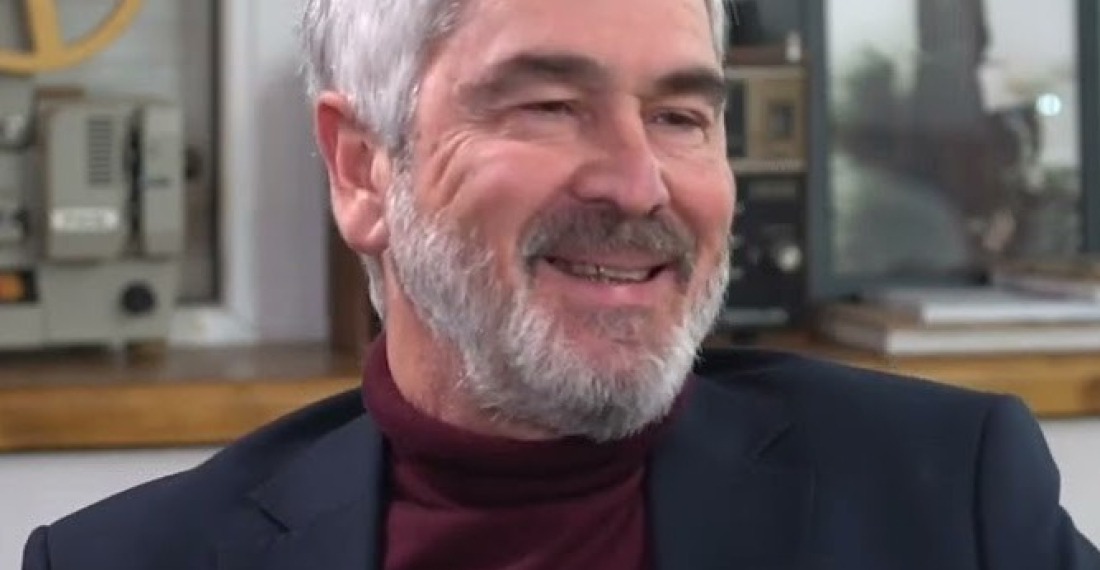
Abkhaz public figure Akhra Bzhania, a former member of the local parliament and the co-chair of the civic-political movement Akhyatsa, has called for a future dialogue between Abkhazia and Georgia, arguing that decades of hostility have failed to produce solutions and that both sides could benefit from improved relations.
In a recent commentary on Georgian-Abkhaz relations, Bzhania criticized what he described as persistent Georgian narratives portraying Abkhazia as politically dependent on Russia and lacking democratic institutions. He pointed to Abkhazia’s 2024 decision not to ratify a proposed investment agreement with Russia, saying the move demonstrated that the region does not automatically follow Moscow’s wishes.
At the same time, Bzhania argued that Georgia is in a weak position to criticize Abkhazia's political system. He claimed that democratic standards should be judged by actions rather than rhetoric, citing concerns about political freedoms and democratic backsliding in Georgia. He also referenced sanctions imposed by the United States and other countries on members of the ruling Georgian Dream party as evidence of growing international criticism.
A central theme of Bzhania’s remarks was the question of identity and historical memory. He said he was particularly frustrated by what he sees as attempts by some Georgian activists and commentators to deny the distinct identity of the Abkhaz people and their historical connection to the region. According to Bzhania, such attitudes undermine proposals for any future political arrangement between the two sides.
Despite these criticisms, he argued that continued confrontation serves neither society. While acknowledging that official negotiations between Tbilisi and Sukhumi currently appear unlikely, Bzhania suggested that both sides should consider the economic and political benefits that could come from greater engagement.
He proposed that Abkhazia’s leadership speak directly to the Georgian public, emphasizing the human cost of the conflict and calling for respect for Abkhazia’s political choices. Bzhania maintained that neither war nor years of isolation had changed Abkhazia’s determination to remain independent.
Looking ahead, he argued that abandoning political labels and focusing on practical cooperation could create opportunities in areas such as trade, transportation, energy, agriculture, and tourism. He concluded by urging both societies to consider whether they want to pass on hostility to future generations or work toward what he described as good-neighbourly relations that could benefit the wider Caucasus region.
Source: commonspace.eu with JAMnews



