Theme

Domestic Politics

Stories related to the internal politics of states and various domestic issues. 

Editor's choice
News
Germany accuses Russia of cyberattacks and disinformation campaign

Germany accuses Russia of cyberattacks and disinformation campaign

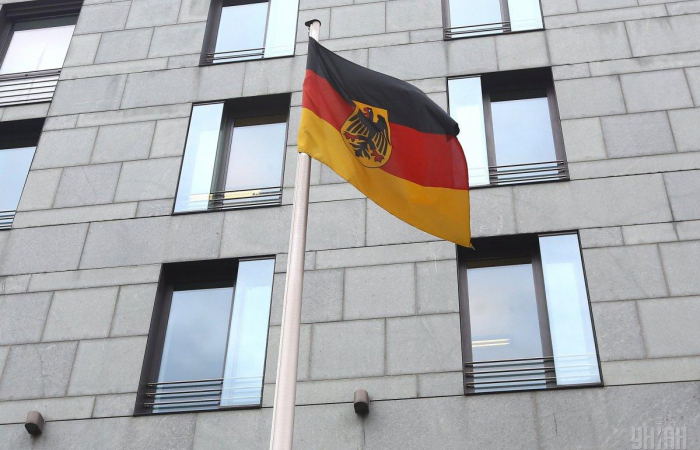
The German government holds Russia responsible for a cyberattack on German air traffic control, and for targeted disinformation campaigns before the last federal election. According to the German Foreign Office in Berlin, the incidents could be clearly attributed to the Russian military intelligence service, the GRU. In response, the Russian ambassador to Berlin was summoned to the Foreign Ministry. "We have been observing a massive increase in threatening hybrid activities by Russia for some time now," a spokesperson for the Foreign Ministry stated. These range from disinformation campaigns and espionage to cyberattacks and sabotage attempts. The aim is to divide society, sow distrust, and undermine confidence in democratic institutions. The spokesperson added that with these actions, Russia is "very concretely threatening our security, not only through its war of aggression against Ukraine, but also here in Germany."  The Foreign Ministry spokesperson explained that the cyberattack on air traffic control in August 2024 was clearly attributed to the hacker collective "APT28," known as "Fancy Bear," and to the responsibility of the Russian military intelligence service, the GRU. Furthermore, it could now be "conclusively stated" that Russia had attempted "to influence and destabilize both the last Federal election and the ongoing internal affairs of the Federal Republic of Germany." There was "absolutely irrefutable evidence" for this". The so-called "Storm 1516" campaign, which has been running since 2024, is allegedly backed by "reliable information" that the Moscow-based think tank "Center for Geopolitical Expertise" is behind it. The Center is also said to be supported by Russian military intelligence. Its primary aim is to influence democratic elections in the West. (Click the image to read more).
Filter archive

Publication date
Editor's choice
News
Tunisian president says change is on its way

Tunisian president says change is on its way

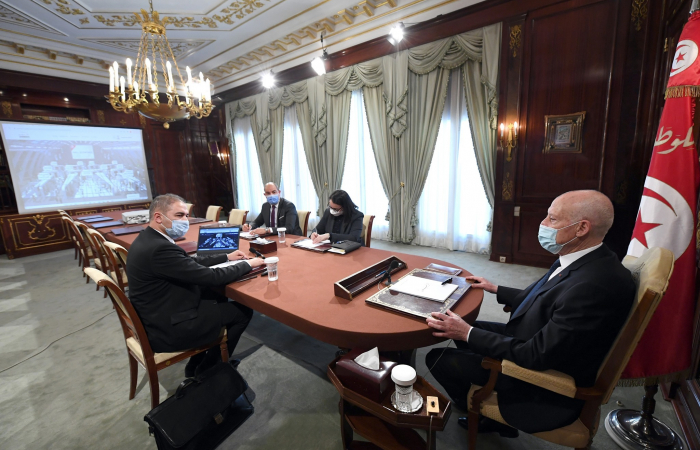
President Kais Saied said he is willing to oversee a national dialogue, with an active youth participation, to address a wide range of economic and political issues.  The initiative for the dialogue was brought forward by the influential Tunisian General Labour Union (UGTT). It has also been something that has been discussed and advocated by activists and civil society members.
Editor's choice
News
Eastern government recognises Libya's unity government

Eastern government recognises Libya's unity government

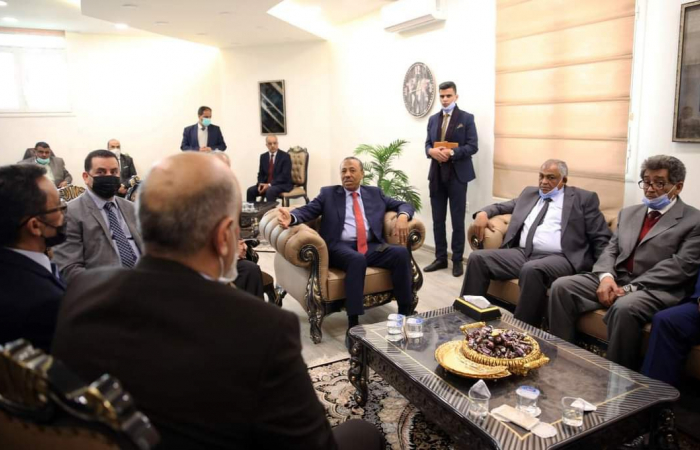
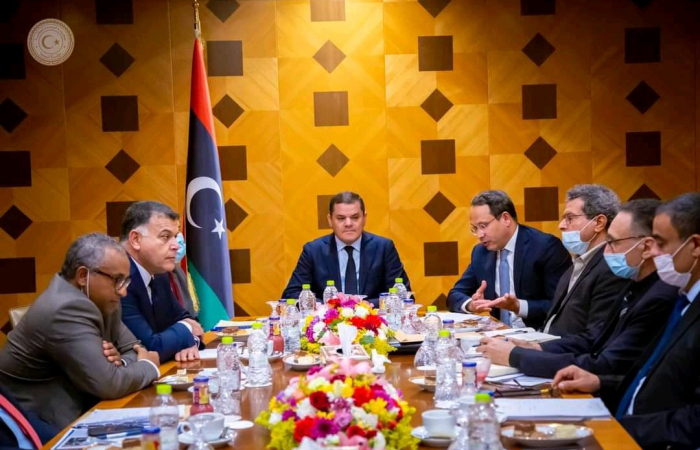
The eastern-based government of Libya officially recognised the new Government of National Unity (GNU). A delegation of the GNU, headed by Deputy Prime Minister Hussein Al-Gatrani, arrived in Benghazi, and received the office location from the now-former eastern government. The handover processes will occur on Wednesday and Thursday. 
Editor's choice
Opinion
Opinion: Snap parliamentary elections are unlikely to resolve Armenia’s political gridlock

Opinion: Snap parliamentary elections are unlikely to resolve Armenia’s political gridlock

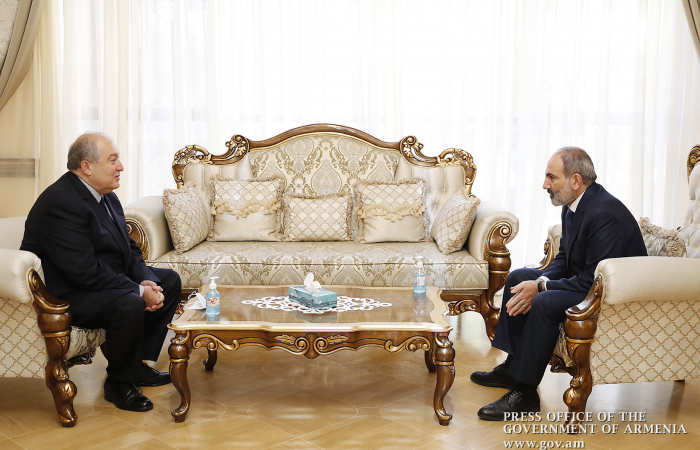
Armenia appears heading for snap parliamentary elections on 20 June, but hopes that the poll may resolve the current gridlock in the Armenian political arena may be premature. Benyamin Poghosyan argues in this op-ed that for Armenia things may get worse before they get better.
Editor's choice
News
EU-mediated talks in Georgia paused

EU-mediated talks in Georgia paused

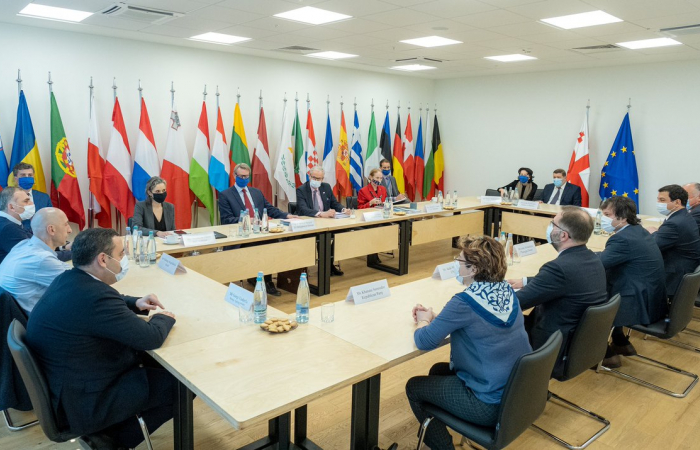
The EU facilitated talks between Georgian political parties were paused on Friday after a 10 hour meeting mediated by Christian Danielsson, the special envoy of the president of the European Council, ended in the early hours of the morning without agreement.
Editor's choice
News
Libyan unity government sworn in

Libyan unity government sworn in

Libya’s first unity government in seven years was sworn in before the parliament in Tobruk on Monday – a step that received positive appraisal from regional and international parties alike. More than 100 parliamentarians and several Arab and foreign ambassadors attended the ceremony. Earlier on the same day, Dbeibah and his cabinet took the oath of office before the High Court in the capital Tripoli before heading to Tobruk. The government will officially start its duties as of today.