Theme

Domestic Politics

Stories related to the internal politics of states and various domestic issues. 

Editor's choice
News
Germany accuses Russia of cyberattacks and disinformation campaign

Germany accuses Russia of cyberattacks and disinformation campaign

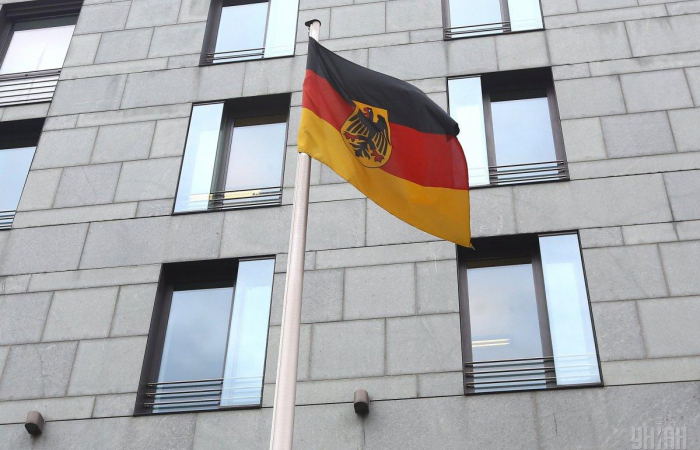
The German government holds Russia responsible for a cyberattack on German air traffic control, and for targeted disinformation campaigns before the last federal election. According to the German Foreign Office in Berlin, the incidents could be clearly attributed to the Russian military intelligence service, the GRU. In response, the Russian ambassador to Berlin was summoned to the Foreign Ministry. "We have been observing a massive increase in threatening hybrid activities by Russia for some time now," a spokesperson for the Foreign Ministry stated. These range from disinformation campaigns and espionage to cyberattacks and sabotage attempts. The aim is to divide society, sow distrust, and undermine confidence in democratic institutions. The spokesperson added that with these actions, Russia is "very concretely threatening our security, not only through its war of aggression against Ukraine, but also here in Germany."  The Foreign Ministry spokesperson explained that the cyberattack on air traffic control in August 2024 was clearly attributed to the hacker collective "APT28," known as "Fancy Bear," and to the responsibility of the Russian military intelligence service, the GRU. Furthermore, it could now be "conclusively stated" that Russia had attempted "to influence and destabilize both the last Federal election and the ongoing internal affairs of the Federal Republic of Germany." There was "absolutely irrefutable evidence" for this". The so-called "Storm 1516" campaign, which has been running since 2024, is allegedly backed by "reliable information" that the Moscow-based think tank "Center for Geopolitical Expertise" is behind it. The Center is also said to be supported by Russian military intelligence. Its primary aim is to influence democratic elections in the West. (Click the image to read more).
Filter archive

Publication date
Editor's choice
News
Chad faces further turmoil

Chad faces further turmoil

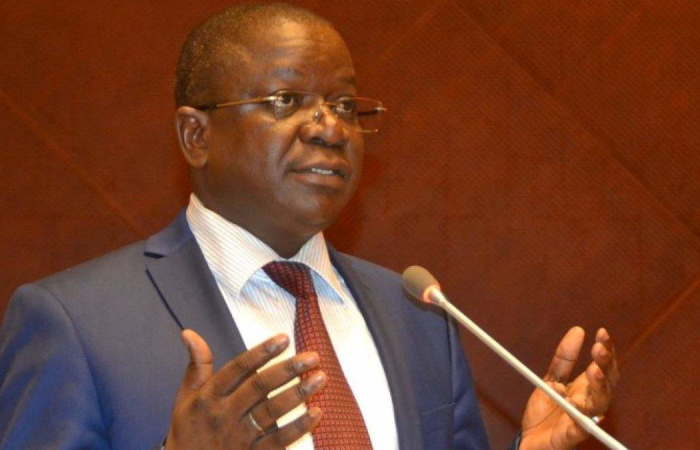
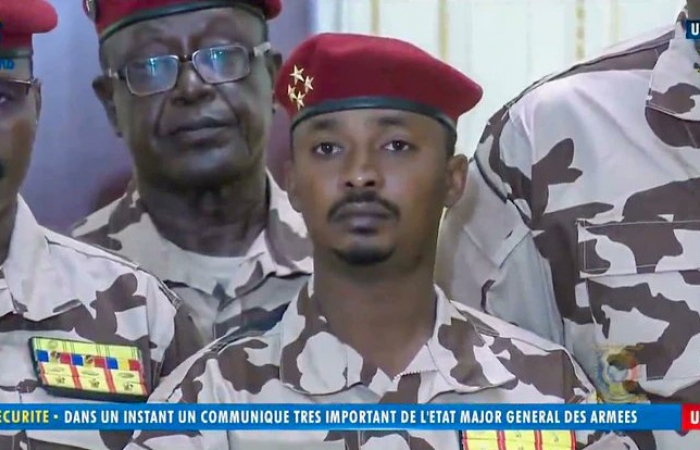
Chad's new military transitional government rejected any negotiations with the rebels who are held responsible for killing the country's former president, Idris Deby, last week.  “Faced with this situation that endangers Chad and the stability of the entire sub-region, this is not the time for mediation or negotiation with outlaws,” a Chadian government official insisted 
Editor's choice
News
No sign of progress in Tunisia's political crisis

No sign of progress in Tunisia's political crisis

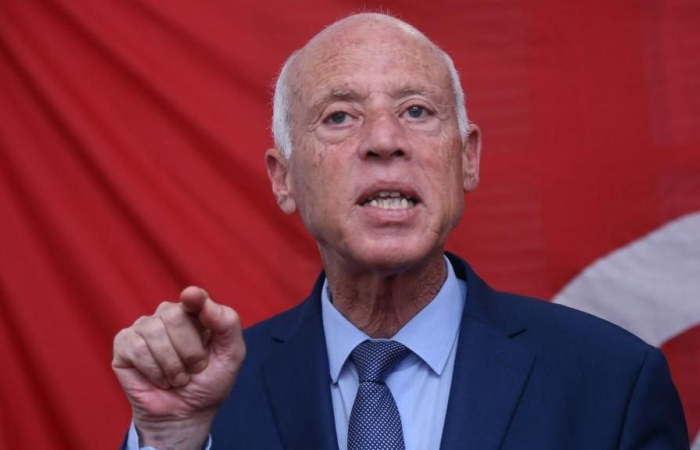
Tunisian politics are in stalemate following the president's continued refusal to formalise a ministerial reshuffle in the cabinet of the prime minister, Hichem Mechichi. According to the Ennahda movement, Tunisia’s President Kais Saied refused a proposal for a roundtable talk with Ennahda leader and the speaker of the parliament, Rashid Ghannouchi, and Prime Minister Hichem Mechichi. 
Editor's choice
News
Crisis in Chad following death of President Idriss Déby

Crisis in Chad following death of President Idriss Déby

The situation in Chad remains tense following the shock announcement of the death of President Idriss Déby on Tuesday (20 April). He was reported killed while fighting against rebels who have been on the move since in the last days. Déby was a close ally for France and had ruled the country for around 30 years. Déby was heading for his sixth term as president after leading in the presidential elections held earlier this month. 
Editor's choice
News
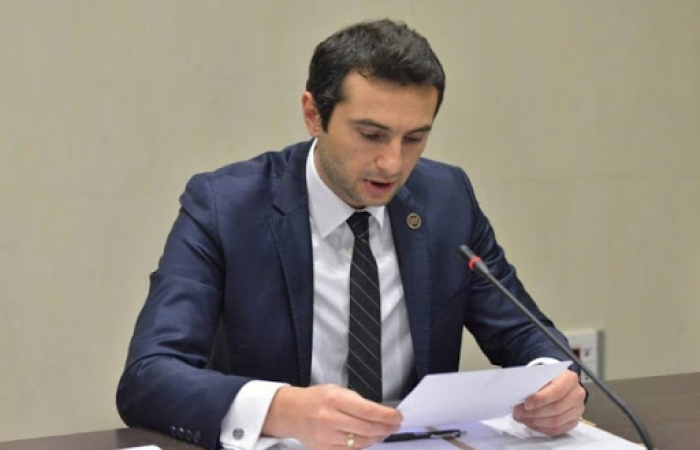
Michel in Tbilisi after Georgian government and majority of opposition parties sign EU-brokered deal to end political crisis

Michel in Tbilisi after Georgian government and majority of opposition parties sign EU-brokered deal to end political crisis

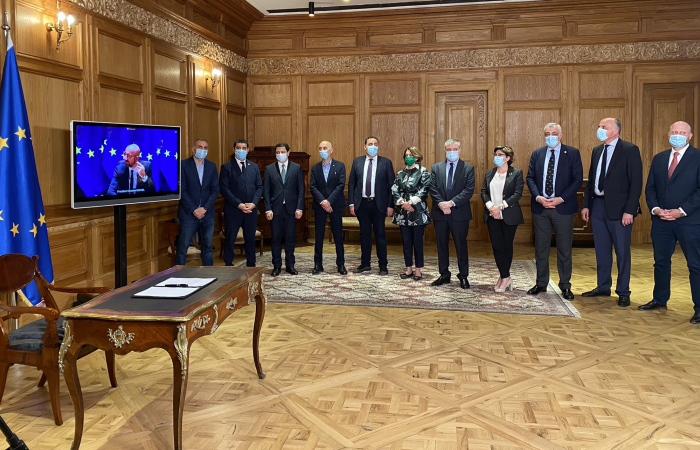
Georgia’s government and the majority of its opposition parties have signed an EU-brokered agreement to end the political crisis that has been ongoing since the country’s October-November parliamentary elections last year. The President of the European Council, Charles Michel, was in Tbilisi to meet with the leaders and parties that signed his proposal.