Theme

Domestic Politics

Stories related to the internal politics of states and various domestic issues. 

Editor's choice
News
Germany accuses Russia of cyberattacks and disinformation campaign

Germany accuses Russia of cyberattacks and disinformation campaign

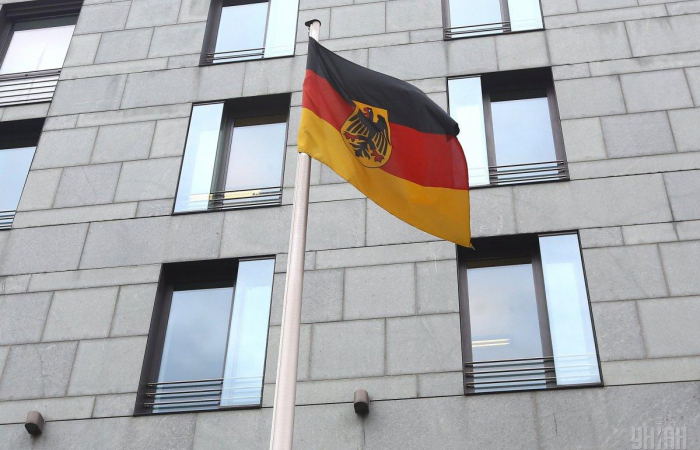
The German government holds Russia responsible for a cyberattack on German air traffic control, and for targeted disinformation campaigns before the last federal election. According to the German Foreign Office in Berlin, the incidents could be clearly attributed to the Russian military intelligence service, the GRU. In response, the Russian ambassador to Berlin was summoned to the Foreign Ministry. "We have been observing a massive increase in threatening hybrid activities by Russia for some time now," a spokesperson for the Foreign Ministry stated. These range from disinformation campaigns and espionage to cyberattacks and sabotage attempts. The aim is to divide society, sow distrust, and undermine confidence in democratic institutions. The spokesperson added that with these actions, Russia is "very concretely threatening our security, not only through its war of aggression against Ukraine, but also here in Germany."  The Foreign Ministry spokesperson explained that the cyberattack on air traffic control in August 2024 was clearly attributed to the hacker collective "APT28," known as "Fancy Bear," and to the responsibility of the Russian military intelligence service, the GRU. Furthermore, it could now be "conclusively stated" that Russia had attempted "to influence and destabilize both the last Federal election and the ongoing internal affairs of the Federal Republic of Germany." There was "absolutely irrefutable evidence" for this". The so-called "Storm 1516" campaign, which has been running since 2024, is allegedly backed by "reliable information" that the Moscow-based think tank "Center for Geopolitical Expertise" is behind it. The Center is also said to be supported by Russian military intelligence. Its primary aim is to influence democratic elections in the West. (Click the image to read more).
Filter archive

Publication date
Editor's choice
News
The Taliban settle in

The Taliban settle in

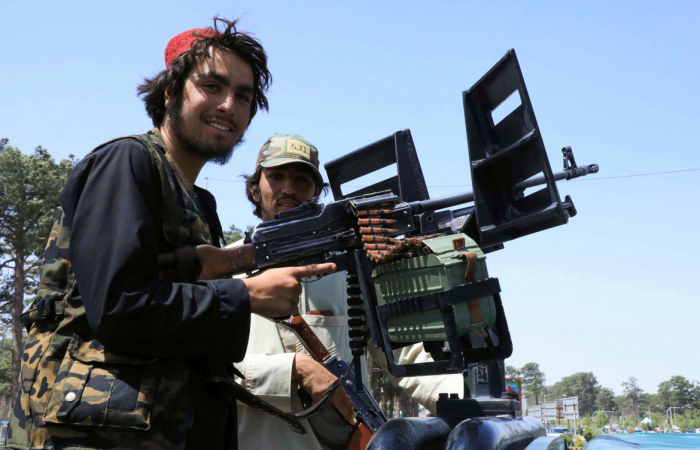
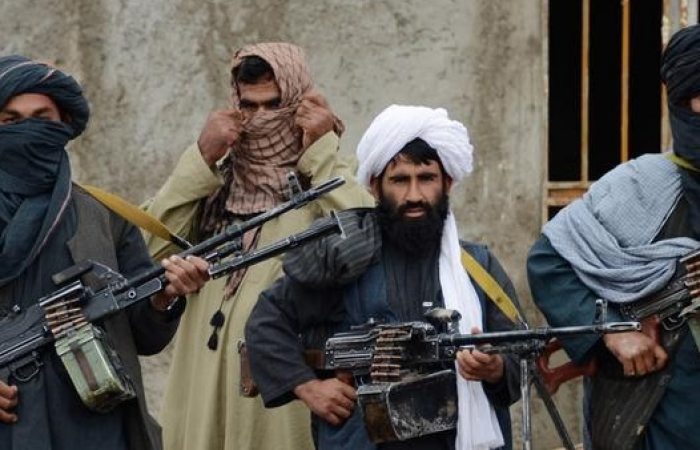
Whilst Taliban fighters made themselves at home at the presidential office in Kabul, and in other government offices across the capital, the leadership of the Taliban appears to be still concentrated in the city of Kandahar, in the South of the country, the power base of this mainly Pashtun movement. It was to there that the Taliban’s co-founder and political leader, Mullah Abdul Ghani Baradar, flew to from Doha on Tuesday as the militants pledged peaceful relations with other countries and respect for the rights of women.
Editor's choice
Analysis
Analysis: When hunting down civil society, don’t shoot yourself in the foot

Analysis: When hunting down civil society, don’t shoot yourself in the foot

In recent weeks, Alexander Lukashenko’s regime in Belarus has ordered the mass closure of NGOs, calling them “bandits and foreign agents”. One year to the day since the disputed 9 August 2020 presidential elections, for commonspace.eu, Maryia Ditchkowska looks at some of the organisations targeted, why it is unlikely to seriously impact support for the pro-democractic movement, and what has prompted this particular crackdown.
Editor's choice
News
EU to hold a meeting of Home Affairs to discuss migration issue at the Lithuanian-Belarus border

EU to hold a meeting of Home Affairs to discuss migration issue at the Lithuanian-Belarus border

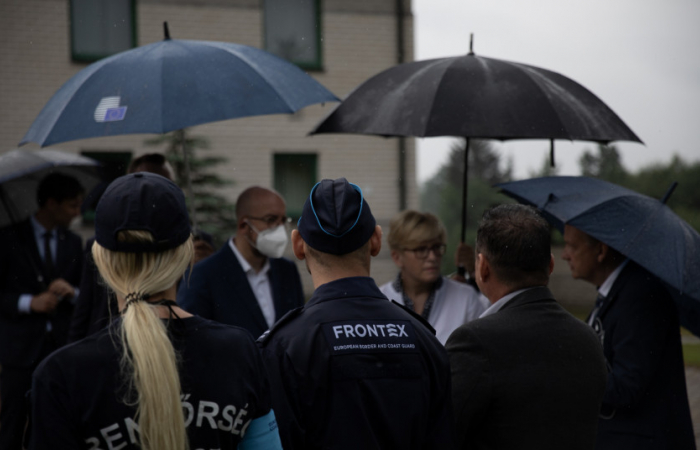
In July, Lithuania declared a state of emergency due to the sudden increased influx of migrants from Belarus. According to Lithuanian politicians, the number of flights between Belarus and Afghanistan has increased as part of a strategy to push more migrants towards Lithuania.
Editor's choice
News
Uncertainty around the negotiations with Iran on nuclear deal as new president prepares to take over in Tehran

Uncertainty around the negotiations with Iran on nuclear deal as new president prepares to take over in Tehran

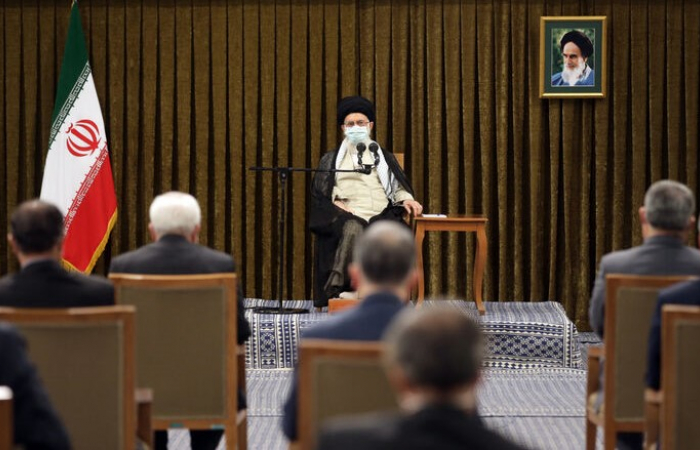
Several challenges sour the path of nuclear negotiations between Iran and the JCPOA countries. The last round of talks in Vienna concluded on 20 June with all draft deals rejected. Chief US negotiator Robert Maley said that "there is a real risk that they [Iran] are making unrealistic demands about what they can achieve in these talks."