Theme

Defence

Stories related to defence, strategy and cooperation. 

Editor's choice
News
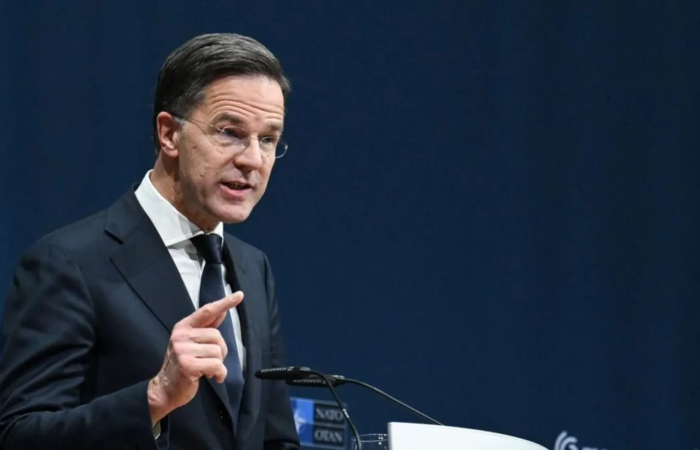
NATO Chief says war is on Europe's doorstep, and warns against complacency

NATO Chief says war is on Europe's doorstep, and warns against complacency

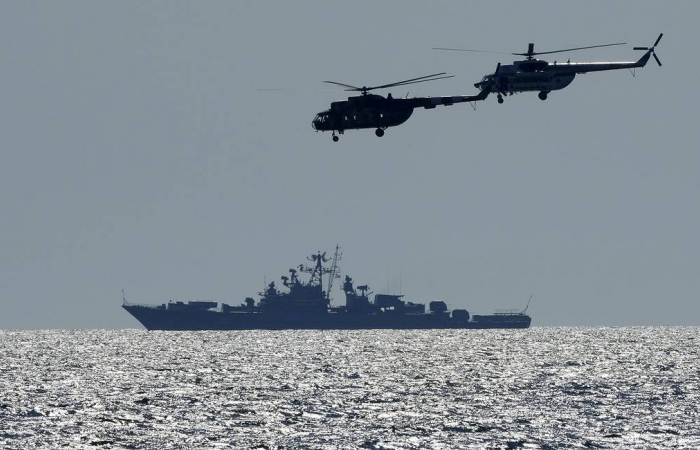
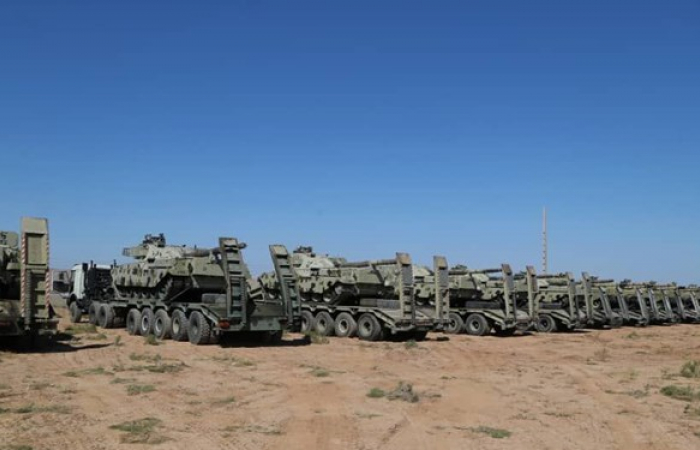
Russia could attack a NATO country within the next five years, the Secretary General of NATO, Mark Rutte, said in a stark new warning. "NATO's own defences can hold for now," Rutte warned in Berlin, but conflict was "next door" to Europe, and he feared "too many are quietly complacent, and too many don't feel the urgency, too many believe that time is on our side. "Russia is already escalating its covert campaign against our societies," Rutte said in a speech in Germany. "We must be prepared for the scale of war our grandparents or great-grandparents endured." Earlier this month, Russia's President Vladimir Putin said his country was not planning to go to war with Europe, but it was ready "right now" if Europe wanted to - or started a war. But similar reassurances were given by Moscow in 2022, just before 200,000 Russian troops crossed the border and invaded Ukraine. Putin has accused European countries of hindering US efforts to bring peace in Ukraine - a reference to the role Ukraine's European allies have recently played in trying to change a US peace plan to end the war, whose initial draft was seen as favouring Russia. But Putin was not sincere, Nato's secretary-general said in the German capital, Berlin. Supporting Ukraine, he added, was a guarantee for European security. "Just imagine if Putin got his way; Ukraine under the boot of Russian occupation, his forces pressing against a longer border with Nato, and the significantly increased risk of an armed attack against us." Russia's economy has been on a war footing for more than three years now - its factories churn out ever more supplies of drones, missiles and artillery shells. According to a recent report by the Kiel Institute for the World Economy, Russia has been producing each month around 150 tanks, 550 infantry fighting vehicles, 120 Lancet drones and more than 50 artillery pieces. The UK, and most of its Western allies, are simply not anywhere near this point. Analysts say it would take years for Western Europe's factories to come close to matching Russia's mass-production of weapons. "Allied defence spending and production must rise rapidly, our armed forces must have what they need to keep us safe," the Nato chief said.
Editor's choice
Analysis
Mehman Aliyev on what "peace" can look like for Ukraine

Mehman Aliyev on what "peace" can look like for Ukraine

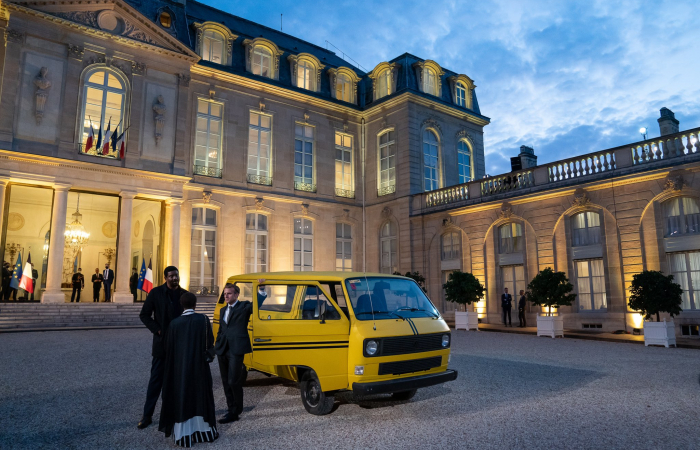
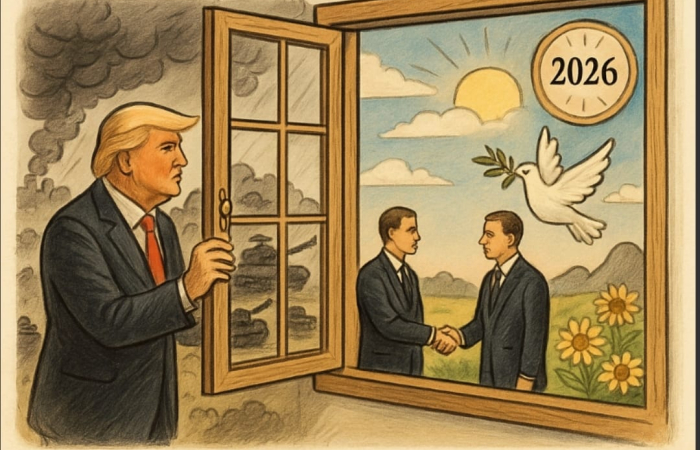
In this analysis,  veteran Azerbaijani journalist and political commentator, Mehman Aliyev, draws lessons from the 1994 Armenia-Azerbaijan ceasefire, to assess what can be possible impact of ceasefire in Ukraine. According to diplomats, a negotiating format or a partial ceasefire based on a modified version of the twenty-eight points is entirely plausible in 2026. A frozen line of contact, monitored by international mechanisms while talks drag on, is more likely than a fully implemented peace treaty by early that same year. “This document opens a window,” said political commentator Farid Gakhramanov. “Whether it means the end of the war or the beginning of a new frozen conflict will depend on the decisions of Moscow, Kyiv, Washington, and Brussels — not on the document itself.” (You can read the full analysis by clicking the image)

Filter archive

Publication date
Editor's choice
Opinion
Opinion: In the South Caucasus, Tehran has its red lines too

Opinion: In the South Caucasus, Tehran has its red lines too

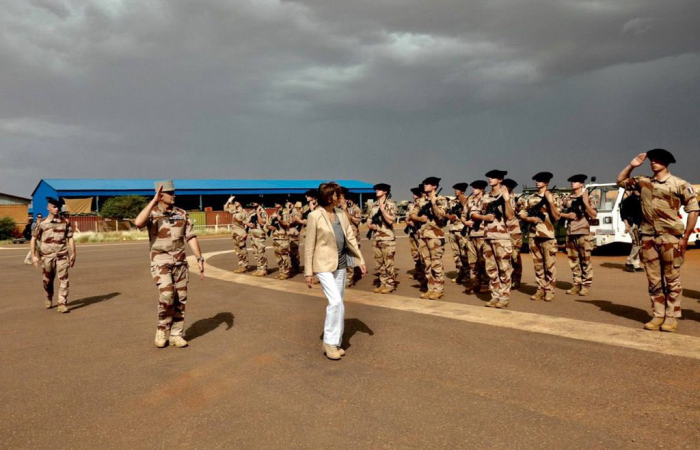
For 30 years, Iran has adopted a cautious approach to developments in the South Caucasus, wary of the risk of encirclement. Iran's current massive military drills on the border with Azerbaijan are meant to send a signal that Tehran has its red lines too, argues Benyamin Poghosyan in this op-ed for commonspace.eu
Editor's choice
News
Greece buys three frigates from France for 3 billion euro

Greece buys three frigates from France for 3 billion euro

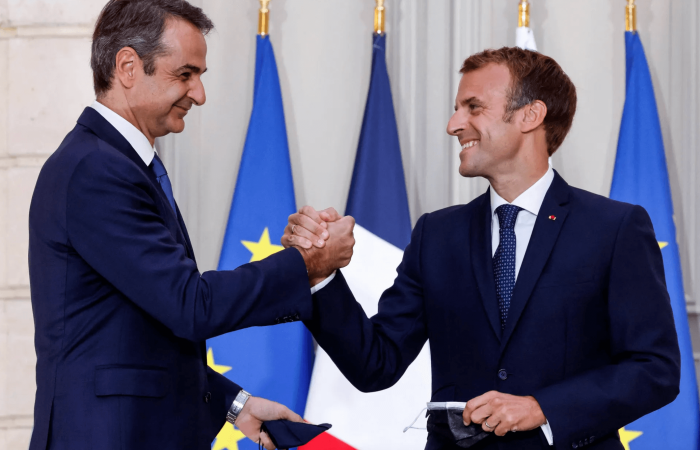
The deal, signed by Greek prime minister Mitsotakis and French president Macron, is partly intended to promote European military cooperation. France in particular is pushing for more cooperation at the European level to improve Europe's position vis-à-vis the United States and China. According to Macron, the agreement contributes, among other things, to European peace and security, Mitsotakis said the deal would connect the two countries "for decades to come".
Editor's choice
Opinion
Opinion: For the EU strategic autonomy is as yet only an aspiration, but one worth pursuing

Opinion: For the EU strategic autonomy is as yet only an aspiration, but one worth pursuing

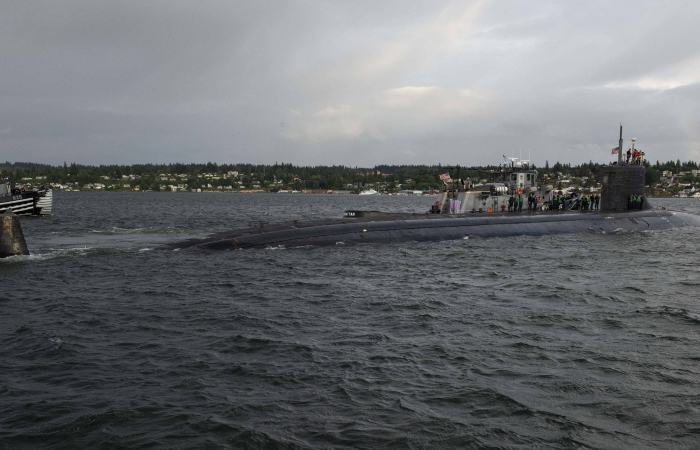
The establishment of AUKUS, and subsequent submarine dispute, has exposed once more the EU's strategic vulnerability. At present the EU has no common foreign policy and no European armed forces capability, and strategic autonomy remains an illusion. But it is not a wrong goal to pursue, argues Maximiliaan van Lange in this op-ed.