Region

Russia

Stories under this heading cover Russia, as well as countries in the eastern part of the European continent, such as Belarus, Ukraine, and Moldova.

Editor's choice
News
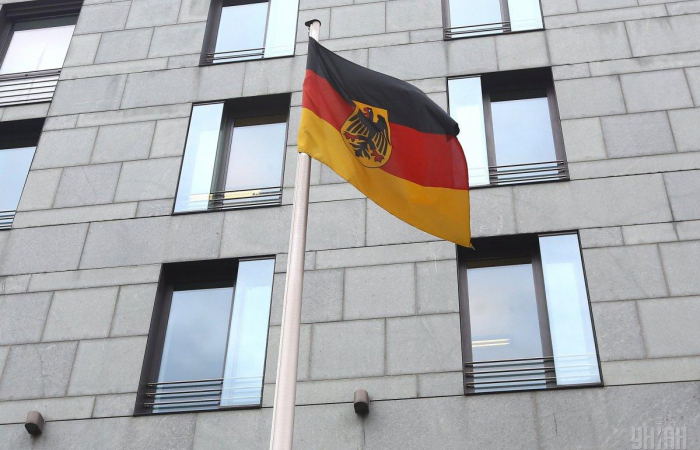
Germany accuses Russia of cyberattacks and disinformation campaign

Germany accuses Russia of cyberattacks and disinformation campaign

The German government holds Russia responsible for a cyberattack on German air traffic control, and for targeted disinformation campaigns before the last federal election. According to the German Foreign Office in Berlin, the incidents could be clearly attributed to the Russian military intelligence service, the GRU. In response, the Russian ambassador to Berlin was summoned to the Foreign Ministry. "We have been observing a massive increase in threatening hybrid activities by Russia for some time now," a spokesperson for the Foreign Ministry stated. These range from disinformation campaigns and espionage to cyberattacks and sabotage attempts. The aim is to divide society, sow distrust, and undermine confidence in democratic institutions. The spokesperson added that with these actions, Russia is "very concretely threatening our security, not only through its war of aggression against Ukraine, but also here in Germany."  The Foreign Ministry spokesperson explained that the cyberattack on air traffic control in August 2024 was clearly attributed to the hacker collective "APT28," known as "Fancy Bear," and to the responsibility of the Russian military intelligence service, the GRU. Furthermore, it could now be "conclusively stated" that Russia had attempted "to influence and destabilize both the last Federal election and the ongoing internal affairs of the Federal Republic of Germany." There was "absolutely irrefutable evidence" for this". The so-called "Storm 1516" campaign, which has been running since 2024, is allegedly backed by "reliable information" that the Moscow-based think tank "Center for Geopolitical Expertise" is behind it. The Center is also said to be supported by Russian military intelligence. Its primary aim is to influence democratic elections in the West. (Click the image to read more).
Editor's choice
News
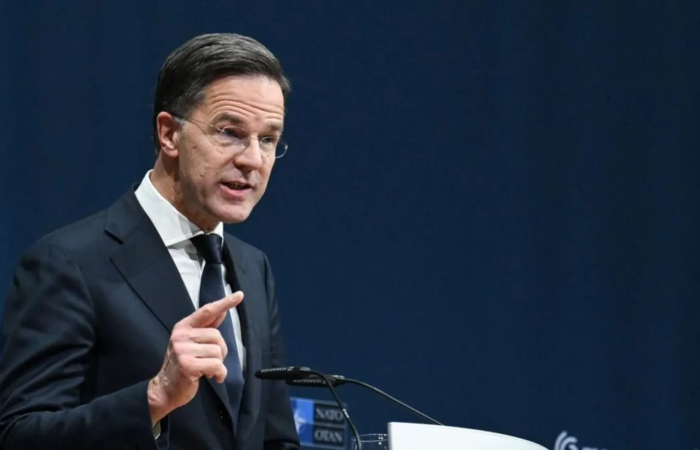
NATO Chief says war is on Europe's doorstep, and warns against complacency

NATO Chief says war is on Europe's doorstep, and warns against complacency

Russia could attack a NATO country within the next five years, the Secretary General of NATO, Mark Rutte, said in a stark new warning. "NATO's own defences can hold for now," Rutte warned in Berlin, but conflict was "next door" to Europe, and he feared "too many are quietly complacent, and too many don't feel the urgency, too many believe that time is on our side. "Russia is already escalating its covert campaign against our societies," Rutte said in a speech in Germany. "We must be prepared for the scale of war our grandparents or great-grandparents endured." Earlier this month, Russia's President Vladimir Putin said his country was not planning to go to war with Europe, but it was ready "right now" if Europe wanted to - or started a war. But similar reassurances were given by Moscow in 2022, just before 200,000 Russian troops crossed the border and invaded Ukraine. Putin has accused European countries of hindering US efforts to bring peace in Ukraine - a reference to the role Ukraine's European allies have recently played in trying to change a US peace plan to end the war, whose initial draft was seen as favouring Russia. But Putin was not sincere, Nato's secretary-general said in the German capital, Berlin. Supporting Ukraine, he added, was a guarantee for European security. "Just imagine if Putin got his way; Ukraine under the boot of Russian occupation, his forces pressing against a longer border with Nato, and the significantly increased risk of an armed attack against us." Russia's economy has been on a war footing for more than three years now - its factories churn out ever more supplies of drones, missiles and artillery shells. According to a recent report by the Kiel Institute for the World Economy, Russia has been producing each month around 150 tanks, 550 infantry fighting vehicles, 120 Lancet drones and more than 50 artillery pieces. The UK, and most of its Western allies, are simply not anywhere near this point. Analysts say it would take years for Western Europe's factories to come close to matching Russia's mass-production of weapons. "Allied defence spending and production must rise rapidly, our armed forces must have what they need to keep us safe," the Nato chief said.

Filter archive

Publication date
Editor's choice
News
Russia warns Armenia of high economic price if it pursues EU membership

Russia warns Armenia of high economic price if it pursues EU membership

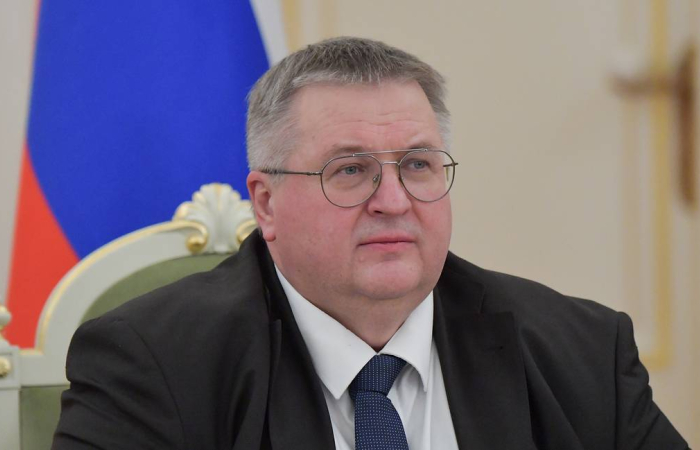
Accession to the EU is incompatible with Armenia’s continued membership in the Eurasian Economic Union, a Russian-led trade bloc that gives it tariff-free access to Russia’s vast market, according to Russian Deputy Prime Minister Aleksei Overchuk. Armenia would also have to pay much more for Russian energy resources and food, Overchuk said. Last week, the Armenian Parliament adopted a bill calling for the government to seek accession to the EU, representing a significant shift in Armenia’s foreign policy perspective away from its long-time ally Russia.
Editor's choice
News
President Macron gathers leaders to discuss aid to Ukraine and a European Armed Force

President Macron gathers leaders to discuss aid to Ukraine and a European Armed Force

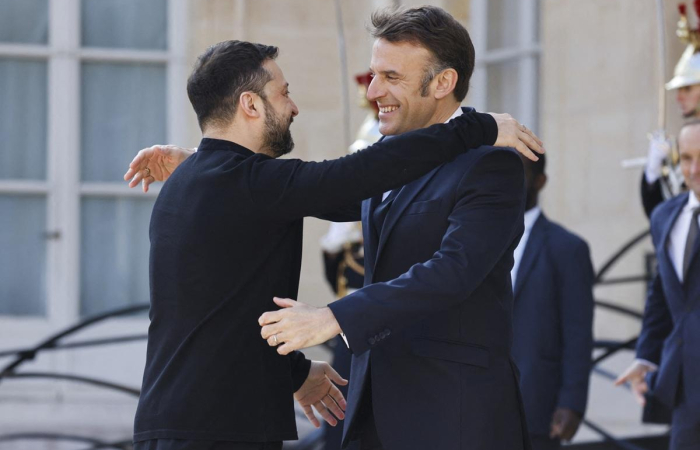
Ukraine’s allies from across Europe gathered for talks in Paris on Thursday to discuss how to strengthen Kyiv’s hand and its military as it pushes for a ceasefire with Russia, and to consider proposals to deploy European troops in the country in tandem with any peace deal. French President Emmanuel Macron is hosting the leaders of nearly 30 countries plus NATO and European Union chiefs. The summit comes at a crucial juncture in the war, with intensifying diplomatic efforts to broker ceasefires, driven by pressure from US President Donald Trump  to end the fighting.
Editor's choice
News
US brokers agreement to end Russia - Ukraine military action in the Black Sea

US brokers agreement to end Russia - Ukraine military action in the Black Sea

Russia and Ukraine agreed Tuesday to halt military strikes in the Black Sea and on energy sites during talks brokered by the United States, which offered as a first concrete incentive to Moscow to ease pressure on agricultural exports. With President Donald Trump pushing for a rapid end to the war that has killed tens of thousands of people, US negotiators shuttled separately over three days in the Saudi capital Riyadh between delegations from Ukraine and Russia.
Editor's choice
News
EU leaders vow to continue support for Ukraine but make no concrete pledge

EU leaders vow to continue support for Ukraine but make no concrete pledge

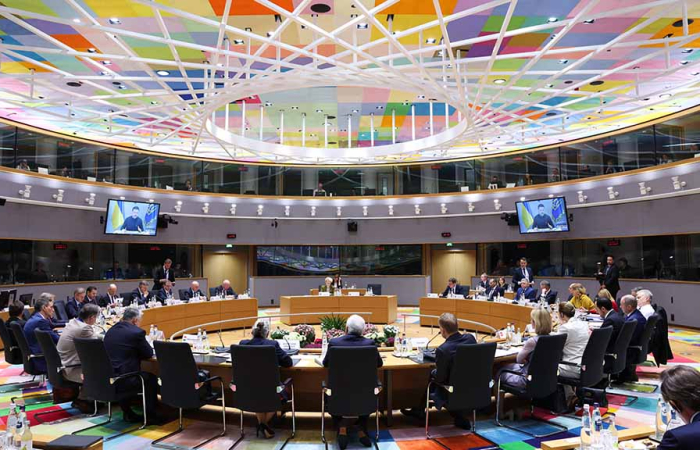
European Union leaders said on Thursday that they will continue to support Ukraine, but they did not immediately endorse a call by Ukrainian President Volodymyr Zelenskiy to provide at least 5 billion euros for artillery ammunition purchases. The EU’s leaders also discussed the Commission's defence proposals, which include a call for European countries to pool resources on joint military projects and buy more European arms.
Editor's choice
News
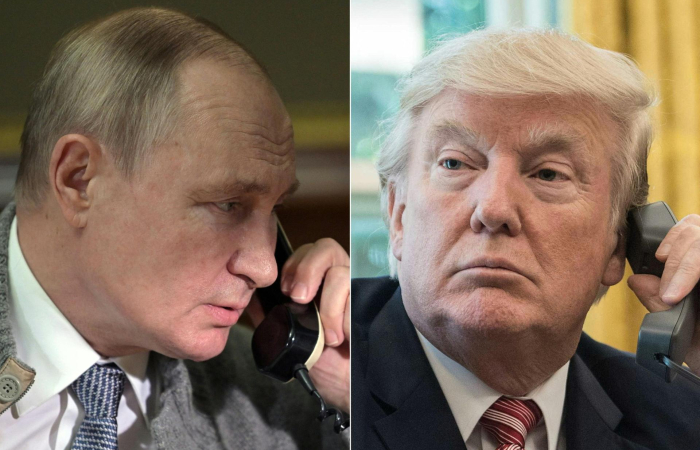
Trump, Putin agree halt to Ukraine energy attacks but no ceasefire

Trump, Putin agree halt to Ukraine energy attacks but no ceasefire

Donald Trump and Vladimir Putin agreed Tuesday on a halt in Russian attacks against Ukrainian energy targets but fell far short of securing a full ceasefire in a highly anticipated phone call. The US and Russian leaders spoke for more than an hour and a half and both expressed hopes for repairing relations between the countries. However, there was no agreement from the Russian president for Washington's proposed full 30-day ceasefire in Russia's invasion of its pro-Western neighbour.
Editor's choice
News
Baltic states and Poland recommend withdrawal from anti-landmine treaty

Baltic states and Poland recommend withdrawal from anti-landmine treaty

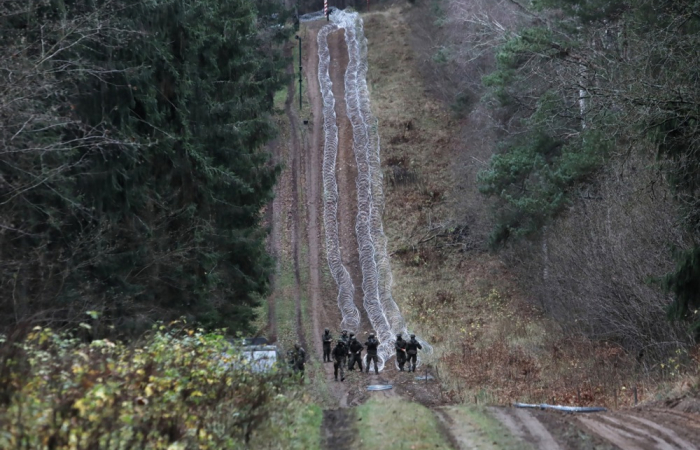
Poland and the three Baltic states of Latvia, Lithuania and Estonia want to withdraw from the international treaty banning the use of anti-personnel mines. The four NATO countries say it is necessary to be able to mount an optimal defence against the growing threat of Russian aggression.
Editor's choice
News
Chaos in Romania after Calin Georgescu is barred from presidential election rerun

Chaos in Romania after Calin Georgescu is barred from presidential election rerun

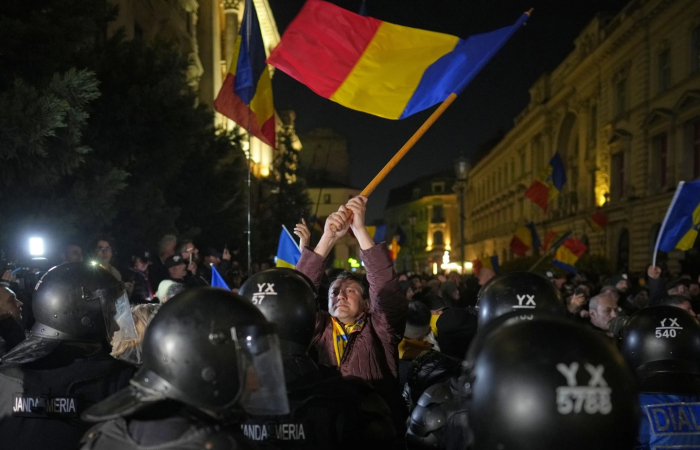
Chaos broke out in Romania’s capital Sunday evening as incensed supporters of the far-right populist Calin Georgescu protested the electoral body’s decision to reject his candidacy in a presidential election rerun. He won the first round of last year’s race before a top court annulled the election. The 62-year-old Georgescu filed his candidacy on Friday in the capital, Bucharest. The Central Election Bureau, also known by its Romanian acronym BEC, had 48 hours to register or reject it.
Editor's choice
News
European leaders agree on defense spending surge at crucial EU summit on Ukraine

European leaders agree on defense spending surge at crucial EU summit on Ukraine

European Union leaders agreed to significantly boost defense spending to ensure Europe’s security and voiced near-unanimous support for Ukraine at an extraordinary meeting on Thursday, after the United States dramatically pulled back its assistance to the continent in a historic upending of transatlantic relations. At the summit in Brussels, 26 European leaders signed a text calling for a peace deal that respects “Ukraine’s independence, sovereignty and territorial integrity,” while including Ukraine in the negotiations. Hungary abstained.
Editor's choice
News
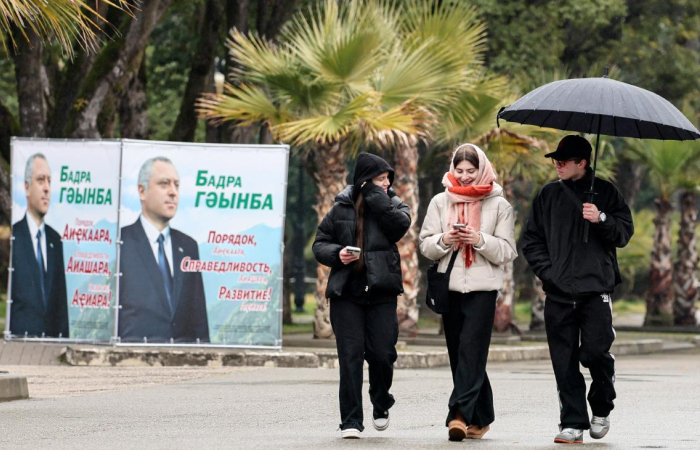
Badra Gunba elected President in Abkhazia with almost 55 per cent of the second round vote

Badra Gunba elected President in Abkhazia with almost 55 per cent of the second round vote

Badra Gunba has won a presidential election in the breakaway Georgian region of Abkhazia, state media said on Sunday, months after his predecessor was driven from office following protests over an investment deal with Russia. Gunba, currently acting President, took almost 55 per cent of the vote in Saturday's election in the Russia-backed territory, ahead of opposition leader Adgur Ardzinba on just under 42 per cent, Abkhazian state news agency Apsnypress reported, citing preliminary results from the electoral commission. Reports indicate that 70 per cent of the population took part in the elections - 100,412 people.