Region

Global

Stories in this section cover various issues and stories from all around the world.

Editor's choice
News
NATO Chief says war is on Europe's doorstep, and warns against complacency

NATO Chief says war is on Europe's doorstep, and warns against complacency

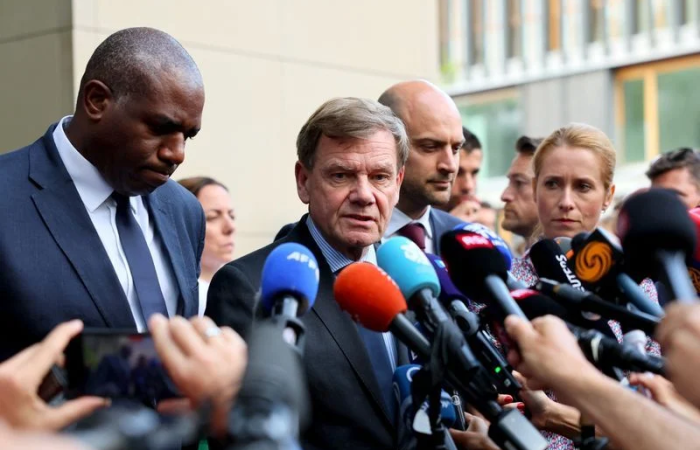
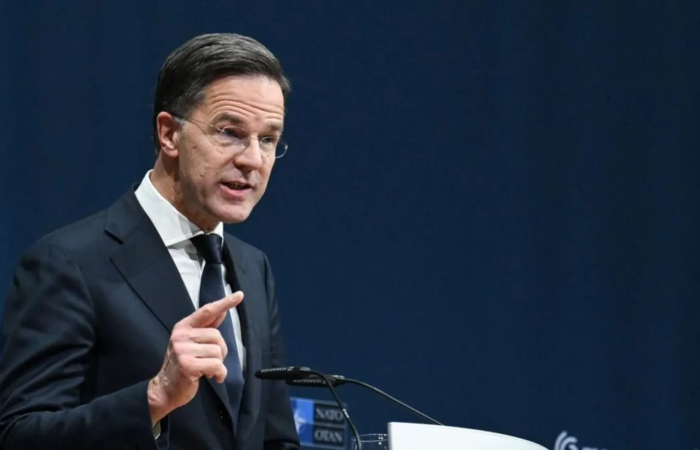
Russia could attack a NATO country within the next five years, the Secretary General of NATO, Mark Rutte, said in a stark new warning. "NATO's own defences can hold for now," Rutte warned in Berlin, but conflict was "next door" to Europe, and he feared "too many are quietly complacent, and too many don't feel the urgency, too many believe that time is on our side. "Russia is already escalating its covert campaign against our societies," Rutte said in a speech in Germany. "We must be prepared for the scale of war our grandparents or great-grandparents endured." Earlier this month, Russia's President Vladimir Putin said his country was not planning to go to war with Europe, but it was ready "right now" if Europe wanted to - or started a war. But similar reassurances were given by Moscow in 2022, just before 200,000 Russian troops crossed the border and invaded Ukraine. Putin has accused European countries of hindering US efforts to bring peace in Ukraine - a reference to the role Ukraine's European allies have recently played in trying to change a US peace plan to end the war, whose initial draft was seen as favouring Russia. But Putin was not sincere, Nato's secretary-general said in the German capital, Berlin. Supporting Ukraine, he added, was a guarantee for European security. "Just imagine if Putin got his way; Ukraine under the boot of Russian occupation, his forces pressing against a longer border with Nato, and the significantly increased risk of an armed attack against us." Russia's economy has been on a war footing for more than three years now - its factories churn out ever more supplies of drones, missiles and artillery shells. According to a recent report by the Kiel Institute for the World Economy, Russia has been producing each month around 150 tanks, 550 infantry fighting vehicles, 120 Lancet drones and more than 50 artillery pieces. The UK, and most of its Western allies, are simply not anywhere near this point. Analysts say it would take years for Western Europe's factories to come close to matching Russia's mass-production of weapons. "Allied defence spending and production must rise rapidly, our armed forces must have what they need to keep us safe," the Nato chief said.
Editor's choice
News
Thai-Cambodia border clashes enter fourth day

Thai-Cambodia border clashes enter fourth day

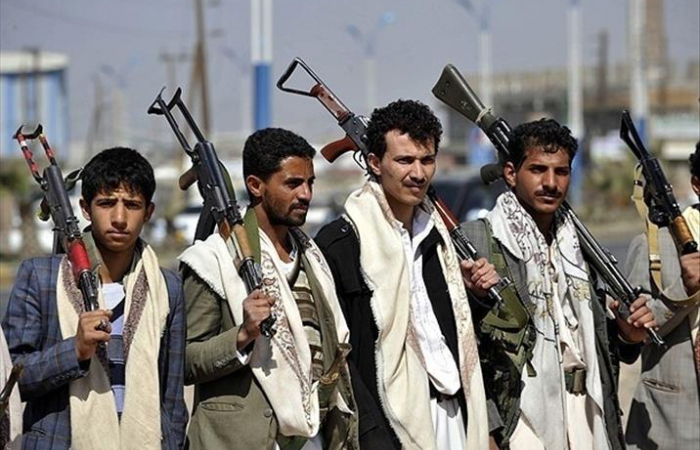
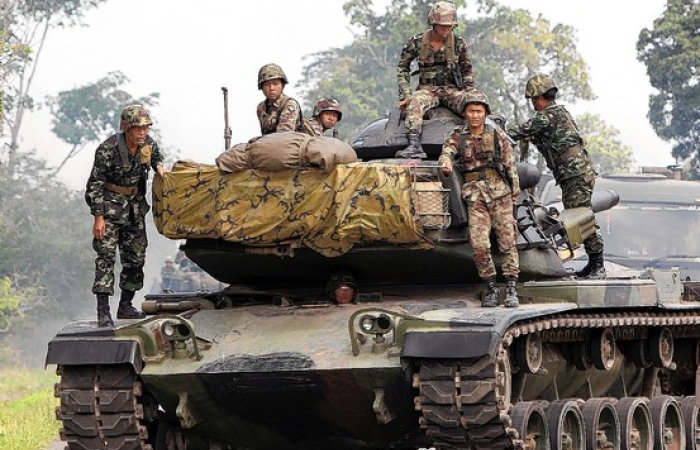
Renewed fighting between Thailand and Cambodia has entered its fourth day, with both sides accusing one another of violating international law, as they await a promised phone call from United States President Donald Trump. Cambodia’s Ministry of Defence accused Thailand’s military of carrying out numerous attacks within the country in the early hours of Thursday morning, including deploying tanks and artillery to strike targets in the country’s Pursat, Banteay Meanchey, and Oddar Meanchey provinces. In one such attack, Cambodia accused Thai soldiers of violating international humanitarian law by firing on civilians in Prey Chan village in Banteay Meanchey province. In another, it accused Thai forces of shelling “into Khnar Temple area”, and said Thai forces had also “fired artillery and support fire into the O’Smach area”. “Cambodia urges that Thailand immediately stop all hostile activities and withdraw its forces from Cambodia’s territorial integrity, and avoid acts of aggression that threaten peace and stability in the region,” the Defence Ministry said. Clashes took place on Wednesday at more than a dozen locations along the contested colonial-era demarcated 817-kilometre (508-mile) Thai-Cambodian border, with some of the most intense fighting being reported since a five-day battle in July, which saw dozens killed on both sides. Cambodia’s Ministry of the Interior said homes, schools, roads, Buddhist pagodas and ancient temples had been damaged by “Thailand’s intensified shelling and F-16 air strikes targeting villages and civilian population centres up to 30km [18.6 miles] inside Cambodian territory”. (click the image to read the full story).

Filter archive

Publication date
Editor's choice
News
The United States attacks Iran

The United States attacks Iran

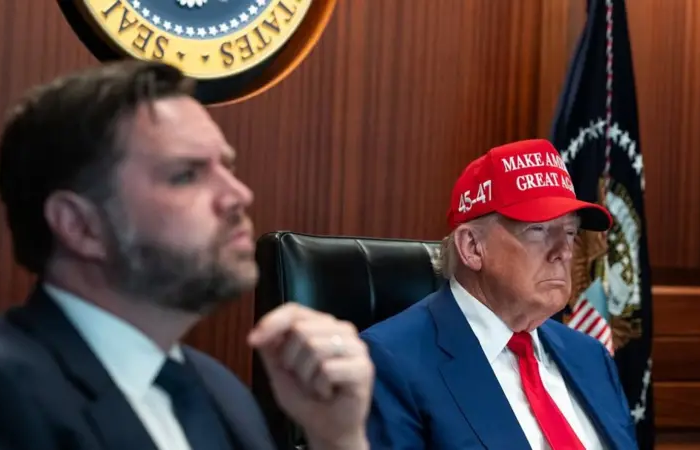
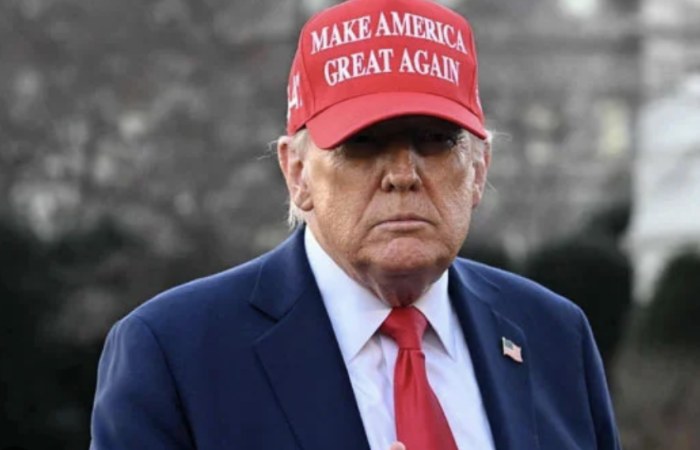
US president, Donald Trump, has said that the American military has completed strikes on three nuclear sites in Iran, including Fordo, Natanz and Esfahan. "We have completed our very successful attack on the three Nuclear sites in Iran, including Fordow, Natanz, and Esfahan. All planes are now outside of Iran air space," he wrote on Truth Social. Trump added that a "full payload of bombs" were dropped on Fordo and all planes were on their way back to the US. In a national televised address from the White House, Trump warned  Iran it must make peace of future attacks will be "far greater". The UN Secretary-General António Guterres described the United States’ bombing of three nuclear sites in Iran as a “dangerous escalation” on Saturday following eight days of deadly strikes and counter strikes between Tehran and Tel Aviv. “I am gravely alarmed by the use of force by the United States against Iran today,” said the UN chief, reiterating that there is no military solution “This is a dangerous escalation in a region already on the edge – and a direct threat to international peace and security.”
Editor's choice
News
Putin offers to broker a deal between Iran and Israel as Trump warns of US military action

Putin offers to broker a deal between Iran and Israel as Trump warns of US military action

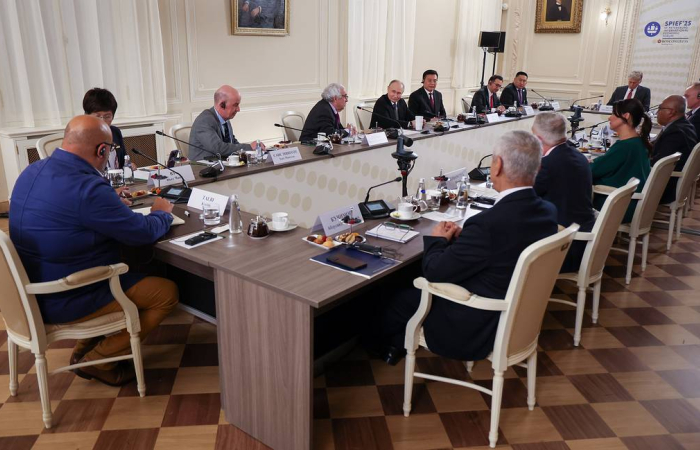
Russian President Vladimir Putin offered Wednesday to help mediate an end to the conflict between Israel and Iran, suggesting Moscow could help negotiate a settlement that could allow Tehran to pursue a peaceful atomic program while assuaging Israeli security concerns, AP reported. Speaking to senior news leaders of international news agencies on the sidelines of the St. Petersburg International Economic Forum, Putin noted that “it’s a delicate issue,” but added that “in my view, a solution could be found.” Meanwhile, Iran launched a fresh salvo of missiles at Israel on Thursday, with a hospital reported hit, as US President Donald Trump warned he was weighing US military action in the conflict.
Editor's choice
News
North Korea to send thousands of military construction workers to help rebuild Russia's Kursk

North Korea to send thousands of military construction workers to help rebuild Russia's Kursk

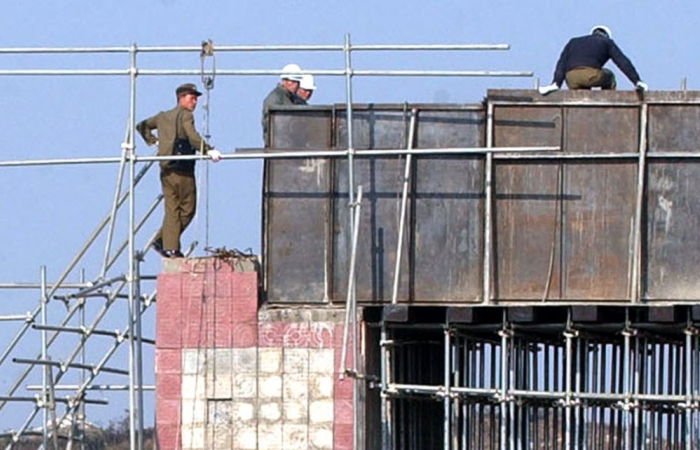
According to the Russian Security Council Secretary, Sergei Shoigu, thousands of North Koreans are set to assist in the reconstruction efforts in the Russian border region of Kursk, which recently witnessed intense fighting between Russia and Ukraine.
Editor's choice
News
Leaders urge 'de-escalation' as G7 Summit in Canada is overshadowed by Middle East conflict

Leaders urge 'de-escalation' as G7 Summit in Canada is overshadowed by Middle East conflict

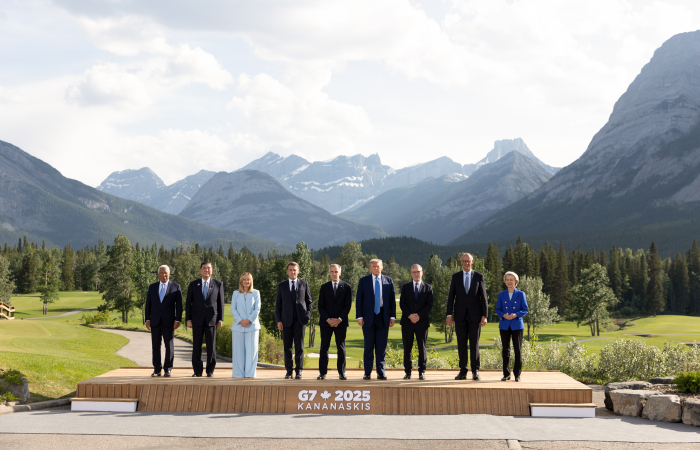
The G7 summit, a gathering of major world leaders meeting at Kananaskis, in the Canadian Rockies, has concluded with a joint leaders statement urging a "de-escalation of hostilities in the Middle East, including a ceasefire in Gaza". It stopped short of calling for a ceasefire between Israel and Iran. The leaders' statement, published as US President Trump left Canada, said Israel had a right to defend itself, and that Iran was a source of terror that should not have a nuclear weapon. According to the BBC, its call for a resolution of the crisis that led to a broader de-escalation of hostilities in the Middle East amounted to a diplomatic compromise that preserved G7 unity but watered down the statement's impact.
Editor's choice
Analysis
G7 summit turning out not was expected with Israel-Iran conflict on everyone's mind

G7 summit turning out not was expected with Israel-Iran conflict on everyone's mind

Leaders of the G7  countries meet in Canada this week, for a summit that is not quite what they had expected, with the Israel-Iran conflict being on everyone’s mind. The leaders of Britain, France, Germany, Italy, Canada and Japan and the European Union will be there, and of course, the president of the United States Donald Trump. Mark Carney, the new Canadian Prime Minister, had planned fo talks in the wilderness retreat of Kananaskis, that avoided rows with Mr Trump. Much of the agenda was non-controversial, about energy security, protecting mineral supply chains, accelerating the digital transition and tackling forest fires. However, Israel's decision to attack Iran will force the Group of Seven western powers to spend less time on other issues and instead discuss ways of managing the conflict. Canadian officials, still bruised by the experience of the last G7 summit that they hosted in 2018, even decided not to have a summit communique to avoid textual disputes dominating the gathering. On that occasion, Mr Trump in his first stint in office stormed out early and, on the plane home, withdrew his support for the summit communique. Instead, world leaders will agree a number of "short, action-oriented statements" that maintain consensus and ignore divisive issues. That now seems also to be overambitious. The G7 leaders, due to arrive in Canada on Sunday, know the global security and economic risks if this conflict escalates, dragging in other countries, sending oil prices soaring. Other leaders are also attending the summit as guests, including from Mexico, India, Australia, South Africa, South Korea, Ukraine and Brazil. Many of them have their own problems with Mr Trump.