The recent incident involving the Balticconnector pipeline, a critical natural gas link between Finland and Estonia with an annual capacity of around 2.6 bcm, has brought to the fore escalating energy security concerns, particularly in the context of NATO's strategic considerations. A leak in the pipeline and damage to an undersea communication cable were discovered on 8 October, leading to an immediate shutdown for investigation. The exact cause remains under investigation, and the damage could take at least five months to repair. It is suspected to be malicious interference from outside, similar to what happened to the Nord Stream 1 and Nord Stream 2 gas pipelines in 2022.
On 10 October, Finnish President Sauli Niinistö acknowledged that the damage was likely caused by “external activities”, and the Finnish government and NATO are closely monitoring the situation. However, the incident comes at a time of increasing global geopolitical tensions and technological change, and underlines the importance of energy security. As NATO's newest member, Finland's balanced response reflects the Alliance's cautious approach, favouring thorough investigations over hasty conclusions. More than just a gas pipeline, the Balticconnector symbolises a step towards energy independence for the Baltic States from Russian gas, raising the stakes on the prevailing geopolitical chessboard.
The heightened geopolitical tensions of recent years have had a significant impact on global energy policies and strategies. The ongoing Russo-Ukrainian war and international accusations that Russia is using energy as a weapon have reverberated worldwide, making the issue impossible to ignore. This is particularly evident in Europe, where an already volatile energy market has been further disrupted. For example, Kadri Simson, European Commissioner for Energy, underlined this urgency in September when she stressed the importance of ensuring stable gas supplies for the approaching winter. She urged member states to be prepared for “all eventualities”, highlighting potential vulnerabilities in Europe's pipeline infrastructure, especially during the colder months. Furthermore, due to the incident, gas prices in Europe and beyond have skyrocketed, raising concerns among European policymakers and stakeholders about the stability and security of the energy market.
Meanwhile, in Finland, contingency measures are being taken to mitigate the fallout. Two new LNG terminals in Inkoo (Finland) have bolstered the country's energy resilience, ensuring adequate supplies during peak winter demand despite the pipeline outage. Concerns about energy supply in the Baltic region have now been alleviated. However, the temporary closure of the Balticconnector does not cause any immediate disruption to the security of the energy supply. Kai Mykkänen, Minister for Climate and Environment, sought to reassure the public and stakeholders that the situation is under control and that a robust mechanism is in place to deal with such unforeseen events.
However, the unfolding scenario underscores a broader narrative of evolving energy geopolitics and the balancing act between diplomacy, security and economic interests. To bolster the region's security, there is a pressing need to invest in advanced surveillance systems and risk mitigation strategies. However, Europe's commitment to strengthening energy security goes beyond protecting against geopolitical risks. Regular drills, cyber threat assessments, and partnerships with regional stakeholders will be pivotal in fortifying Europe's energy assets.
As the investigation progresses, the recurring incidents of potential sabotage underline the vulnerability and strategic importance of the underwater infrastructure in the Baltic Sea region. Such incidents highlight the urgent need for long-term increased vigilance and more joint security measures to protect these vital assets. The Baltic region's proximity to Russian waters adds a nuanced complexity to the security dynamic, underscoring the importance of deploying more advanced sensor technologies and intensifying naval patrols to deter emerging threats.
Amid this evolving scenario, NATO, while maintaining a calm posture, is, as is to be expected, actively engaged in intelligence operations in the region. The aim is to understand the wider implications of the incident and anticipate potential challenges as the winter months approach. Indeed, the Balticconnector incident is a reminder of the intertwined relationship between energy geopolitics and regional stability. As NATO and the nations concerned navigate through this turbulent environment, a united, informed and strengthened stance is essential. Ensuring energy security and maintaining geopolitical balance requires a multi-layered approach: diversifying energy sources, building robust infrastructure with built-in redundancies, and fostering cooperation. Indeed, this incident illustrates the delicate balance between energy infrastructure and geopolitical stability.
source: Maximiliaan van Lange is the Chief of Staff at LINKS Europe and is part of the research team at commonspace.eu as a Senior Research Associate.
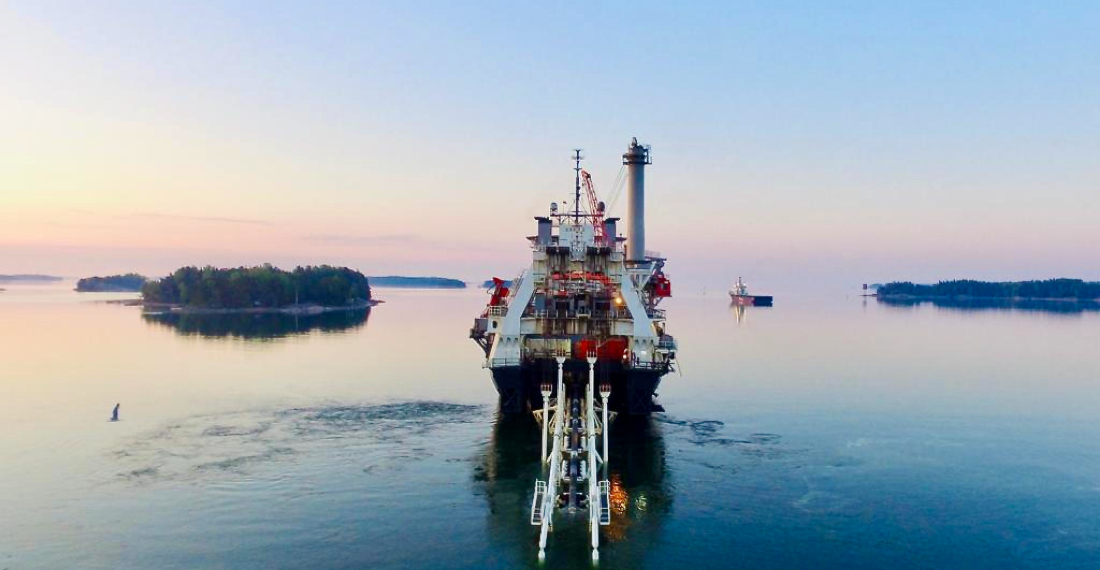
photo: Balticconnector gas pipeline up and running since 1 January 2020. European Commission
The views expressed in opinion pieces and commentaries do not necessarily reflect the position of commonspace.eu or its partners