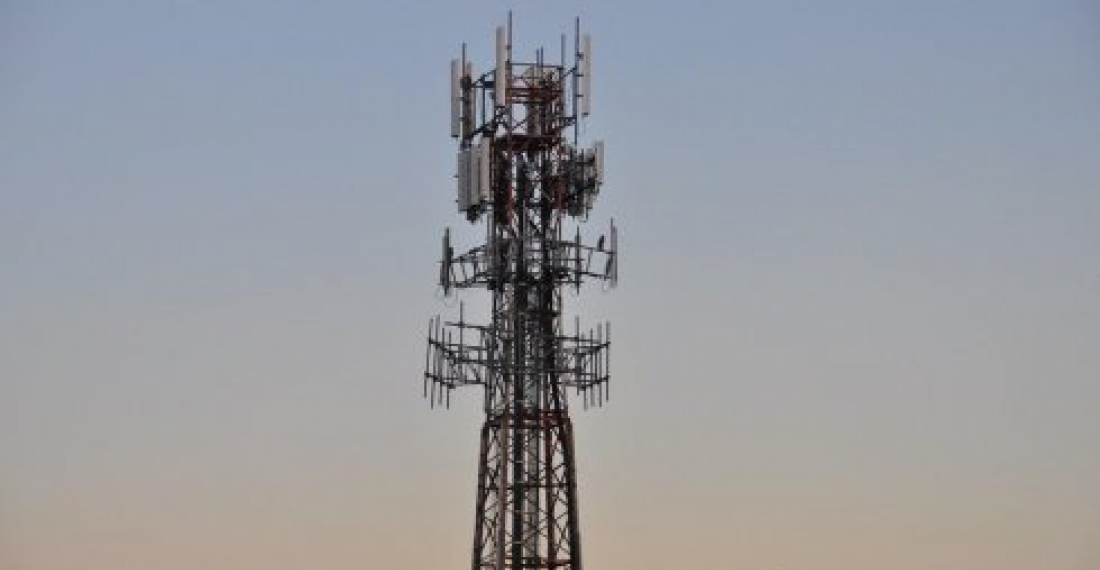
Why are people blaming the current pandemic on 5G mobile networks? Is there any truth to it? William Murray allays fears in this article for commonspace.eu.
Despite continuous reassurances by independent experts and governments, rumours continue to spread regarding a link between the incoming mobile 5G network and the ongoing COVID-19 pandemic. Conspiracy theories connecting the electro-magnetic signals used in telecommunications and bad health are no new thing but are usually consigned to posts by social media trolls and tin-hat conspiracy blogs. With the current heightened level of stress and people eagerly looking for a scapegoat or simple explanation for the COVID-19 pandemic, however, distrust of 5G networks has become mainstream.
What are these rumours and where have they come from?
5G is the fifth generation of mobile broadband, which is claimed to speed up data upload and download speeds up to 100 times that of the current 4G network [1]. The claim is that the technology being used to host the 5G network is really what is responsible for causing and spreading the virus, or in lowering people's immune systems to make them more susceptible to catching the virus [].
Claims about the dangers of mobile broadband technology are no new thing. Similar assertions were made about the H1N1 virus outbreak in 2009 with the roll-out of 4G, and the influenza epidemic with 3G in 1998, with some also reportedly claiming that radio waves were responsible for the Spanish flu in 1918. The current rumour is thought to have started as a hypothesis by a Belgium practitioner in a Dutch-speaking newspaper, who was speaking about the dangers of 5G and entertained the concept that it could be connected to COVID-19 [2]. The rumours have now been picked-up by numerous conspiracy theorists but also mainstream celebrities, such as Wiz Khalifa, who have helped to spread the claims [3].
This specific rumour appears to have been bolstered by the claim that Wuhan, China - where the virus is thought to have originated - was one of the first places that 5G technology was tested [4].
What are the experts saying?
In the post-truth era, it comes as little surprise that people are willing to distrust governments and industry experts, especially when they are seen to be the beneficiaries of the technology that they are claiming to be safe. We are, of course, living in a time where industry leaders and people in power attempt to rubbish very real, well-evidenced concerns regarding climate change in blind defence of profit margins.
But whilst there are some valid concerns about 5G technology and the significant increase of involuntary exposure to radiofrequency electromagnetic fields [5]; there is no evidence to suggest that 5G networks have anything to do with the spreading of the virus. In an article for the BBC, Dr Simon Clarke, Associate Professor in cellular microbiology at the University of Reading, said that the claim that 5G can lower your immune system "doesn't stand up to scrutiny"; whilst Adam Finn, Professor of Paediatrics at the University of Bristol, referred to the virus spreading through radiowaves as impossible - "Viruses and electromagnetic waves that make mobile phones and internet connections work are different things. As different as chalk and cheese." [6]
Times are stressful enough as it is, and although being concerned about new technologies is crucial, we cannot allow ourselves to blindly believe damning but baseless claims which will only exacerbate our anxiety. We must respectfully educate those that are spreading false information, whilst being careful not to alienate them, which only will result in them further entrenching, internalising, and spreading fake news.
Source: William Murray, Project Officer and Coordinator at LINKS Europe, for commonspace.eu
Featured references:
[1] New York Magazine - '5G Is Going to Transform Smartphones - Eventually': https://nymag.com/intelligencer/2019/02/5g-is-going-to-transform-smartphones-eventually.html
[2] The Independent - 'Coronavirus 5g: How a Baseless Conspiracy Theory About Phone Masts And Covid-19 Provoked Panic And Confusion': https://www.independent.co.uk/life-style/gadgets-and-tech/features/5g-coronavirus-conspiracy-theory-china-online-twitter-facebook-a9450001.html
[3] .coda - 'Meet the celebrities pushing 5G coronavirus conspiracies to millions of fans': https://www.codastory.com/waronscience/celebrities-5g-conspiracies/
[4] Fullfact - 'The Wuhan coronavirus has nothing to do with 5G': https://fullfact.org/online/wuhan-5g-coronavirus/
[5] JRS ECO Wireless - 'EU 5G Appeal - Scientists warn of potential serious health effects of 5G': https://www.jrseco.com/european-union-5g-appeal-scientists-warn-of-potential-serious-health-effects-of-5g/
[6] BBC News - 'Coronavirus: Scientists brand 5G claims 'complete rubbish'': https://www.bbc.com/news/52168096