


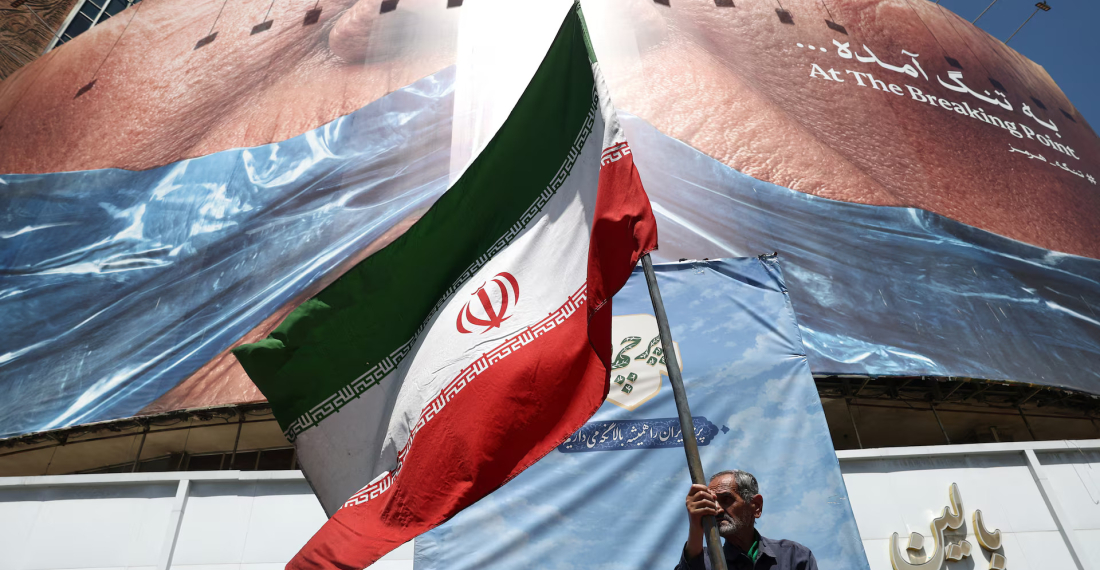
US Central Command said on Sunday (31 May) that “aggressive Iranian actions” included the downing of a US MQ-1 drone operating over international waters. It added that US fighter aircraft “swiftly responded” by eliminating Iranian air defences, a ground control station, and two one-way attack drones that it said posed clear threats to ships transiting regional waters. CENTCOM said it would continue to protect US assets and interests during the ongoing ceasefire.
"The measured and deliberate strikes occurred on Saturday and Sunday in response to aggressive Iranian actions that included the shootdown of a U.S. MQ-1 drone that was operating over international waters. U.S. fighter aircraft swiftly responded by eliminating Iranian air defenses, a ground control station, and two one-way attack drones that posed clear threats to ships transiting regional waters."
On Monday (1 June), Iran’s Islamic Revolutionary Guard Corps said it had targeted an air base used by the US in response. Kuwait’s state news agency KUNA reported that air defences near a major US military base had intercepted missile and drone attacks, with sirens sounding across the country.
In a late-night social media post on Sunday (31 May), US President Donald Trump did not mention the exchange of hostilities. Instead, he repeated his still unproven claim that Iran “really wants to make a deal” and criticised opponents of the negotiations, including what he called “seemingly unpatriotic Republicans”, for their negative “chirping”.
“Just sit back and relax, it will all work out well in the end — it always does!” he said.
Meanwhile, Israeli Prime Minister Benjamin Netanyahu said on Sunday (31 May) that he had ordered troops to advance further into Lebanon in the fight against the Iranian-backed Hezbollah militant group.
US Secretary of State Marco Rubio has spoken with both Lebanese President Joseph Aoun and Netanyahu about diplomatic negotiations between Israel and Lebanon. A US official said Rubio had proposed a plan aimed at allowing “gradual de-escalation”.
Source: commonspace.eu with Reuters



