


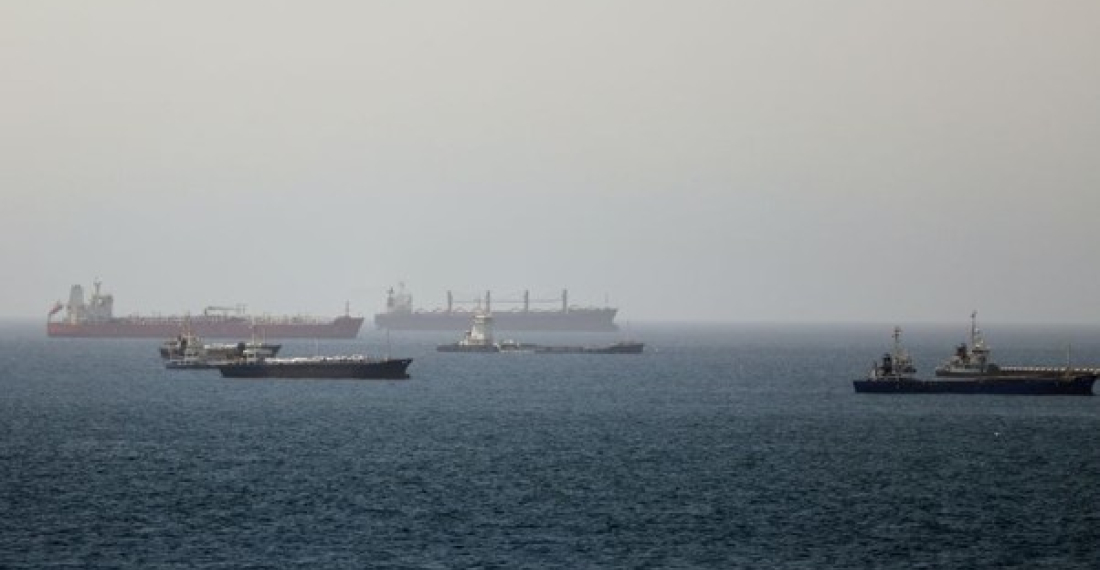
The US launched strikes on Iran and revoked a temporary waiver of sanctions on Iranian oil, following attacks on three commercial vessels in the Strait of Hormuz.
US, Qatari and Saudi officials blamed Iran for the attacks on the vessels.
US Central Command said that it had begun “launching a series of powerful strikes against Iran to impose heavy costs for targeting and attacking commercial shipping crewed by innocent civilians in an international waterway”.
Tehran has not directly claimed responsibility for the attacks, but has repeatedly warned vessels against attempting to transit the waterway on routes it has not approved.
Iranian Deputy Foreign Minister Kazem Gharibabadi said earlier that Tehran would take “decisive actions to safeguard its national interests and security” in response to the revocation of the sanctions waiver, describing the move as a “blatant violation” of the memorandum of understanding (MoU) signed by Washington and Tehran on June 17.
Oil prices have surged as renewed hostilities between the United States and Iran threaten to derail a fragile ceasefire that had brought some relief to global energy markets.
Brent crude, the main international benchmark, rose as much as 3 percent on Wednesday, reversing a slide that had seen prices return to pre-war levels.
Brent futures for September stood at $76.07 a barrel as of 04:00 GMT, the highest since June 23.
The jump came after the US launched strikes on Iran and revoked a temporary waiver of sanctions on Iranian oil, following attacks on three commercial vessels in the Strait of Hormuz.
US, Qatari and Saudi officials blamed Iran for the attacks on the vessels..
source: commonspace.eu with alJazeera (Doha) and agencies



