Theme

Equality and Human Rights

'All human beings are born free and equal in dignity and rights. They are endowed with reason and conscience and should act towards one another in a spirit of brotherhood.'

– Article One, The UN Declaration of Human Rights

Editor's choice
Young voices
Opinion: The children of Sudan that the world forgot to see

Opinion: The children of Sudan that the world forgot to see

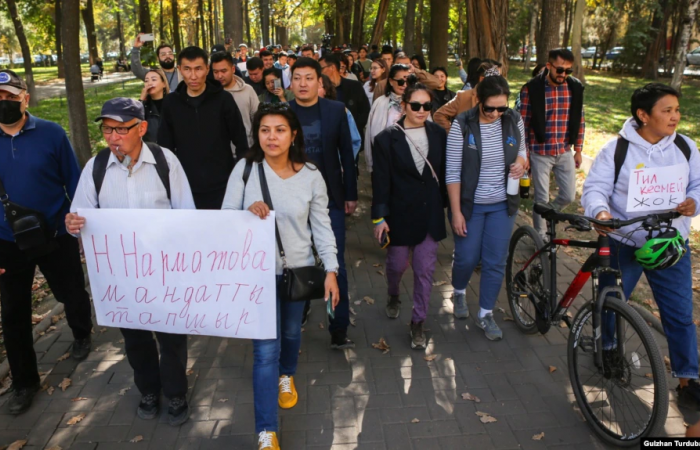
Sudan’s latest war began in April 2023, though the seeds of its violence were planted long before. The Sudanese Armed Forces and the Rapid Support Forces did not collide out of nowhere; they emerged from decades of political rot, unaddressed grievances, ethnic persecution, and military rule that carved deep fractures into the country’s social fabric. When fighting exploded across Khartoum and later consumed Darfur, Kordofan, and the east, it unleashed one of the worst humanitarian catastrophes of the 21st century. In this op-ed, Ioana-Maria Ungureanu, Junior Research Assistant at LINKS Europe, takes a heartfelt look at the plight of Sudan, and its children. When the latest war started, whole cities emptied. Markets burned. Families fled on foot. And a famine began tightening its grip, slow and suffocating. And yet, the world remained mostly silent. Sudanese death is too often framed as an unfortunate feature of the region, a tragedy that feels expected rather than outrageous. Even when evidence of atrocity is abundant, it fails to command the same emotional weight. Sudan should not have to beg for visibility. It deserves it. Because its people deserve to live. And their lives deserve the same respect, safety, and hope that we demand for our own. (read the op-ed in full by clicking the image above)
Editor's choice
News
UN General Assembly demands that Russia returns Ukrainian children

UN General Assembly demands that Russia returns Ukrainian children

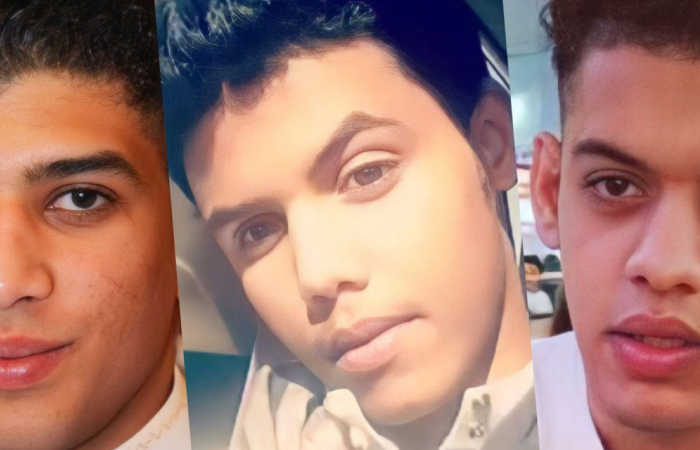
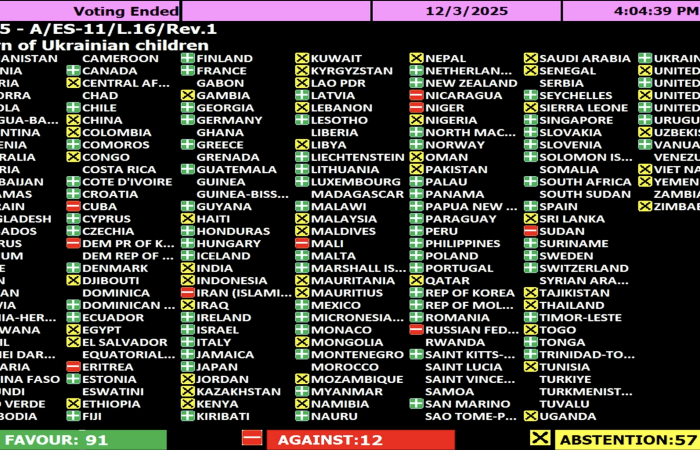
The UN General Assembly, in a vote on Wednesday (3 December) overwhelmingly voted in favour of a resolution demanding that Russia returns Ukrainian children kidnapped since the start of the Russian invasion in February 2022. 91 countries voted in favour of the resolution, 12 voted against, and 57 countries abstained or were not present. Russia and Belarus were joined by ten countries in voting against the resolution, namely, Iran, Cuba, Nicaragua, Burundi, Burkina Faso, Niger, Mali, Democratic Republic of Congo, Sudan, and Eritrea. From the South Caucasus, Georgia voted in favour of the resolution, but Armenia and Azerbaijan abstained, as did Turkiye and the five Central Asian republics. Also abstaining were the six Gulf monarchies and most Arab countries. The resolution calls for the immediate return of Ukrainian children who were deported to Russia. The Ukrainian government says more than 19,000 children have been taken away from Russian-occupied areas and elsewhere since Moscow's invasion began in February of 2022. The draft resolution submitted on Wednesday demands that Russia "ensure the immediate, safe and unconditional return" of the children. (Read more by clicking the image)

Filter archive

Publication date
Editor's choice
Monday Commentary
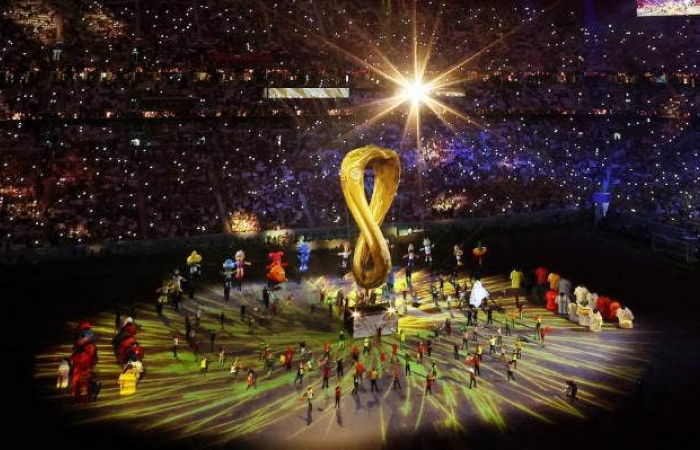
Monday Commentary: Let sports unite us

Monday Commentary: Let sports unite us

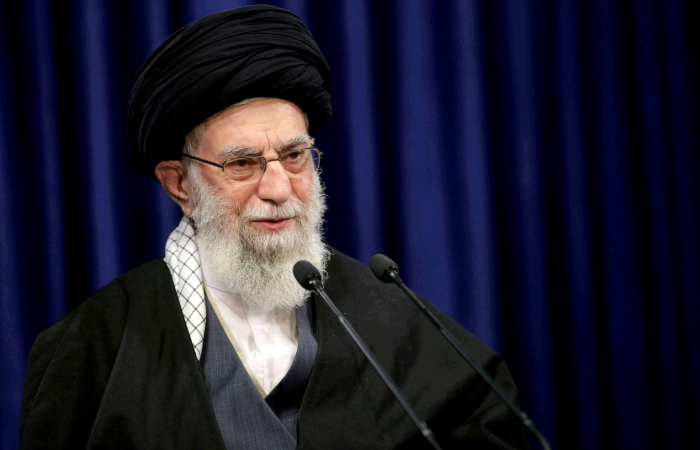
The 2022 FIFA World Cup opened in Doha on Sunday (20 November) with a lavish half an hour opening ceremony full of music and colour. It will be followed by weeks of football extravaganza that millions are looking forward to watching. It was a proud moment for the small Arab Gulf country which has put a lot of effort and resources towards making the event a success, writes Dennis Sammut in today's Monday Commentary on commonspace.eu. Ever since it was decided to hold the FIFA world cup in Qatar there have been those who questioned the decision. Some said the climate was too hot; others criticised the working conditions of the labour force that built the facilities; others questioned Qatar's human rights record, especially on gay rights. Some of the criticism was justified. The world cup helped put attention to such problems and that is how it should be. But frankly, a lot of the criticism of Qatar went over the top and reeked of racism. Qatar has its shortcomings, but the hundreds of thousands of people who flock there to work, and others who just visit, appreciate it for what it is: a young nation that is trying to play a positive role in the world and to offer opportunity for work and business to whoever wants to work with it. It is ofcourse easy to say that sports and politics do not mix. Since sports is an expression of human talent and human feelings politics cannot be excluded. It needs to be managed. People watching football do not need expressions of political opinions shoved down their throats. Many even find such expressions as an insult to their intelligence. But that does not mean that the occasion of a global sports event cannot be a way of transmitting a dignified message with political connotations. One such example happened yesterday when the captain of the Iranian team sent a message to his compatriots back home.
Editor's choice
Opinion
Opinion: Autonomy is one way in which some of the problems in Armenia-Azerbaijan relations can be resolved

Opinion: Autonomy is one way in which some of the problems in Armenia-Azerbaijan relations can be resolved

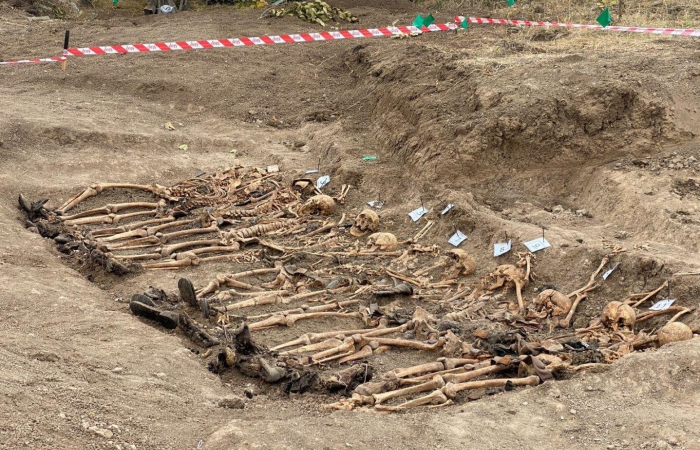
"As Armenians and Azerbaijanis are finally trying to build a lasting peace, autonomy can be a powerful tool that brings people together instead of dividing them. It is important to give it a chance", argues Kamal Makili-Aliyev in this op-ed.  "Autonomy is a viable compromise that can lead to a lasting peace when it is implemented carefully and properly, with the aim of bringing the two nations together." "One good example is the Aland Islands, a Swedish-speaking autonomous region within Finland. That arrangement celebrated its 101st birthday this year as a successful means of bringing Swedes and Finns together politically, culturally, in education and interpersonal relations. Its secret? Carefully thought-out structures for separating powers between the autonomy and the central government, respect for minority rights, and security guarantees in the form of demilitarization (including, no local conscription or military bases) and neutralization (the autonomy cannot participate in wars neither passively, nor actively) of the region.".