Theme

Domestic Politics

Stories related to the internal politics of states and various domestic issues. 

Editor's choice
News
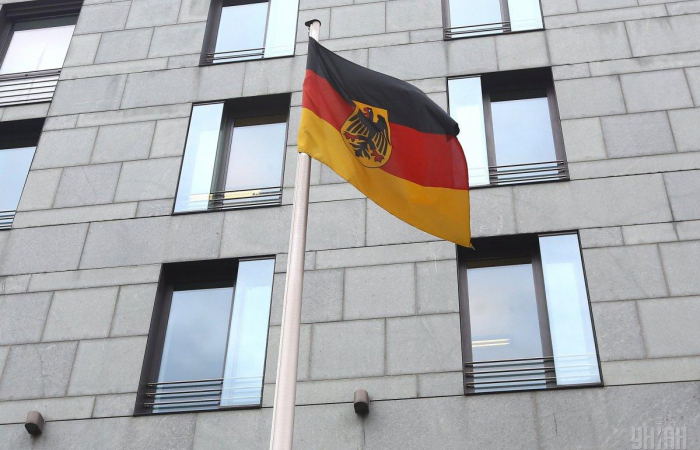
Germany accuses Russia of cyberattacks and disinformation campaign

Germany accuses Russia of cyberattacks and disinformation campaign

The German government holds Russia responsible for a cyberattack on German air traffic control, and for targeted disinformation campaigns before the last federal election. According to the German Foreign Office in Berlin, the incidents could be clearly attributed to the Russian military intelligence service, the GRU. In response, the Russian ambassador to Berlin was summoned to the Foreign Ministry. "We have been observing a massive increase in threatening hybrid activities by Russia for some time now," a spokesperson for the Foreign Ministry stated. These range from disinformation campaigns and espionage to cyberattacks and sabotage attempts. The aim is to divide society, sow distrust, and undermine confidence in democratic institutions. The spokesperson added that with these actions, Russia is "very concretely threatening our security, not only through its war of aggression against Ukraine, but also here in Germany."  The Foreign Ministry spokesperson explained that the cyberattack on air traffic control in August 2024 was clearly attributed to the hacker collective "APT28," known as "Fancy Bear," and to the responsibility of the Russian military intelligence service, the GRU. Furthermore, it could now be "conclusively stated" that Russia had attempted "to influence and destabilize both the last Federal election and the ongoing internal affairs of the Federal Republic of Germany." There was "absolutely irrefutable evidence" for this". The so-called "Storm 1516" campaign, which has been running since 2024, is allegedly backed by "reliable information" that the Moscow-based think tank "Center for Geopolitical Expertise" is behind it. The Center is also said to be supported by Russian military intelligence. Its primary aim is to influence democratic elections in the West. (Click the image to read more).

Filter archive

Publication date
Editor's choice
News
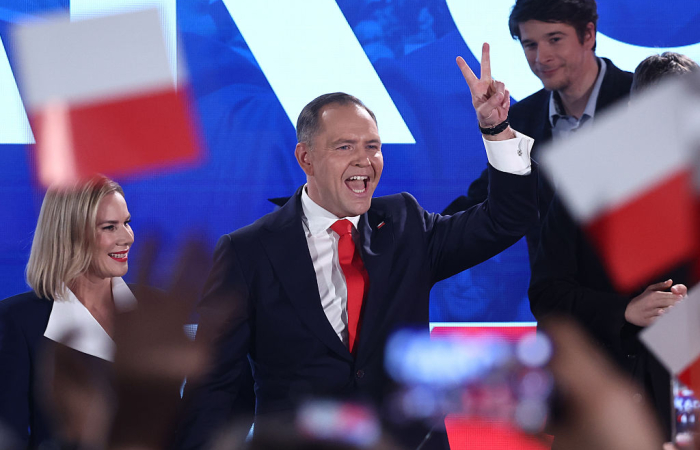
Conservative nationalist Nawrocki wins Polish presidential election

Conservative nationalist Nawrocki wins Polish presidential election

In Poland, every vote really counts. The election turned out to be an unprecedented neck-and-neck race. Conservative nationalist Karol Nawrocki won the election. With all votes counted, the politician, who is affiliated with the opposition Law and Justice (PiS) party, has been declared the winner by the Polish electoral commission.
Editor's choice
Editorial
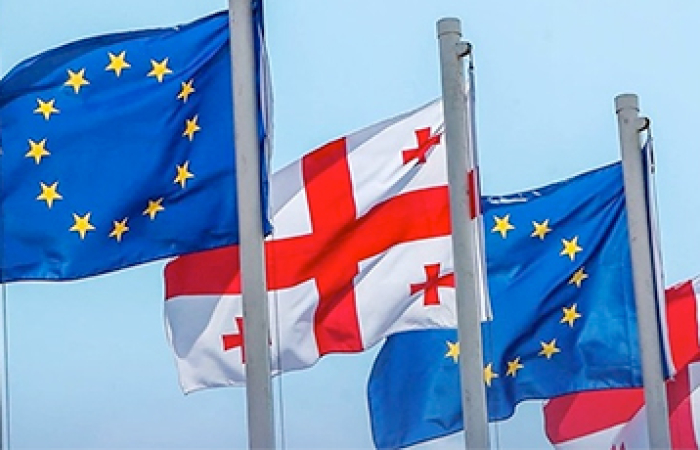
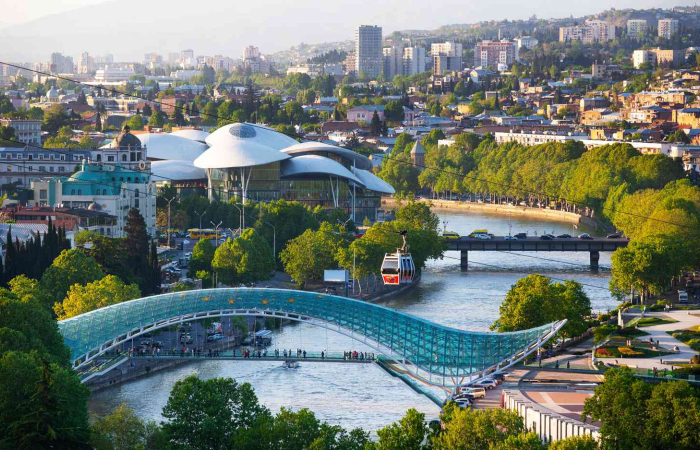
Georgia in limbo

Georgia in limbo

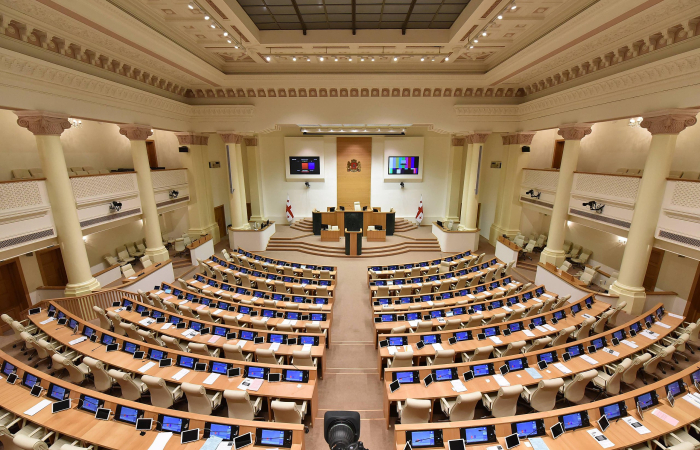
The resignation of three key figures in the Georgian leadership, who had direct access to Georgia’s de facto leader, Bidzina Ivanishvili, leaves Prime Minister Irakli Kobahidze vulnerable and exposed. The Georgian political crises that started with the elections held in October 2024 which the opposition, and most of the world, considered flawed, is now in its eight month. In the meantime a large number of opposition activists and leaders have been jailed. Kobahidze and his government believed that the opposition efforts will fizzle out. They have not. Now Kobahidze and his inner circle look increasingly tired and embattled. Georgia has been in limbo for months. Young people are getting worried about their future. The crises is entering a new phase.
Editor's choice
News
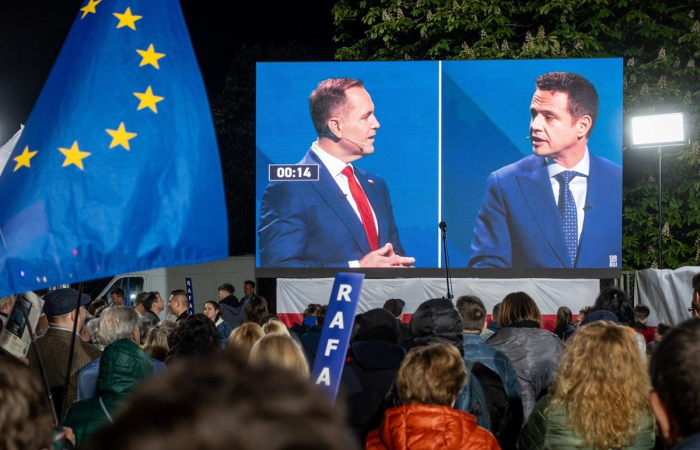
Close race in Presidential election that may determine Poland’s future direction

Close race in Presidential election that may determine Poland’s future direction

Poland’s presidential election has come down to an ideological choice between a liberal pro-European versus a nationalist conservative. They are polling so close that the outcome is impossible to predict in the run-off round on Sunday 1st June. The contest has international implications with US President Donald Trump throwing his weight behind the nationalist candidate, Karol Nawrocki, dangling the prospect of closer military ties if Poles choose him over liberal Warsaw Mayor Rafał Trzaskowski.
Editor's choice
News
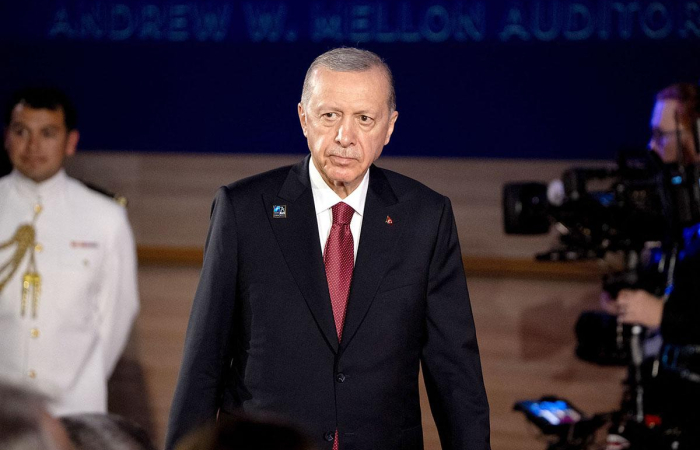
Fears of extended rule as Erdogan appoints legal experts to draft new Constitution

Fears of extended rule as Erdogan appoints legal experts to draft new Constitution

Turkish President Recep Tayyip Erdogan has appointed a team of legal experts to start working on a new constitution with critics saying it could allow him to remain in power beyond 2028, when his current term ends. Erdogan, who has led Türkiye as president since 2014 and was prime minister for more than a decade before that, has advocated for a new constitution arguing that the current one, which was drafted following a military coup in 1980, is outdated and retains elements of military influence even though it was amended several times.
Editor's choice
News
US intelligence report highlights Russian influence over Georgia

US intelligence report highlights Russian influence over Georgia

Following the parliamentary elections of October 2024, the ruling Georgian Dream party created favourable conditions for the growth of Russian influence in the region according to the annual report of the US Defense Intelligence Agency (DIA) that has just been presented to the US Congress. The report says Moscow is almost certainly seeking to bring Georgia back into its sphere of influence and has already made progress through internal political developments in the country.
Editor's choice
News
EU - Azerbaijan Security Dialogue held in Brussels

EU - Azerbaijan Security Dialogue held in Brussels

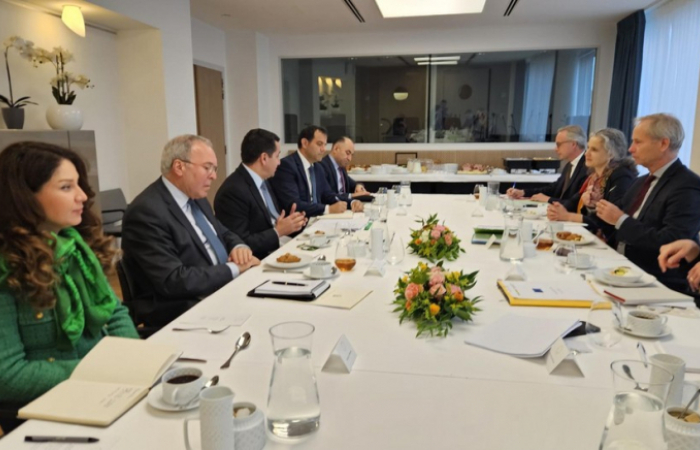
The 6th round of the Security Dialogue between the European Union and Azerbaijan was held in Brussels, the Azerbaijani Ambassador to Belgium and Luxembourg, Head of the Delegation to the EU Vaqif Sadiqov wrote on his page on X.  The meeting was co-chaired by Hikmet Hajiyev, the Assistant of the President of Azerbaijan & Head of the Foreign Policy Department of the Presidential Administration and Olof Skoog, the Deputy Secretary General of the European External Action Service. 
Editor's choice
Opinion
Opinion: Europe’s Super Sunday: Romania’s Surprise, Tight Poland Vote, Far-Right Surge in Portugal

Opinion: Europe’s Super Sunday: Romania’s Surprise, Tight Poland Vote, Far-Right Surge in Portugal

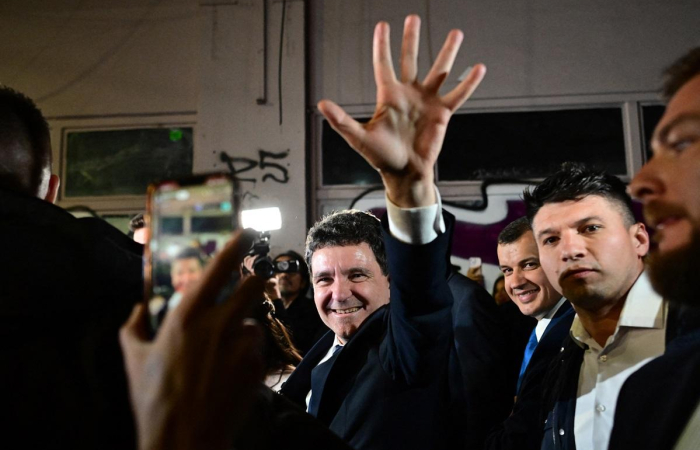
Sunday (18 May) marked a key electoral date in Europe with Romania holding its presidential runoff, and Poland and Portugal voting in the first round of presidential and parliamentary elections, respectively. The results underscored the current political landscape of Europe marked by both the resilience of pro-European Union (EU) forces and the rising influence of right-wing populist movements. This surge of right-wing populism is not a new phenomenon, but part of a trend building over the past 15 years. Sunday's vote should serve as a wake-up call: Europe can no longer afford to hit the snooze button on the rise of right-wing populism.