Theme

Domestic Politics

Stories related to the internal politics of states and various domestic issues. 

Editor's choice
News
Germany accuses Russia of cyberattacks and disinformation campaign

Germany accuses Russia of cyberattacks and disinformation campaign

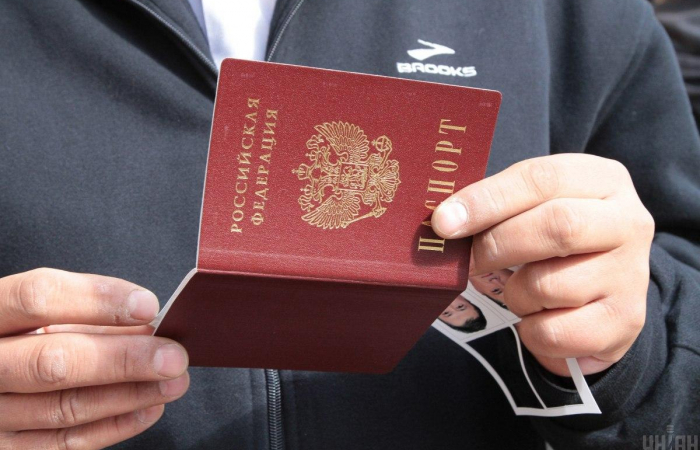
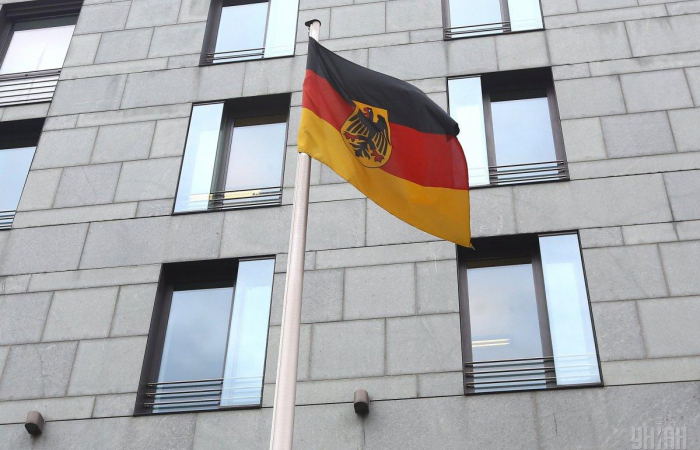
The German government holds Russia responsible for a cyberattack on German air traffic control, and for targeted disinformation campaigns before the last federal election. According to the German Foreign Office in Berlin, the incidents could be clearly attributed to the Russian military intelligence service, the GRU. In response, the Russian ambassador to Berlin was summoned to the Foreign Ministry. "We have been observing a massive increase in threatening hybrid activities by Russia for some time now," a spokesperson for the Foreign Ministry stated. These range from disinformation campaigns and espionage to cyberattacks and sabotage attempts. The aim is to divide society, sow distrust, and undermine confidence in democratic institutions. The spokesperson added that with these actions, Russia is "very concretely threatening our security, not only through its war of aggression against Ukraine, but also here in Germany."  The Foreign Ministry spokesperson explained that the cyberattack on air traffic control in August 2024 was clearly attributed to the hacker collective "APT28," known as "Fancy Bear," and to the responsibility of the Russian military intelligence service, the GRU. Furthermore, it could now be "conclusively stated" that Russia had attempted "to influence and destabilize both the last Federal election and the ongoing internal affairs of the Federal Republic of Germany." There was "absolutely irrefutable evidence" for this". The so-called "Storm 1516" campaign, which has been running since 2024, is allegedly backed by "reliable information" that the Moscow-based think tank "Center for Geopolitical Expertise" is behind it. The Center is also said to be supported by Russian military intelligence. Its primary aim is to influence democratic elections in the West. (Click the image to read more).
Filter archive

Publication date
Editor's choice
Opinion
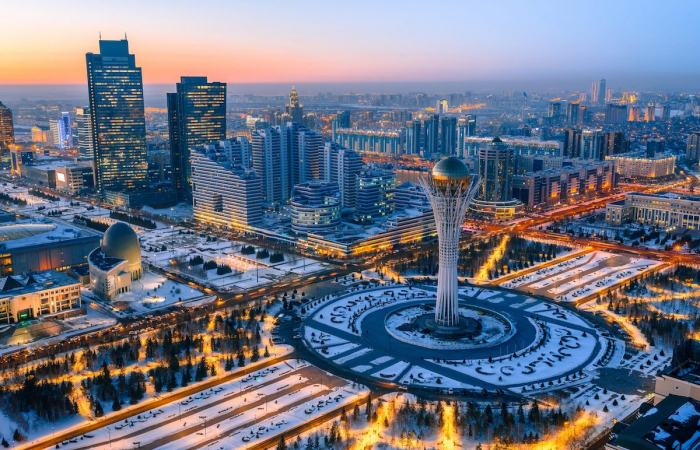
Kazakhstan, Central Asia's giant, is stirring and the Russians are not amused

Kazakhstan, Central Asia's giant, is stirring and the Russians are not amused

Kazakhstan is exploring its options. The government has embarked on a series of reforms, as yet mainly in the economic sphere, although reforms in the governance sector are also inevitable. They include slimming down the bloated state bureaucracy and also slowly re-calibrating Kazakh foreign policy to make it less dependant on Russia. The Russians are not amused, says Dennis Sammut in this op-ed
Editor's choice
Opinion
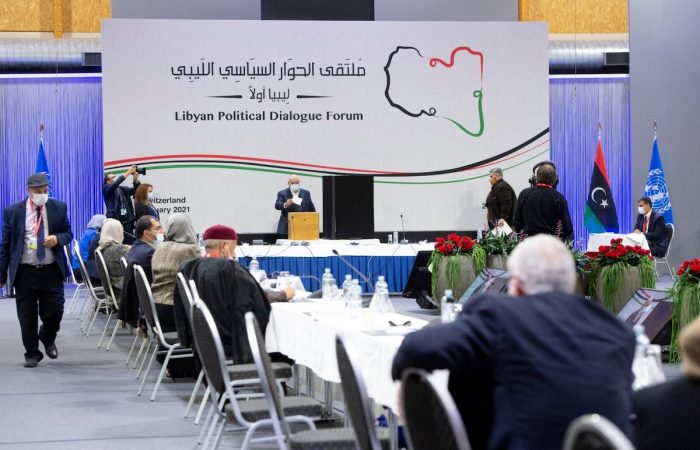
Opinion: It is too early to call the Libya peace process a success

Opinion: It is too early to call the Libya peace process a success

Exhausted by a decade of conflict, Libyans have moved surprisingly fast to implement a peace deal that some thought impossible only a few months ago. Deep-rooted internal divisions, greed among leaders, and the shadow of external patrons, may yet frustrate the quest for peace. 
Editor's choice
News
Conference on the Future of Europe officially launched at Strasbourg event

Conference on the Future of Europe officially launched at Strasbourg event

The European Union's big project of consultation with its citizens kicked off in Strasbourg on 9 May - Europe Day. The Conference on the Future of Europe is meant to provide an opportunity for all EU citizens to participate in the debate on how the EU should be shaped through a series of digital platforms and citizens' panels. Sunday's Strasbourg meeting was filled with big words by EU leaders. There was talk of "a new beginning", the "next generation of Europeans" and "a democratic wind". European Commission president, Ursula Von der Leyen, spoke of the opportunity "to simplify" the EU "and make it more 'down to earth' where necessary".
Editor's choice
Opinion
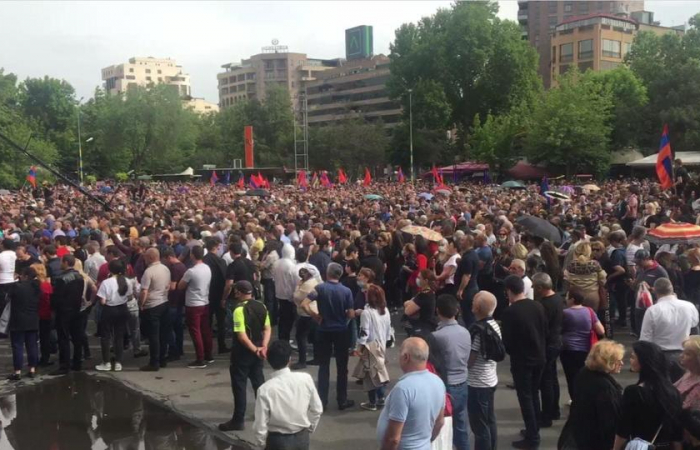
Opinion: “All against all” or “all against Nikol”?

Opinion: “All against all” or “all against Nikol”?

Alliances are being formed between Armenian political parties ahead of the 20 June parliamentary elections. Whilst they all claim to want to oust the current prime minister, Nikol Pashinyan, they are all also busy competing against each other. Despite this, the next Armenian government is likely to be a coalition government, argues Benyamin Poghosyan in this op-ed for commonspace.eu
Editor's choice
Commentary
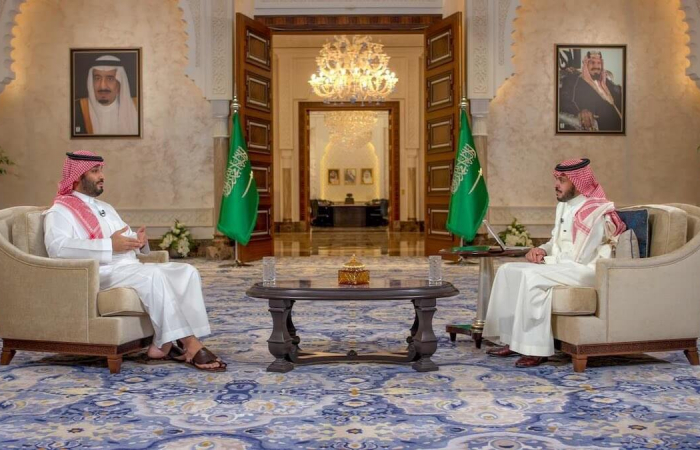
Commentary: Mohammed bin Salman and his quest to reinterpret the relationship between state and religion  in Saudi Arabia

Commentary: Mohammed bin Salman and his quest to reinterpret the relationship between state and religion in Saudi Arabia

In a recent wide-ranging interview Saudi Arabia's Crown Prince, Mohammed bin Salman, appeared to be reinterpreting – if not exactly redefining – the relationship between state and religion in the Kingdom. This is highly dangerous and uncharted territory for a Saudi leader, but something that is absolutely necessary if the Kingdom is to reinvent itself as a modern progressive state, whilst respecting the religious foundations which are part of its legacy and legitimacy.