Theme

Diplomacy

Editor's choice
Opinion
Opinion: With a foot in every camp, Armenia seeks to create a niche for itself through a diversified foreign policy

Opinion: With a foot in every camp, Armenia seeks to create a niche for itself through a diversified foreign policy

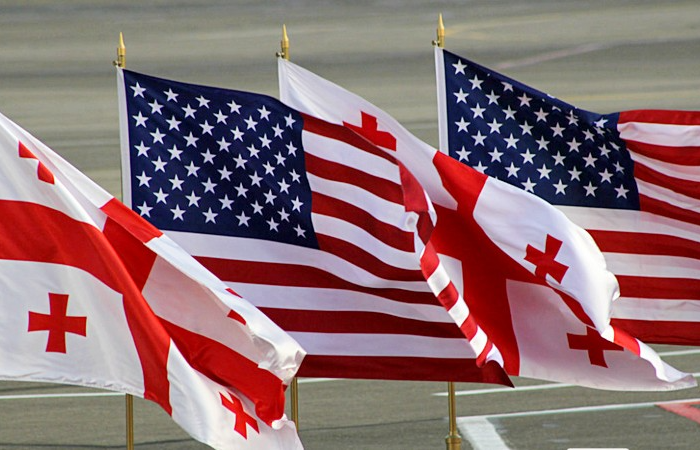
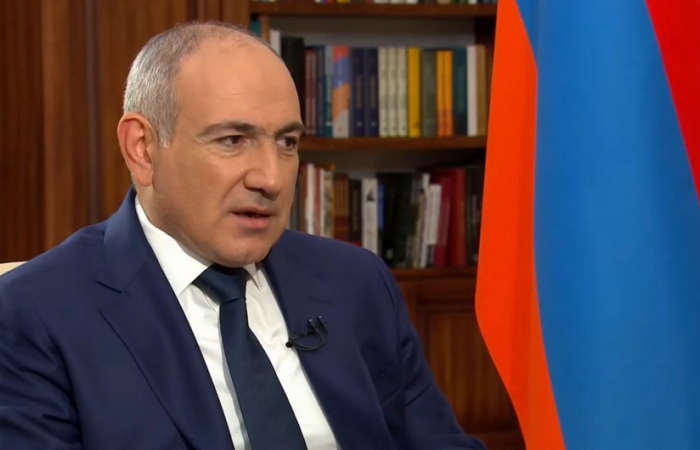
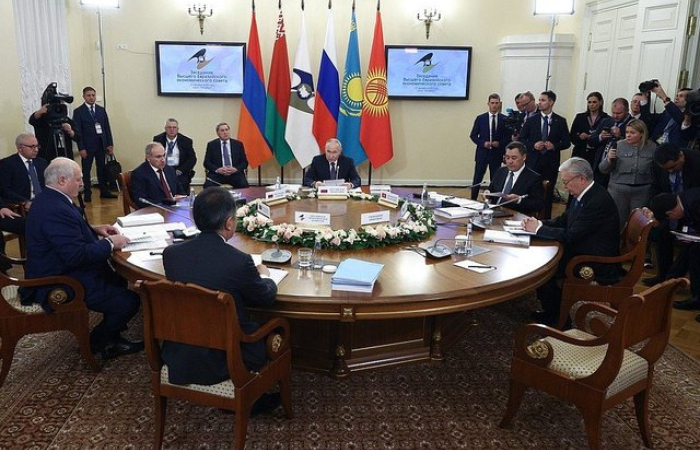
The days when Armenia was considered an outpost of Russia are long gone. Prime Minister Nikol Pashinyan has sought new relations with both the European Union and the United States. Relations with Brussels have peaked to new heights, with even talk of EU membership. And no lobbying by the powerful Armenian diaspora in the US could achieve that historical moment on 8 August in the White House, when Pashinyan and Azerbaijani president Aliyev, not only set the stage for peace between their two countries, but also opened the way for a new relationship with the United States. But Pashinyan has been able to do all this whilst at the same time keeping the relations with Russia warm. Armenia remains an active member of the Russia-led Eurasian Economic Union (EAEU). In December, Pashinyan participated in Eurasian Economic Union (EAEU) meetings in Moscow and St. Petersburg. Johnny Melikyan, Senior Research Fellow at the Orbeli Centre in Yerevan summed up the visit this way: The recent December 2025 visits of Armenian Prime Minister Nikol Pashinyan to Russia highlighted a practical and interest-based stage in Armenian–Russian relations. Rather than symbolism, the agenda was dominated by concrete issues of economic cooperation, connectivity, trade, and participation in Eurasian integration formats. You can read Johnny Melikyan's comment in full by clicking on the image
Filter archive

Publication date
Editor's choice
Opinion
Opinion: Georgia’s Political Crisis Risks Unraveling Its International Relationships

Opinion: Georgia’s Political Crisis Risks Unraveling Its International Relationships

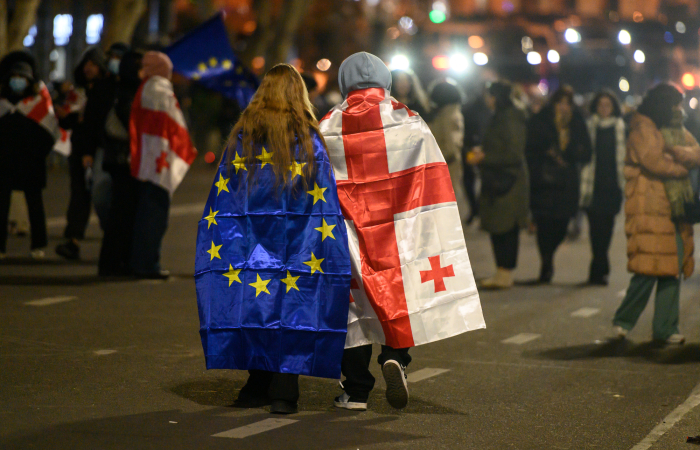
Georgia is once again embroiled in turmoil, its central Rustaveli Avenue literally alight with protests sparked by a wave of political and geopolitical tensions. Following controversial parliamentary elections held 26 October, tensions have escalated, with many citizens accusing the government of pivoting away from the European Union in favour of closer ties with Russia. They demand a new vote.
Editor's choice
News
US expresses support for Georgian people and condemns violence on protesters

US expresses support for Georgian people and condemns violence on protesters

The United States has expressed support for the Georgian people saying that it has been a partner to Georgia and the Georgian people for more than 32 years.  In a statement on Wednesday, Secretary of State Anthony J.Blinken said that the partnership has been rooted in a shared love of freedom and democracy and a desire to see Georgia in the Euro-Atlantic family. 
Editor's choice
Editorial
Editorial: Macron’s state visit to Saudi Arabia highlights shared vision for strategic cooperation

Editorial: Macron’s state visit to Saudi Arabia highlights shared vision for strategic cooperation

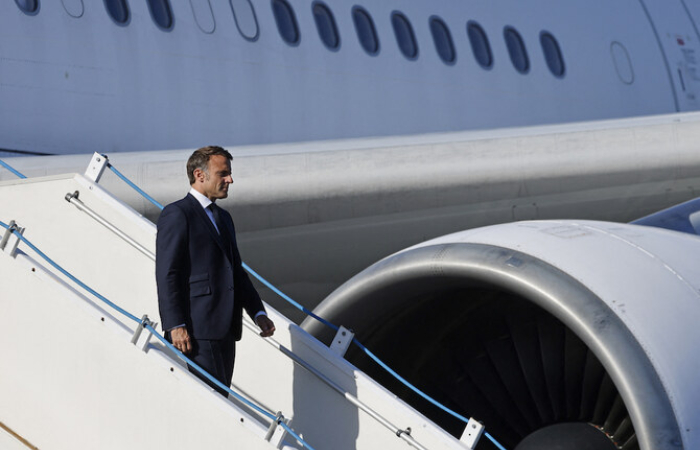
French President Emmanuel Macron’s arrival in Riyadh on Monday for a three-day state visit demonstrates the deepening ties between France and Saudi Arabia. The visit follows an invitation from Crown Prince Mohammed bin Salman and it reflects the shared ambition to enhance cooperation across various sectors in conjunction with both Saudi Vision 2030 and France 2030.
Editor's choice
Opinion
Opinion: The Armenia-Azerbaijan Conflict Has Changed. So Must Civil Society

Opinion: The Armenia-Azerbaijan Conflict Has Changed. So Must Civil Society

Four years after the Second Karabakh War, civil society initiatives between Armenian and Azerbaijan remain arguably less impactful than ever before. On the surface, they appear few and far between, but many are often held in secret. The reason given is often security but that argument is no longer as credible as it was before. Indeed, nearly all projects that do exist remain largely untouched and unhindered. Instead, mirroring the situation before 2020, many Armenian practitioners refused to meet with their Azerbaijani counterparts, especially while Baku still held prisoners and other detainees from the war. That number is significantly less now. Time has passed and there may finally be the realisation that dialogue is the only way forward.
Editor's choice
Opinion
Opinion: An incomplete treaty between Baku and Yerevan will not bring peace

Opinion: An incomplete treaty between Baku and Yerevan will not bring peace

Over the past two years, numerous unofficial deadlines have been set for signing the Armenia-Azerbaijan peace treaty. Until the end of last year, the people of both countries held their breath in anticipation of a breakthrough, encouraged by officials on both sides who deemed an agreement possible. Later, there was significant optimism that the two former adversaries might reach a deal during the United Nations Climate Conference (COP29) which was held on November 11-24 in Baku.
Editor's choice
Opinion
Opinion: Uncertain times for Azerbaijan and Armenia relations

Opinion: Uncertain times for Azerbaijan and Armenia relations

The recent BRICS summit held on 22-24 October in the Russian city of Kazan, featured the first talks in the last few months between the Azerbaijani and Armenian leadership. The countries were represented by President Aliyev and Prime Minister Pashinyan as well as the foreign ministers, Bayramov and Mirzoyan. Pashinyan declared that at the moment “all the matters of principles have been addressed and resolved” by the draft treaty, although Armenia’s chief diplomat Mirzoyan toned his statement a bit down, claiming that the document “is at least 80-90% agreed upon”.
Editor's choice
Opinion
Opinion: Pashinyan proposes partial withdrawal of EUMA from Armenia-Azerbaijan border

Opinion: Pashinyan proposes partial withdrawal of EUMA from Armenia-Azerbaijan border

With the conclusion of the United Nations Climate Change Conference COP29 in Azerbaijan, discussions with Armenia on normalising relations are expected to resume in December. However, it remains uncertain whether an agreement will be reached anytime soon, as past attempts to finalise talks have consistently fallen short. That said, there may now be some clarity regarding the three key issues believed to be preventing a breakthrough. In early November, Farid Shafiyev, Chair of the Centre for Analysis of International Relations (AIR) in Azerbaijan, shared on X what he claims are the specific points left unresolved.
Editor's choice
Analysis
Analysis: China and the South Caucasus

Analysis: China and the South Caucasus

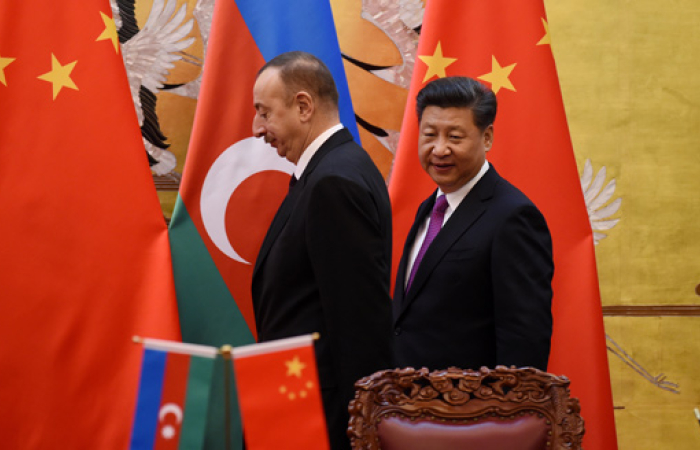
China is a relatively new player in the South Caucasus but has growing interests, particularly in the economic domain. While Beijing established diplomatic ties with Armenia, Azerbaijan, and Georgia in the early 1990s, it largely stayed out of the region’s geopolitics. Armenia acquired Chinese-made WM-80 multiple-launch systems in 1999, but they had little impact on the military balance with Azerbaijan. Chinese economic ties with the South Caucasus began to grow in the early 2000s, driven by the rapid expansion of its economy. Interest in the region deepened after President Xi Jinping announced the Belt and Road Initiative in 2013, with the South Caucasus envisioned as a potential land route connecting China to Europe.
Editor's choice
Opinion
Opinion: Armenia and Azerbaijan again at crossroads as informal COP29 deadline passes

Opinion: Armenia and Azerbaijan again at crossroads as informal COP29 deadline passes

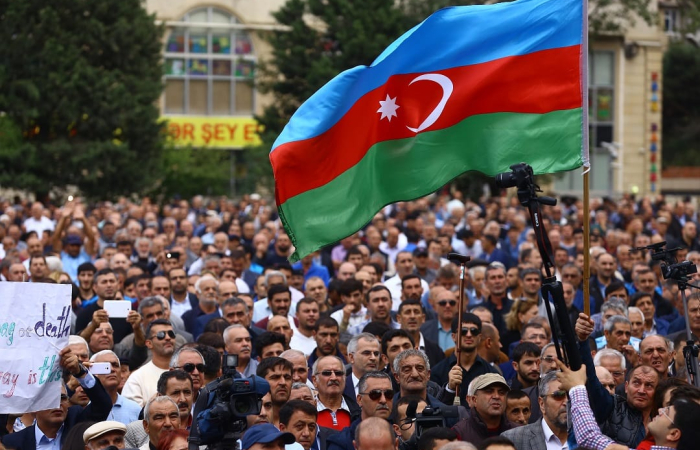
November marks the fourth anniversary of the end of the 2020 Karabakh war. It was also the month considered as an informal deadline for initialling or signing some kind of document ending the conflict between Yerevan and Baku or at least a joint statement cementing points agreed in peace talks to date. Instead, having failed to do so by the time of this month's United Nations Climate Change Conference COP29 in Baku, and with Yerevan effectively shunning the event, Azerbaijan says that negotiations will now resume in December. As usual, Azerbaijan says Armenia must change its constitution. Armenia refuses to do so – or at least not until other constitutional changes are put to referendum still most likely in 2027.