Theme

Diplomacy

Editor's choice
News
Germany accuses Russia of cyberattacks and disinformation campaign

Germany accuses Russia of cyberattacks and disinformation campaign

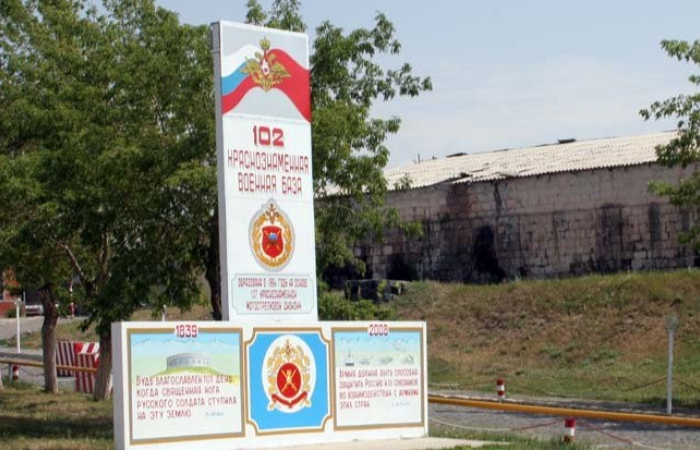
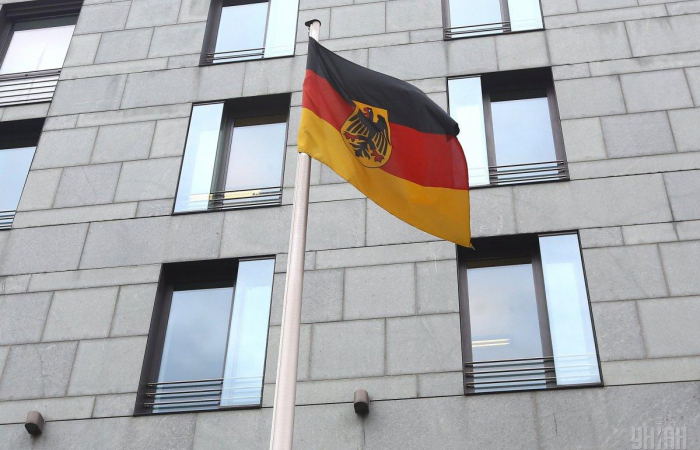
The German government holds Russia responsible for a cyberattack on German air traffic control, and for targeted disinformation campaigns before the last federal election. According to the German Foreign Office in Berlin, the incidents could be clearly attributed to the Russian military intelligence service, the GRU. In response, the Russian ambassador to Berlin was summoned to the Foreign Ministry. "We have been observing a massive increase in threatening hybrid activities by Russia for some time now," a spokesperson for the Foreign Ministry stated. These range from disinformation campaigns and espionage to cyberattacks and sabotage attempts. The aim is to divide society, sow distrust, and undermine confidence in democratic institutions. The spokesperson added that with these actions, Russia is "very concretely threatening our security, not only through its war of aggression against Ukraine, but also here in Germany."  The Foreign Ministry spokesperson explained that the cyberattack on air traffic control in August 2024 was clearly attributed to the hacker collective "APT28," known as "Fancy Bear," and to the responsibility of the Russian military intelligence service, the GRU. Furthermore, it could now be "conclusively stated" that Russia had attempted "to influence and destabilize both the last Federal election and the ongoing internal affairs of the Federal Republic of Germany." There was "absolutely irrefutable evidence" for this". The so-called "Storm 1516" campaign, which has been running since 2024, is allegedly backed by "reliable information" that the Moscow-based think tank "Center for Geopolitical Expertise" is behind it. The Center is also said to be supported by Russian military intelligence. Its primary aim is to influence democratic elections in the West. (Click the image to read more).
Editor's choice
Opinion
Opinion: A sustainable peace requires consistent long-term European involvement

Opinion: A sustainable peace requires consistent long-term European involvement

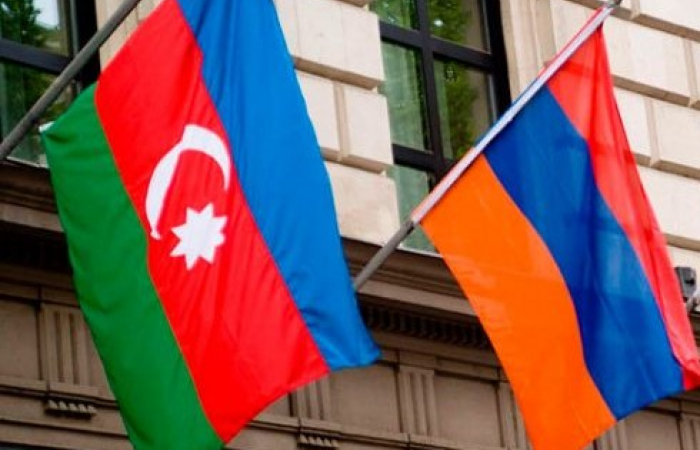
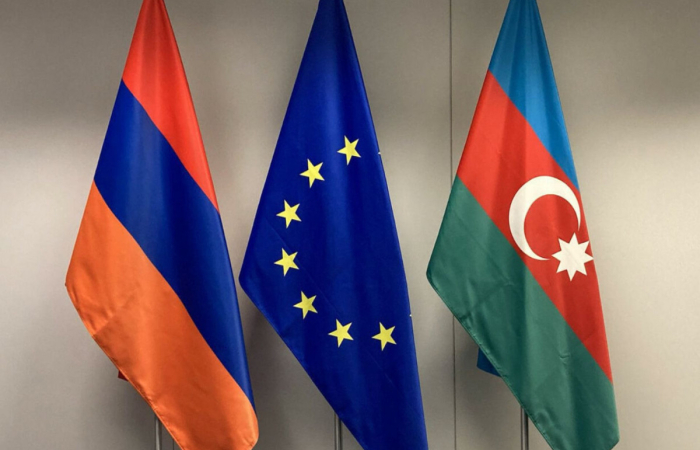
There is no denying that the EU, especially key member states acting in support, helped bring Baku and Yerevan closer to the Washington Declaration of August 8, 2025. But a declaration is not a treaty. Turning principles into a peace deal and eventually to a sustainable peace requires consistent long-term European involvement, writes Yalchin Mammadov in this-op-ed for commonspace.eu Before facilitating trust between Armenia and Azerbaijan, the EU is first expected to address its own credibility gap with Baku. A more balanced approach—such as including Azerbaijan, alongside Armenia, in the European Peace Facility—could be a useful first step. Diplomats can negotiate peace; societies must build peace. In this context, the EU can do what it does the best: long-term societal engagement. By expanding youth and academic exchange programmes, investing in cross-border civil society initiatives, and fostering people-to-people cooperation, Brussels can help shape a new generation equipped to sustain peace beyond political cycles. Such tools are slow and unglamorous, but if ignored, even the strongest treaty risks collapse. And obviously, these aspects require two-way engagement and genuine willingness by both governments to facilitate contact. If Brussels wants to remain influential, it needs to replace outdated one-size-fits-all policies with ambitious, interest-driven and differentiated approaches. Without a clear regional strategy, which appears to be the current situation, the South Caucasus will continue to sit at the margins of Europe’s security architecture—leaving space for other powers to take the lead. (You can read the op-ed in full by clicking the image.)

Filter archive

Publication date
Editor's choice
News
Historic moment in Washington as Armenia and Azerbaijan end decades of conflict and open the door for a new era

Historic moment in Washington as Armenia and Azerbaijan end decades of conflict and open the door for a new era

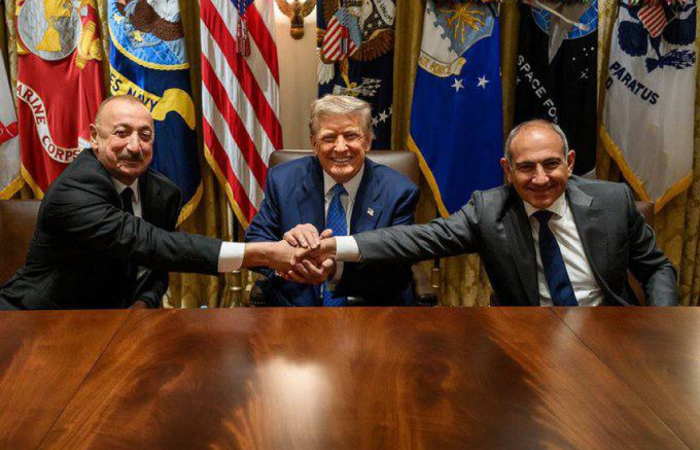
Armenia and Azerbaijan have ended decades of conflict between them, and opened the door for a new era for them, and for the entire South Caucasus. In a historic meeting in Washington DC, facilitated by US President, Donald Trump, the two sides initialed the Peace Agreement between them that has been under discussion for a long time. The agreement still has to be signed and ratified. The two side also issued a joint declaration which was signed by the two leaders, and countersigned by the US president, as witness. The document emphasised the importance of sustainable peace between the two countries. commonspace.eu political editor said in a comment that the Washington meeting took a long time in coming, and many had started wondering if the leaders of Armenia and Azerbaijan had the political will and stamina to bring peace to the region, but in the end, with a bit of nudging by president Trump they did it. Congratulations to all concerned. In many ways, the work starts now, and Armenian and Azerbaijani societies must be involved and must make their contribution so that the Washington agreements can be successfully implemented .
Editor's choice
News
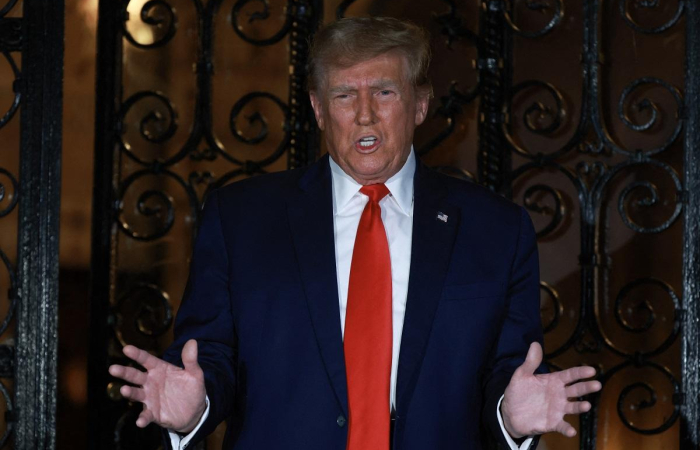
Trump says  Armenia and Azerbaijan will today sign peace agreement

Trump says Armenia and Azerbaijan will today sign peace agreement

​ US president Donald Trump has said that Armenia and  Azerbaijan will today sign a peace agreement. "President Aliyev and Prime Minister Pashinyan will join me at the White House for the official signing ceremony of the peace agreement," Trump wrote on the Truth Social social network. The US president said he was looking forward to hosting Azerbaijani President Ilham Aliyev and Armenian Prime Minister Nikol Pashinyan at the White House. "These two nations have been at war for a long time, resulting in the deaths of thousands of people. Many leaders have tried to end the war, but to no avail," he said. ​
Editor's choice
News
US - Russia Summit to be held next week to discuss war in Ukraine

US - Russia Summit to be held next week to discuss war in Ukraine

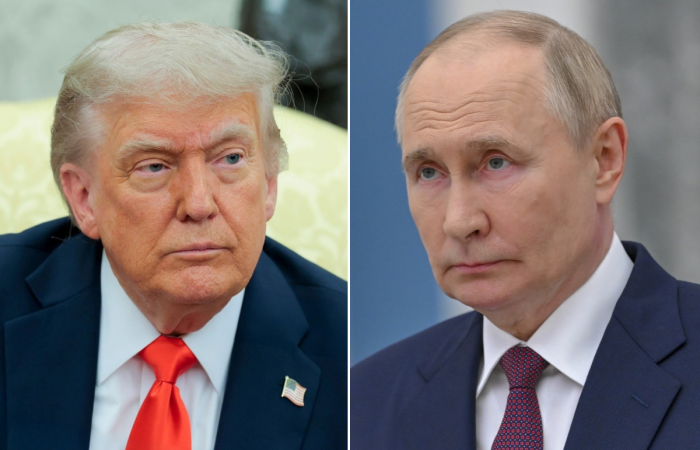
A meeting between Russian President Vladimir Putin and U.S. President Donald Trump has been agreed, a Kremlin official said on Thursday 7 August, the eve of a White House deadline for Moscow to show progress toward ending the 3-year-old war in Ukraine. Putin’s foreign affairs adviser Yuri Ushakov, quoted by AP, said a summit could possibly take place next week at a venue that has been decided “in principle.” Next week is the target date for a summit, Ushakov said, while noting that such events take time to organise and no date is confirmed. The possible venue will be announced “a little later,” he said.
Editor's choice
Opinion
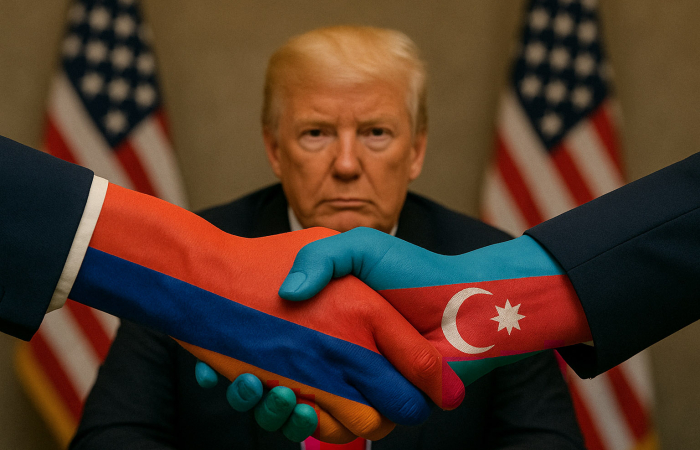
Trump Hosts Aliyev and Pashinyan but Peace Requires More Than Handshakes

Trump Hosts Aliyev and Pashinyan but Peace Requires More Than Handshakes

As diplomatic efforts to resolve the long-running conflict between Armenia and Azerbaijan once again make headlines, the real challenge lies not in high-level meetings or momentary gestures, but in the unfortunate disconnect between the elites and the populations they represent. For almost thirty years, press release after press release declared that talks inched towards peace. Hopes were premature. The sides will next month mark the anniversary of the last war fought five years ago.
Editor's choice
News
Trump aims to bring Azerbaijan, Central Asian nations into Abraham Accords

Trump aims to bring Azerbaijan, Central Asian nations into Abraham Accords

US President Donald Trump's administration is actively discussing with Azerbaijan the possibility of bringing that nation and some Central Asian allies into the Abraham Accords, hoping to deepen their existing ties with Israel, according to five sources with knowledge of the matter who spoke to Reuters. As part of the Abraham Accords, inked in 2020 and 2021 during Trump's first term in office, four Muslim-majority countries agreed to normalise diplomatic relations with Israel after U.S. mediation.