Theme

Defence

Stories related to defence, strategy and cooperation. 

Editor's choice
Analysis
Mehman Aliyev on what "peace" can look like for Ukraine

Mehman Aliyev on what "peace" can look like for Ukraine

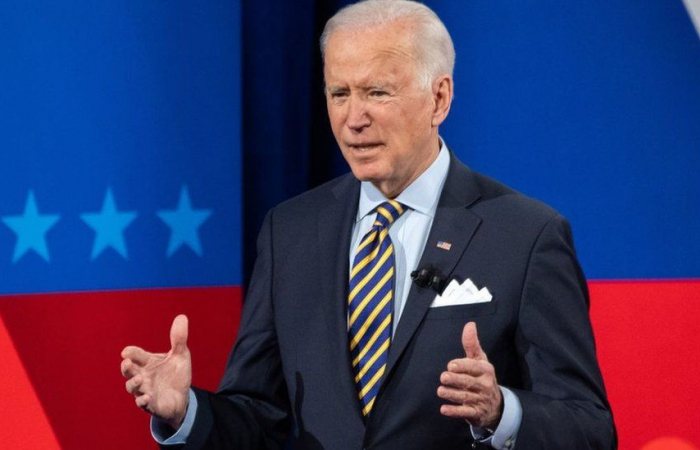
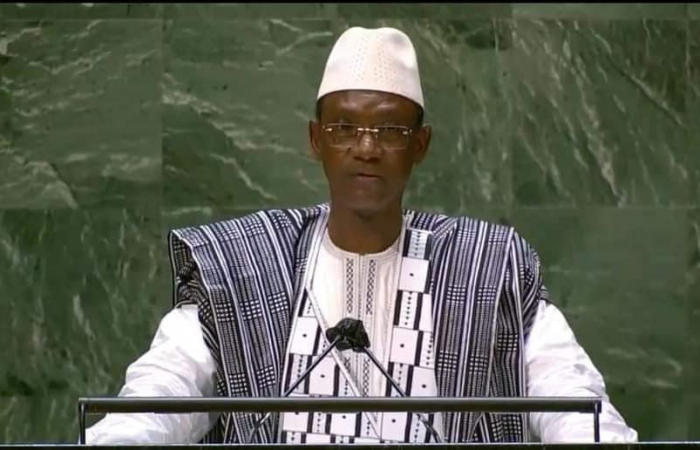
In this analysis,  veteran Azerbaijani journalist and political commentator, Mehman Aliyev, draws lessons from the 1994 Armenia-Azerbaijan ceasefire, to assess what can be possible impact of ceasefire in Ukraine. According to diplomats, a negotiating format or a partial ceasefire based on a modified version of the twenty-eight points is entirely plausible in 2026. A frozen line of contact, monitored by international mechanisms while talks drag on, is more likely than a fully implemented peace treaty by early that same year. “This document opens a window,” said political commentator Farid Gakhramanov. “Whether it means the end of the war or the beginning of a new frozen conflict will depend on the decisions of Moscow, Kyiv, Washington, and Brussels — not on the document itself.” (You can read the full analysis by clicking the image)
Editor's choice
News
Germany will soon have the largest conventional army in Europe, but there will be no conscription

Germany will soon have the largest conventional army in Europe, but there will be no conscription

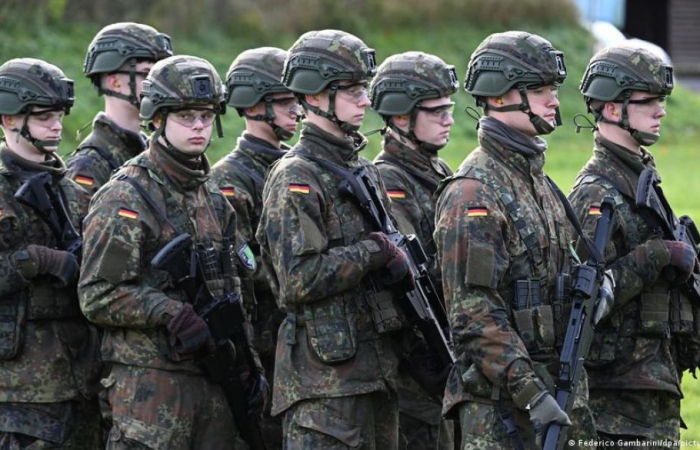
The Bundeswehr currently has around 182,000 troops. The new military service model aims to increase that number by 20,000 over the next year, rising to between 255,000 and 260,000 over the next 10 years, supplemented by approximately 200,000 reservists. From next year, all 18-year-old men and women will be sent a questionnaire to assess their interest and willingness to join the armed forces. It will be mandatory for men and voluntary for women. From July 2027 all men aged 18 will also have to take a medical exam to assess their fitness for duty. If the government's targets are not met, a form of compulsory enlistment could be considered by parliament. If war were to break out, the military would be able to draw on the questionnaires and medical exams for potential recruits. Defence Minister Boris Pistorius said despite the new military service plan there was "no cause for concern... no reason for fear". "The more capable of deterrence and defence our armed forces are, through armament through training and through personnel, the less likely it is that we will become a party to a conflict at all," Pistorius said. Defence spending in Germany tumbled after the end of the Cold War, while conscription was suspended in 2011. Given its past, Germany has long been shy of showing military might, but earlier this year Friedrich Merz announced that the rule for German defence "now has to be whatever it takes", following Russia's full-scale invasion of Ukraine. Around 300,000 young men per year will be affected. The defense minister argues that this is the only way for the Bundeswehr to get an idea of who could be called up in the event of a conflict.

Filter archive

Publication date
Editor's choice
Opinion
Opinion: In the South Caucasus, Tehran has its red lines too

Opinion: In the South Caucasus, Tehran has its red lines too

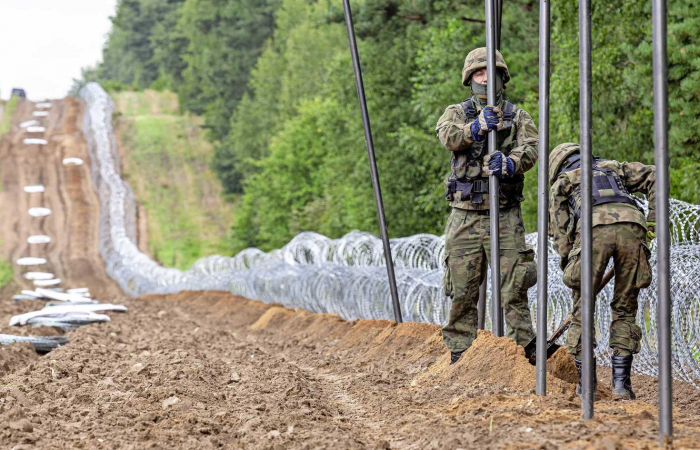
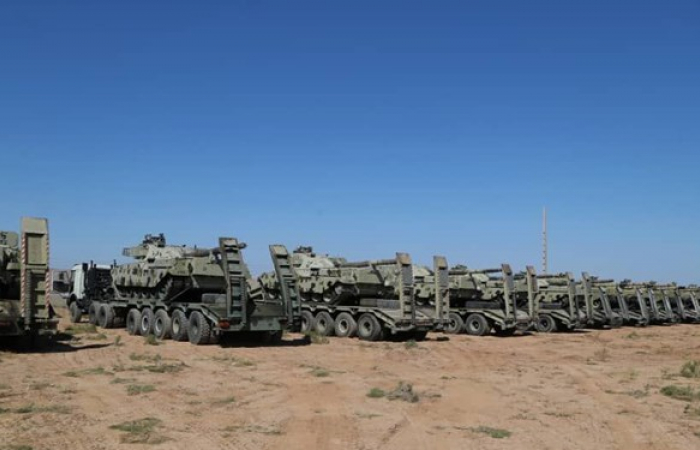
For 30 years, Iran has adopted a cautious approach to developments in the South Caucasus, wary of the risk of encirclement. Iran's current massive military drills on the border with Azerbaijan are meant to send a signal that Tehran has its red lines too, argues Benyamin Poghosyan in this op-ed for commonspace.eu
Editor's choice
News
Greece buys three frigates from France for 3 billion euro

Greece buys three frigates from France for 3 billion euro

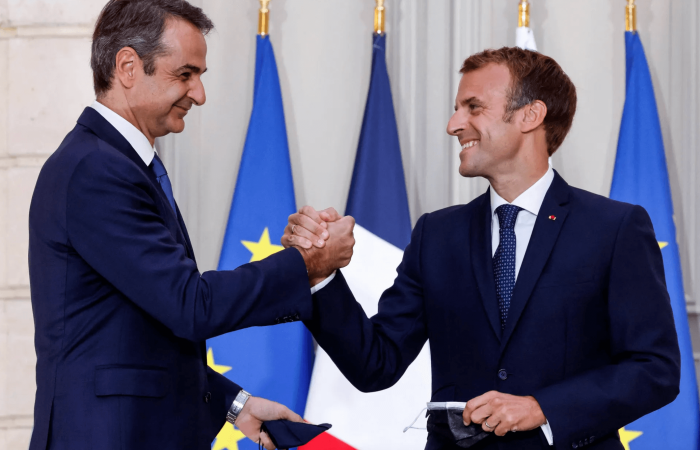
The deal, signed by Greek prime minister Mitsotakis and French president Macron, is partly intended to promote European military cooperation. France in particular is pushing for more cooperation at the European level to improve Europe's position vis-à-vis the United States and China. According to Macron, the agreement contributes, among other things, to European peace and security, Mitsotakis said the deal would connect the two countries "for decades to come".
Editor's choice
Opinion
Opinion: For the EU strategic autonomy is as yet only an aspiration, but one worth pursuing

Opinion: For the EU strategic autonomy is as yet only an aspiration, but one worth pursuing

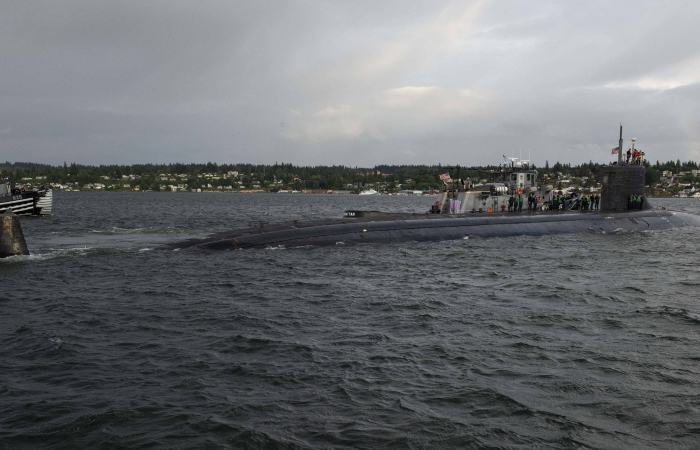
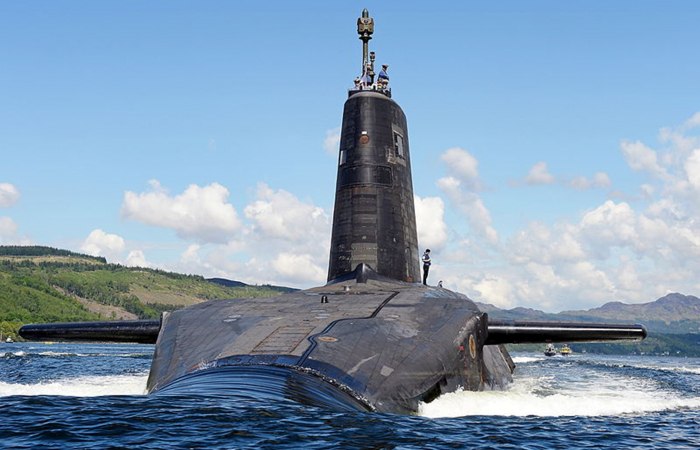
The establishment of AUKUS, and subsequent submarine dispute, has exposed once more the EU's strategic vulnerability. At present the EU has no common foreign policy and no European armed forces capability, and strategic autonomy remains an illusion. But it is not a wrong goal to pursue, argues Maximiliaan van Lange in this op-ed.