


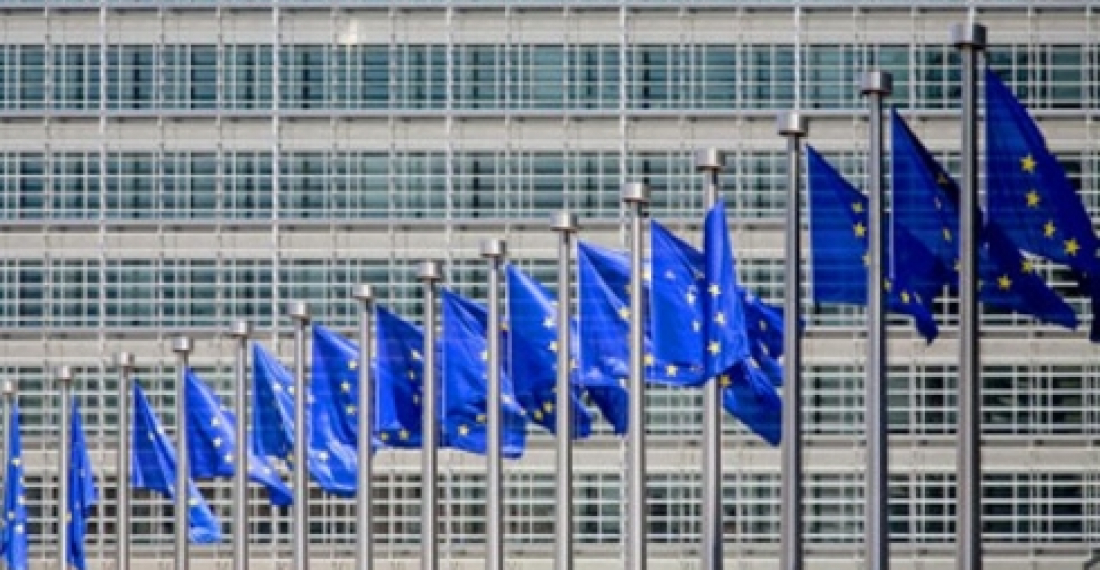
The EU's annual report on the implementation of its Neighbourhood Policy (ENP) shows a mixed picture. Although 2013 has been a year of crises in some of its partners, reflecting political instability and difficult socio-economic conditions, the EU has continued to support efforts to enhance democratic governance, build security and support sustainable and inclusive development. Crucial political and economic reforms were implemented in several countries of the Neighbourhood while in other countries, democratic reforms and economic recovery achieved in previous years were threatened by national and regional security challenges.
The ENP, with all its policy instruments, remains the framework within which the EU works with its partners towards establishing democracy, strengthening sustainable and inclusive economic development, and building security.
The "ENP annual package" presented by Catherine Ashton, EU High Representative for Foreign Affairs and Security Policy/Commission Vice-President and Štefan Füle, EU Commissioner for Enlargement and Neighbourhood Policy, underlines that the success of the policy is dependent on the ability and the commitments of governments to reform.
"Engagement with our neighbours is an absolute priority for the EU. The European Neighbourhood Policy allows us to respond to the challenges our partners face while safeguarding the EU's interests. It aims to prevent and resolve conflicts and it provides incentives for our neighbours to move towards political and economic reforms," said Catherine Ashton upon the publication of the package.
Reports show that the challenges faced by partner countries are becoming more and more diverse. This requires the policy to respond better to the current expectations and needs of each partner and, at the same time, offering a vision for their economic integration and political association with the EU in the long term.
EU Commissioner Štefan Füle added: "Events over recent months have demonstrated that our neighbourhood remains a region where the EU needs to focus its attention and resources. Popular aspirations for a better life and for enjoying basic human rights and fundamental freedoms remain strong. And while willingness to reform cannot be imposed from outside, the EU has a special responsibility to support those partners that are engaged in the difficult and demanding path of transition towards democracy and more inclusive societies". By engaging directly with people, opening travel and study opportunities for citizens, and promoting networking between communities (business, research, universities, arts, culture, etc.), in addition supporting civil society, EU policy can act as a catalyst in this process."
On Armenia the report says:
Political dialogue with the Armenian Government was intensive in 2013. The EU and Armenia completed negotiations on an Association Agreement (AA), including a Deep and Comprehensive Free Trade Area (DCFTA), in July 2013, but could not proceed with its initialing, following Armenia's decision to apply to join the Customs Union with Russia, Belarus and Kazakhstan. Armenia and the EU remained nevertheless committed to further cooperation as they jointly stated in the margins of the Vilnius Summit.
Visa Facilitation and Readmission Agreements were both ratified in 2013 and entered into force on 1 January 2014. While Armenia continued to address issues related to human rights and fundamental freedoms, further work remains necessary, especially as regards the implementation and enforcement of legislation. The February 2013 presidential elections were generally well-administrated notwithstanding concerns about the integrity of the electoral process. Despite ongoing reforms, public mistrust of the judicial system remained high and there was a lack of convincing results in the fight against corruption, including in police and judiciary. Allegations of use of torture and ill-treatment in police custody were reported.
Read more on the report on Armenia in english here
On Azerbaijan the report says:
2013 was a decisive year in EU-Azerbaijani bilateral relations. Azerbaijan's participation in the Eastern Partnership Summit in Vilnius, which coincided with the signing of the Visa Facilitation Agreement and the Mobility Partnership, underlined the potential to further develop EU/Azerbaijani relations. Negotiations continued on the Association Agreement and on a Strategic Modernisation Partnership. On energy issues, the cooperation continued. The Strategic Energy Partnership with Azerbaijan was strengthened; steps were taken in view of the construction of the Southern Gas Corridor which should reinforce the European energy security.
However, in contrast very little progress was seen on democratic governance and human rights reform. The organisation of presidential elections raised serious concerns. Significant problems were identified, including limitations in the freedom of expression, assembly and association that did not guarantee a level playing field for candidates.
Read more on the report on Azerbaijan in english here.
On Georgia the report says:
Political dialogue between the EU and the Georgian Government was intensive in 2013. The EU and Georgia completed the negotiation of an Association Agreement, including the Deep and Comprehensive Free Trade Area (DCFTA) in July. The Association Agreement was initialed in November at the Eastern Partnership Summit in Vilnius. Also in Vilnius the EU and Georgia took an important step forward on Common Security and Defence Policy (CSDP) cooperation with the signature of the Framework Participation Agreement. In December 2013, the EU and Georgia signed a protocol to the Partnership and Cooperation Agreement on a framework agreement for the participation of Georgia in EU programmes. Georgia also made significant progress in implementing visa facilitation and readmission agreements, and continued to implement reforms in areas related to mobility in a secure environment.
Georgia acted on most of the key recommendations in last year's ENP progress report. It delivered presidential elections in line with international standards. It continued to reform the justice system and advanced sectoral reforms and regulatory approximation to the EU acquis. It actively participated in the Geneva discussions and took measures to improve the living conditions of internally displaced persons (IDPs), with the support of the EU; it also renewed its commitment to a genuine engagement with the breakaway regions.
Read more on the report on Georgia in english here
source: commonspace.eu with the press Service of the European Commission.



