Filter archive

Publication date
Editor's choice
Opinion
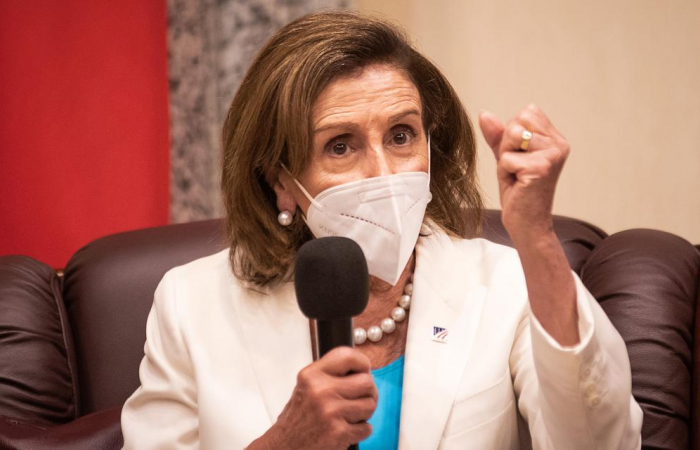
Opinion: The future of the China-US-Russia triangle after Pelosi's visit to Taiwan

Opinion: The future of the China-US-Russia triangle after Pelosi's visit to Taiwan

Since February 24, 2022, the international community's focus was concentrated entirely on the war in Ukraine and the growing Russia – West confrontation. It seemed that nothing could change the situation until the end of hostilities in Ukraine. However, on August 2 and 3, almost everyone’s attention shifted from Ukraine to Taiwan. As the Speaker of the US House of Representatives, Nancy Pelosi, stated her intention to visit Taiwan, up to half a million people were watching the trajectory of her plane on air flight tracking sites. The negative reaction of China, including the warning of President Xi during his conversation with President Biden that those who played with fire would be perished by it, created hype around this visit. Many were discussing the possibility of Chinese military jets closing the airspace over Taiwan and preventing Pelosi’s plane from landing in Taiwan, while some enthusiasts were even contemplating the possibility of a US-China direct military clash. As Pelosi landed in Taiwan and met with the Taiwanese President, the global social media was full of amateur assessments about the strategic victory of the US and the confirmation of the US global hegemony. However, as the dust settles down, and information noise and manipulation eventually decreases, a more serious assessment is needed to understand the real consequences of this visit.
Editor's choice
News
Ukraine Peace Talks Set to Expand as Russia and Europe Clash Over Post-war Security

Ukraine Peace Talks Set to Expand as Russia and Europe Clash Over Post-war Security

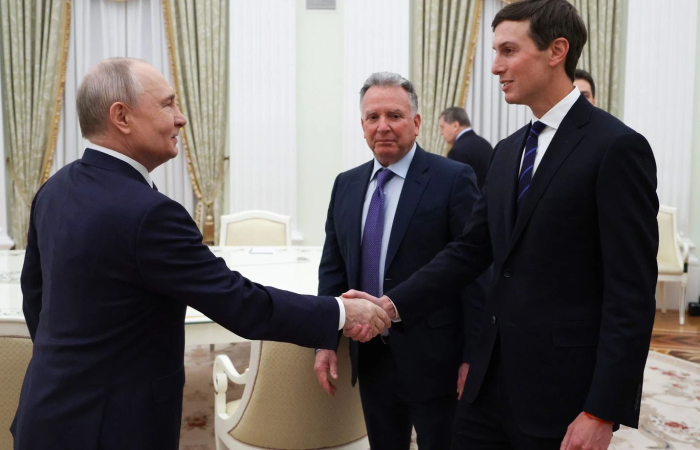
Ukraine and Russia could see European countries join the next round of peace negotiations, following talks between US special envoys Steve Witkoff and Jared Kushner and Russian President Vladimir Putin in Moscow on Thursday (November 12). However, conflicting positions over European military involvement, Ukraine’s territorial future and the continent’s security arrangements highlight the difficulties facing the diplomatic process. Speaking after the meeting, Witkoff said European participation would be an important development, describing the countries concerned as key partners. Kushner also indicated that Washington had noticed a shift in European attitudes and believed their involvement would not obstruct progress. In a statement published on X, he said the expanded discussions would address broader European security arrangements alongside territorial disputes between Russia and Ukraine. The US envoys subsequently travelled to Dublin, where they met Ukrainian President Volodymyr Zelenskyy during a European summit. Zelenskyy welcomed the possibility of European participation and expressed hope that the negotiations would include measures to reduce tensions and establish ceasefires. He also reiterated the importance of European representation in decisions concerning the continent’s security. Moscow, however, has offered a more cautious interpretation of the proposed expansion. Putin's aide, Yuri Ushakov, suggested that European countries should first reconsider their military assistance to Kyiv, arguing that their current actions demonstrated an unwillingness to pursue peace. Putin similarly called on Washington to work with its European allies to establish whether they genuinely wanted peace or continued confrontation with Russia. The Russian president also rejected the prospect of European peacekeeping troops being deployed to Ukraine following a potential agreement, describing such a presence as a continuation of the war. His position reflects wider disagreements over the future European security architecture, with Moscow seeking discussions on the continent's broader security arrangements, while European leaders insist that such negotiations cannot replace a settlement of the war. Simultaneously, Zelenskyy raised concerns about disruptions to Starshield, the US-made satellite communications service used by Ukrainian forces. He described Washington’s discussions with Moscow about Europe's future security as unusual and warned against decisions that could undermine Ukraine's sovereignty. Despite the diplomatic activity, fighting continued. Russian drone attacks killed two people in Ukraine's Sumy region and injured five in Rivne, while a separate attack in Russia's Belgorod region killed one person and injured four. Ukrainian agricultural company Kernel Holding also suspended operations at all its oilseed extraction facilities following repeated Russian attacks.
Editor's choice
News
Azerbaijan and UK sign Joint Declaration on Strategic Partnership

Azerbaijan and UK sign Joint Declaration on Strategic Partnership

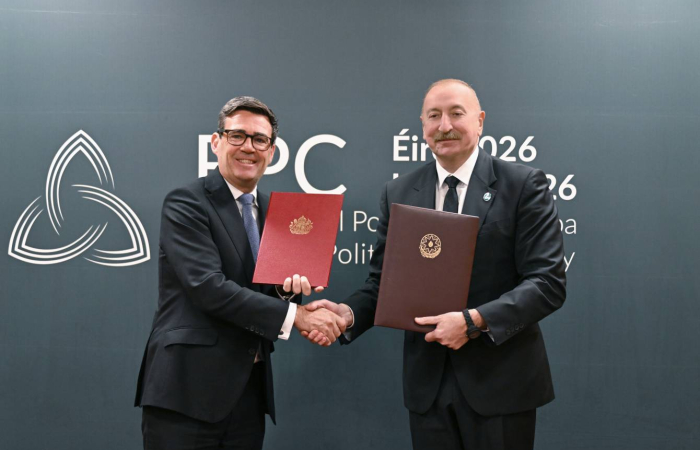
On November 12, President of the Republic of Azerbaijan Ilham Aliyev met with Prime Minister of the United Kingdom of Great Britain and Northern Ireland Andy Burnham in Dublin. They first exchanged the “Joint Declaration on Strategic Partnership between the Republic of Azerbaijan and the United Kingdom of Great Britain and Northern Ireland.” During the conversation, it was emphasized that the adoption of the Declaration would formally elevate relations between the two countries to a qualitatively new level. They noted that even before the adoption of the document, relations between Azerbaijan and the United Kingdom of Great Britain and Northern Ireland had already been characterized by a strategic partnership. Touching upon more than 30 years of successful energy cooperation between the two countries, the head of state said that the United Kingdom is the largest European investor in Azerbaijan. The sides noted that broad opportunities also exist for cooperation in renewable energy, high technologies and artificial intelligence. In this regard, the two leaders highlighted the importance of high-level official visits from the United Kingdom to Azerbaijan and discussions held in recent months. The meeting also included an exchange of views on issues on the international agenda.
Editor's choice
News
Armenian prime minister opens first UK-Armenia Business Forum

Armenian prime minister opens first UK-Armenia Business Forum

Armenian prime minister, Nikol Pashinyan, opened the "Armenia–United Kingdom Business Forum 2026," which is being held in Yerevan for the first time. The Prime Minister Pashinyan delivered a speech and welcomed the attendees, emphasizing that holding the forum is a logical step following the signing of the memorandum establishing a strategic partnership between Armenia and the United Kingdom this May: "After establishing such a partnership, the primary question that arises for governments is: how do we turn that political will, expressed through adopted documents, into reality? And the most effective way to solve this problem is to make the political substance discussed between governments a part of everyday life. Conferences like this serve precisely that purpose: to fill the space opened up by governments with real life''. Turning to the economy and business, Nikol Pashinyan noted that experience shows that individuals unconstrained by the specific scope of governmental or other official duties are better at identifying opportunities and prospects. In this context, the country's leader expressed hope that the ideas raised during the conference discussions would advance to the next stage of development and materialize into concrete agreements. ''Overall, it is evident that the Republic of Armenia and our region are undergoing a transformation linked to the peace established between Armenia and Azerbaijan and the developments stemming from it. We are currently working on a daily basis to launch the implementation of the TRIPP project on the ground—an initiative that will undoubtedly serve as a cornerstone for transforming the economic landscape not only of the Republic of Armenia but of the entire region. It is already the case, as we are currently witnessing a certain level of investment-related activity surrounding Armenia; it is clear that this project will, in turn, generate new projects, and the investment appeal of Armenia and our region will strengthen," the Prime Minister said, adding that in the near future, alongside developments in the TRIPP project, the opening of the Armenia-Türkiye border is expected, as well as the opening of railway connections between Armenia and Azerbaijan and between Armenia and Türkiye. (Click image to read more),
Editor's choice
News
Russia and Ukraine Agree to Major Prisoner Exchange as Abu Dhabi Peace Talks Make Limited Progress

Russia and Ukraine Agree to Major Prisoner Exchange as Abu Dhabi Peace Talks Make Limited Progress

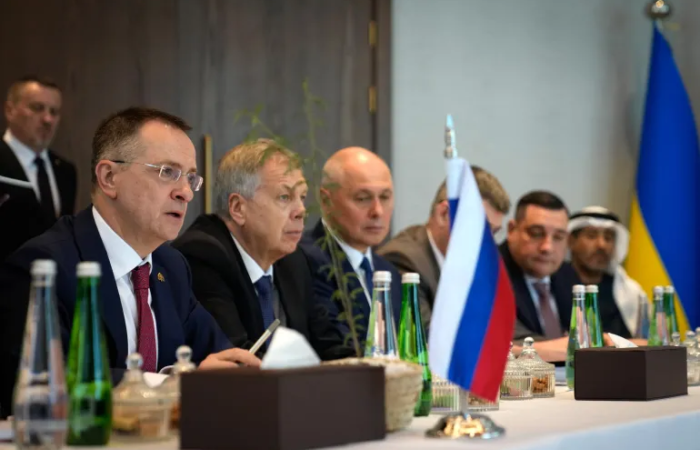
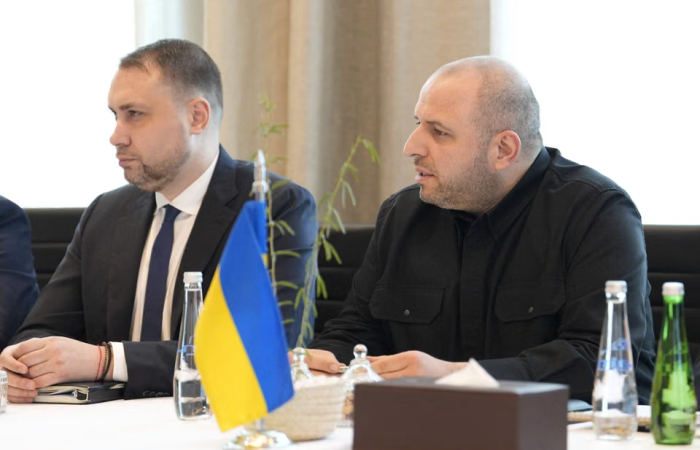
Russia and Ukraine agreed to what US envoy Jared Kushner described as the largest prisoner exchange of the war following two days of US-mediated negotiations in Abu Dhabi on November 10–11. However, the discussions produced limited progress towards a broader peace agreement, with territorial disputes and disagreements over Europe’s security architecture remaining unresolved. The trilateral talks, led by US President Donald Trump’s envoys Kushner and Steve Witkoff, brought together senior Russian and Ukrainian delegations for the first negotiations of this format since February. The proposed humanitarian exchange could involve 1,000–1,200 prisoners from each side, although the final figures had yet to be confirmed. Kushner said the agreement could help reunite families, build trust and generate momentum towards peace. Ukrainian negotiator David Arakhamia described the discussions as difficult, citing the Russian delegation’s “very, very strict directives”. Nevertheless, he reported progress on security guarantees for Ukraine, expressing hope that an agreement could be reached before the end of the year. Ukrainian delegation head Rustem Umerov similarly acknowledged that substantial work remained but said opportunities existed to continue negotiations. Territorial disagreements remained a major obstacle. Moscow continues to demand control over the entirety of the Donbas, including territories held by Kyiv, as well as additional areas in southern Ukraine. Russia’s chief negotiator, Vladimir Medinsky, reiterated Moscow’s position, stating that “every inch of our land will be returned to Russia”. Kyiv, meanwhile, maintains that a ceasefire should precede negotiations over territorial arrangements. Disagreements also extended to the future of European security. Medinsky called for a “new, modern Yalta”, referring to the 1945 settlement between the Allied powers, and argued that negotiations should address the wider European security order. European governments have expressed concern that Washington and Moscow could discuss arrangements affecting NATO’s presence in eastern Europe without their participation. Representatives from Britain, France, Germany, Italy, NATO and the EU attended meetings alongside the Abu Dhabi negotiations, although they did not participate directly in the trilateral discussions. On Thursday (November 12), Kushner and Witkoff arrived in Moscow for discussions with Russian President Vladimir Putin. They are subsequently expected to travel to Dublin to meet Ukrainian President Volodymyr Zelenskyy and European partners. Zelenskyy, who expressed hope for a possible diplomatic opening before 2027, stressed the importance of obtaining concrete proposals from Washington. Meanwhile, military operations continued alongside diplomatic efforts. Russia launched drone attacks against Kyiv and other Ukrainian regions, while Ukraine struck the Ust-Luga port in Russia’s Leningrad region, a significant hub for Russian energy exports. Russia and Ukraine agreed to what US envoy Jared Kushner described as the largest prisoner exchange of the war following two days of US-mediated negotiations in Abu Dhabi on November 10–11. However, the discussions produced limited progress towards a broader peace agreement, with territorial disputes and disagreements over Europe’s security architecture remaining unresolved. The trilateral talks, led by US President Donald Trump’s envoys Kushner and Steve Witkoff, brought together senior Russian and Ukrainian delegations for the first negotiations of this format since February. The proposed humanitarian exchange could involve 1,000–1,200 prisoners from each side, although the final figures had yet to be confirmed. Kushner said the agreement could help reunite families, build trust and generate momentum towards peace. Ukrainian negotiator David Arakhamia described the discussions as difficult, citing the Russian delegation’s “very, very strict directives”. Nevertheless, he reported progress on security guarantees for Ukraine, expressing hope that an agreement could be reached before the end of the year. Ukrainian delegation head Rustem Umerov similarly acknowledged that substantial work remained but said opportunities existed to continue negotiations. Territorial disagreements remained a major obstacle. Moscow continues to demand control over the entirety of the Donbas, including territories held by Kyiv, as well as additional areas in southern Ukraine. Russia’s chief negotiator, Vladimir Medinsky, reiterated Moscow’s position, stating that “every inch of our land will be returned to Russia”. Kyiv, meanwhile, maintains that a ceasefire should precede negotiations over territorial arrangements. Disagreements also extended to the future of European security. Medinsky called for a “new, modern Yalta”, referring to the 1945 settlement between the Allied powers, and argued that negotiations should address the wider European security order. European governments have expressed concern that Washington and Moscow could discuss arrangements affecting NATO’s presence in eastern Europe without their participation. Representatives from Britain, France, Germany, Italy, NATO and the EU attended meetings alongside the Abu Dhabi negotiations, although they did not participate directly in the trilateral discussions. On Thursday (November 12), Kushner and Witkoff arrived in Moscow for discussions with Russian President Vladimir Putin. They are subsequently expected to travel to Dublin to meet Ukrainian President Volodymyr Zelenskyy and European partners. Zelenskyy, who expressed hope for a possible diplomatic opening before 2027, stressed the importance of obtaining concrete proposals from Washington. Meanwhile, military operations continued alongside diplomatic efforts. Russia launched drone attacks against Kyiv and other Ukrainian regions, while Ukraine struck the Ust-Luga port in Russia’s Leningrad region, a significant hub for Russian energy exports.

Editor's choice
News
 Abu Dhabi Talks Resume as Russia Rejects Ceasefire and Disagreements Over Territory Persist

Abu Dhabi Talks Resume as Russia Rejects Ceasefire and Disagreements Over Territory Persist

Trilateral negotiations between Russia, Ukraine and the United States resumed in Abu Dhabi on Wednesday, November 11. The second day of meetings follows an initial round of discussions that received positive assessments from Kyiv and Washington but exposed continuing divisions over the terms of a potential peace agreement. The talks, brokered by the United States, address prisoner exchanges, security guarantees and possible de-escalation, while territorial disputes remain the central obstacle to an agreement. Ukrainian President Volodymyr Zelenskyy described Tuesday's discussions as “constructive and quite substantive”, while US Secretary of State Marco Rubio referred to them as “very productive”. US envoys Jared Kushner and Steve Witkoff reportedly told participants that Washington had narrowed the differences between the two sides. Kushner also raised the possibility of developing a new European security framework. However, the US administration has provided few details about concrete progress. Meanwhile, Russian Foreign Minister Sergei Lavrov rejected the prospect of a ceasefire, accusing European countries of seeking a temporary truce to facilitate the deployment of foreign troops to Ukraine. He also dismissed the presence of European representatives in Abu Dhabi, saying: “Well, they flew to Abu Dhabi. Let them sit there.” European officials have held separate consultations with Ukrainian and American representatives but remain excluded from the trilateral negotiations, despite Washington signalling that their participation could eventually be considered. Territorial control seems to be an issue that the parties are unable to resolve. Russia continues to demand the entire Donbas region, including territories it has not captured, while Ukraine refuses to relinquish its land. A senior US official indicated that both sides had demonstrated some flexibility privately, but stressed that territorial arrangements could not be resolved before Ukraine's post-war security guarantees were established. Simultaneously, military escalation continues. On November 11, Ukrainian Prime Minister Sergii Koretskyi reported Russian strikes against six major electricity substations across four central regions, as well as railway infrastructure. Russia also reported targeting Ukrainian military-related facilities and a cargo vessel near Odesa. Meanwhile, NATO fighter jets were activated following overnight drone alerts in Lithuania, Latvia and Estonia. European divisions over continued assistance to Kyiv further complicate the diplomatic environment. Germany's Chancellor Friedrich Merz faced opposition from Slovakia, Czechia, Hungary and Bulgaria after proposing to link the EU's next long-term budget to additional financial support for Ukraine. Conversely, Denmark announced a €643 million military assistance package and €20 million for Ukraine's energy sector on Tuesday. As negotiations continue, the contrasting positions of Moscow, Kyiv and their Western partners highlight the considerable obstacles to reaching a settlement. The discussions have opened diplomatic channels, but fundamental disagreements over territory, security arrangements and Europe's future security architecture remain unresolved.