Sierra Leone bans child marriage in new law

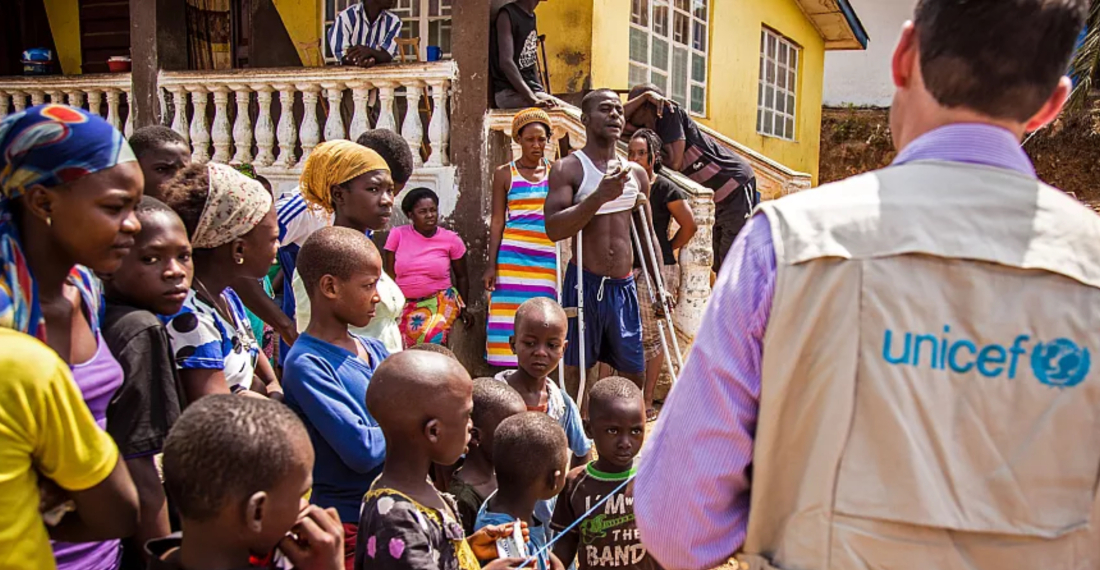
Sierra Leone's parliament has passed a law banning child marriage, a development hailed by campaigners as a major victory for children's rights.

The law criminalises the marriage of girls under the age of 18. It also prescribes prison sentences of up to 15 years for offenders.

A third of all girls in the West African country are married before their 18th birthday, according to UNICEF.

The country is home to 800,000 child brides, 400,000 of whom were married before the age of 15, the UN agency said.

Often because of poverty, many girls in Sierra Leone do not stay in school. They are then married off by their families to improve their financial situation or to pay off debts.

Source: commonspace.eu with Aricanews and agencies

Related articles

Editor's choice
News
Borrell tells the European Parliament that the situation in Afghanistan was critical, but the EU will remain engaged

Borrell tells the European Parliament that the situation in Afghanistan was critical, but the EU will remain engaged

Borrell underlined that the European Union will make every effort to support the peace process and to remain a committed partner to the Afghan people. "Of course, we will have to take into account the evolving situation, but disengagement is not an option.  We are clear on that: there is no alternative to a negotiated political settlement, through inclusive peace talks.
Editor's choice
News
UN General Assembly demands that Russia returns Ukrainian children

UN General Assembly demands that Russia returns Ukrainian children

The UN General Assembly, in a vote on Wednesday (3 December) overwhelmingly voted in favour of a resolution demanding that Russia returns Ukrainian children kidnapped since the start of the Russian invasion in February 2022. 91 countries voted in favour of the resolution, 12 voted against, and 57 countries abstained or were not present. Russia and Belarus were joined by ten countries in voting against the resolution, namely, Iran, Cuba, Nicaragua, Burundi, Burkina Faso, Niger, Mali, Democratic Republic of Congo, Sudan, and Eritrea. From the South Caucasus, Georgia voted in favour of the resolution, but Armenia and Azerbaijan abstained, as did Turkiye and the five Central Asian republics. Also abstaining were the six Gulf monarchies and most Arab countries. The resolution calls for the immediate return of Ukrainian children who were deported to Russia. The Ukrainian government says more than 19,000 children have been taken away from Russian-occupied areas and elsewhere since Moscow's invasion began in February of 2022. The draft resolution submitted on Wednesday demands that Russia "ensure the immediate, safe and unconditional return" of the children. (Read more by clicking the image)

Popular

Editor's choice
News
UN General Assembly demands that Russia returns Ukrainian children

UN General Assembly demands that Russia returns Ukrainian children

The UN General Assembly, in a vote on Wednesday (3 December) overwhelmingly voted in favour of a resolution demanding that Russia returns Ukrainian children kidnapped since the start of the Russian invasion in February 2022. 91 countries voted in favour of the resolution, 12 voted against, and 57 countries abstained or were not present. Russia and Belarus were joined by ten countries in voting against the resolution, namely, Iran, Cuba, Nicaragua, Burundi, Burkina Faso, Niger, Mali, Democratic Republic of Congo, Sudan, and Eritrea. From the South Caucasus, Georgia voted in favour of the resolution, but Armenia and Azerbaijan abstained, as did Turkiye and the five Central Asian republics. Also abstaining were the six Gulf monarchies and most Arab countries. The resolution calls for the immediate return of Ukrainian children who were deported to Russia. The Ukrainian government says more than 19,000 children have been taken away from Russian-occupied areas and elsewhere since Moscow's invasion began in February of 2022. The draft resolution submitted on Wednesday demands that Russia "ensure the immediate, safe and unconditional return" of the children. (Read more by clicking the image)