The European Union has thanked Kazakhstan and Uzbekistan for their role during the recent evacuation of Kabul following its fall into the hands of the Taliban. The president of the European Council spoke on the phone to the presidents of the two countries in the last days.
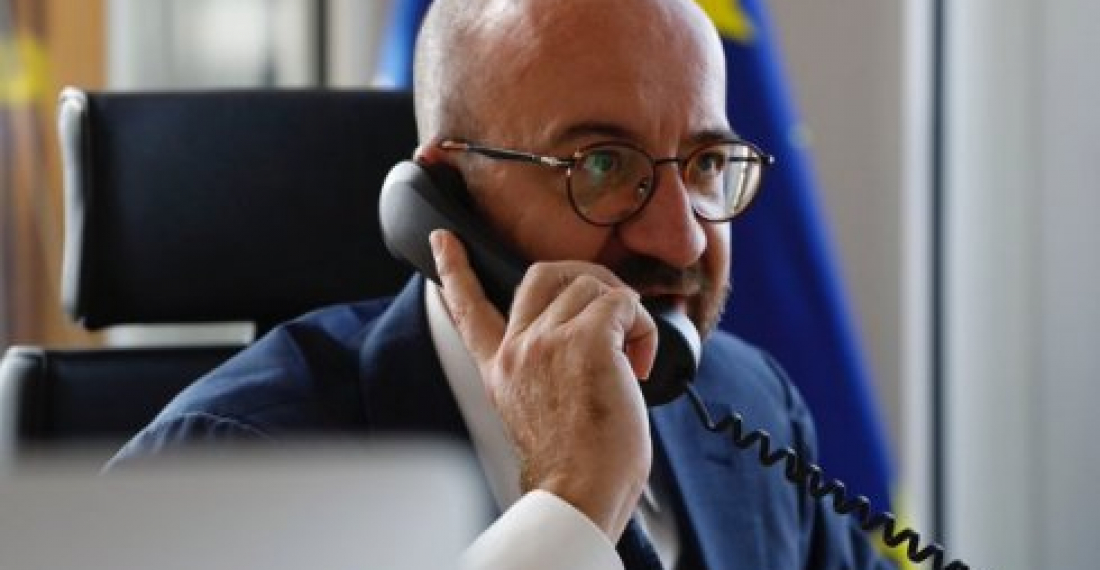
Michel, expressed appreciation to Kazakh President Kassym-Jomart Tokayev for his support in the evacuation and hosting of the United Nations Assistance Mission (UNMA) staff from Afghanistan. Michel spoke with Tokayev on 26 August.
Discussion with President @TokayevKZ of Kazakhstan on the developments in #Afghanistan and its impact for the wider Central Asia region.
— Charles Michel (@eucopresident) August 26, 2021
I thanked 🇰🇿 for its support in the evacuation and hosting of the United Nations Assistance Mission (UNMA) staff in Afghanistan. pic.twitter.com/WMTr37R8Qx
According to the press service of the Kazakh presidential administration, Tokayev explained to Michel Kazakhstan’s position on the Afghan problem. He said that the decision to temporarily locate the UN Office in Afghanistan to Almaty symbolizes his country’s support for the world organization.
Kazakhstan was also providing assistance to Afghan students who fled to Kazakhstan.
Tokayev believes that Kazakhstan and the European Union (EU) can closely interact with each other on the Afghan agenda. Kazakhstan has provided an opportunity to refuel transport aircraft at its airports and the evacuation of EU citizens.
Combating illegal migration, drug trafficking, human and arms trafficking are also of mutual interest. The diplomatic and other offices of Kazakhstan can provide advice to the EU on these issues.
Tokayev expressed his hope for a swift stabilization of the situation in Afghanistan and the establishment of an inclusive government with the participation of representatives of all ethnic groups.
The President of the European Council said that he would be glad to meet with Tokayev during the President’s visit to Brussels later this year. They plan to discuss the broader agenda concerning Kazakhstan’s cooperation with the EU.
On 28 August, Michel spoke on the phone with the president of Uzbekistan Shavkat Mirziyoyev.
A readout of the conversation from the Uzbek presidential administration said that at the beginning of the conversation, Michel congratulated the president and people of Uzbekistan on the occasion of the 30th anniversary of the country's independence, and expressed strong support for the ongoing democratic and social and economic reforms in the republic.
Topical issues of the Uzbek-European multifaceted cooperation were also discussed.
They also exchanged views on the development of the situation in the region in connection with the escalation of tensions in Afghanistan. The President of the Council of Europe expressed deep gratitude to the leader of Uzbekistan for practical assistance in carrying out humanitarian operations to evacuate citizens.
In addition, the parties highly commended the outcomes of the international conference on the interconnectivity of Central and South Asia, held in July this year in Tashkent, and the third Central Asian Summit in early August in Turkmenistan.
Later Charles Michel tweeted:
With @president_uz discussed situation in & around Afghanistan and impact on wider Central Asia region.
— Charles Michel (@eucopresident) August 28, 2021
Appreciate stabilizing role of 🇺🇿 and assistance with evacuations of EU nationals and vulnerable Afghans.
Stressed the importance for the EU of partnership with Uzbekistan. pic.twitter.com/8raCJO8pjV