


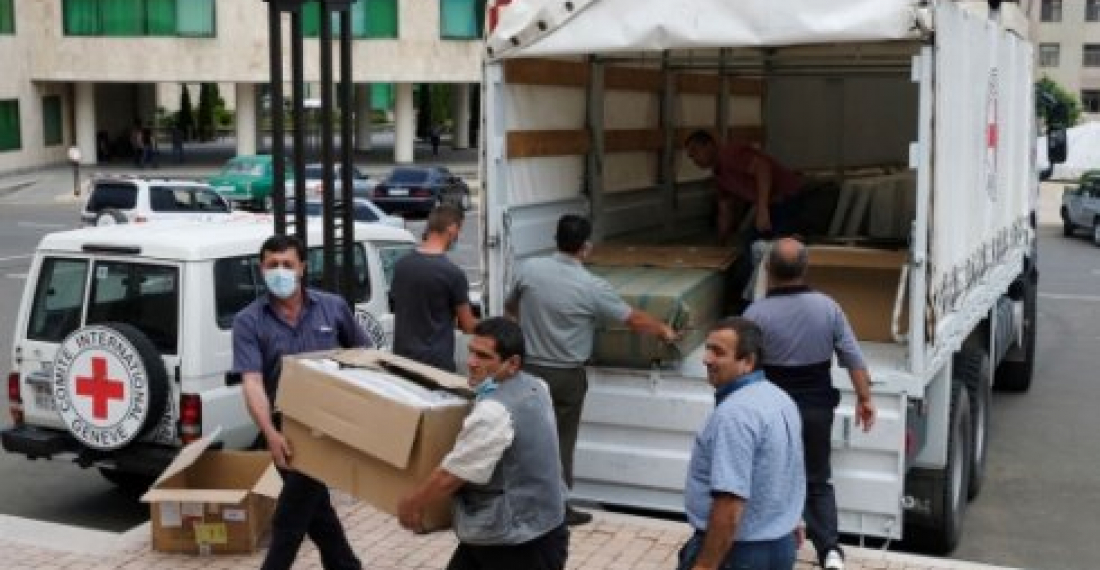
The European Union has announced an allocation of emergency humanitarian aid to civilian populations affected by the conflict between Armenians and Azerbaijanis in the South Caucasus. The aid is directed at populations on both sides of the conflict. The funding will deliver health support, medical equipment, food packages, and other urgent help to several thousand people.
Commissioner for Crisis Management Janez Lenarcic said: "The fighting in the Nagorno Karabakh conflict zone has already claimed civilian lives. International humanitarian law must be respected, and the protection of civilian life and infrastructure ensured. The EU stands in solidarity with all the people affected by the violence and is ready to provide further humanitarian support, should human suffering continue. We call for an immediate end to hostilities."
The initial funding of €500,000 will help EU humanitarian partners, such as the International Committee of the Red Cross, provide immediate relief to those affected by the fighting. All EU humanitarian funding is provided in line with the humanitarian principles of humanity, neutrality, impartiality and independence, and is channeled through international organisations, UN agencies and NGOs.
Source: Commonspace.eu



