The impressive opening ceremony for the 2014 Winter Olympics in Sochi on Friday was an extravagant and glitzy affair full of symbolism. It showed the world how Russia sees itself, and wants others to see it. It reminded us of just how huge and diverse Russia is. The early negative reports of problems with the facilities at Sochi were quickly forgotten, and indeed if they exist they must be put into the context of the challenges that faced the organisers to prepare all the infrastructural and logistical arrangements needed for such a huge event, especially given the added problem of security.
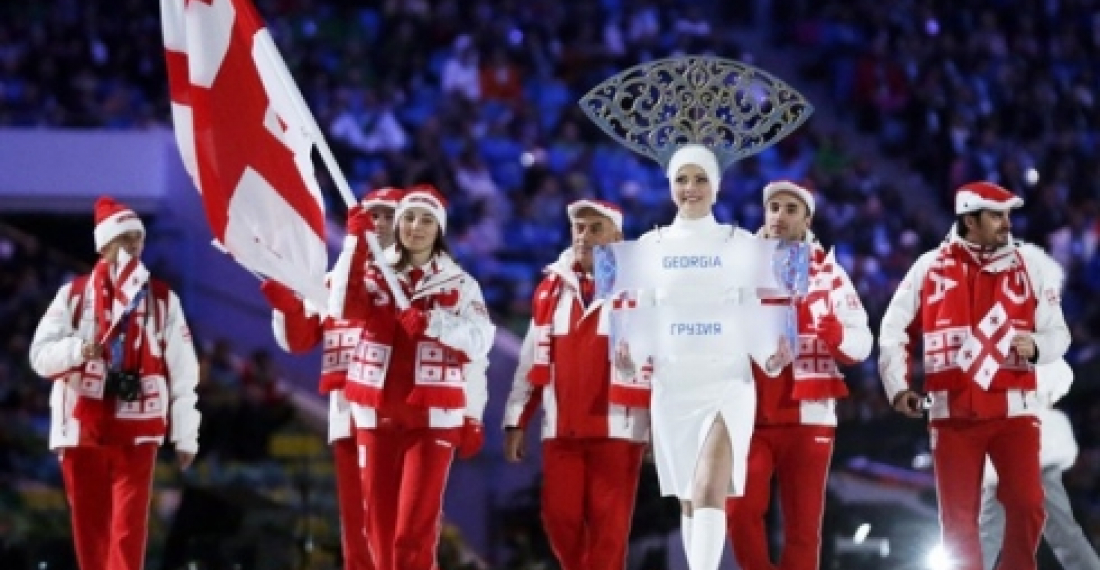
Whatever intentions the Russian government may have had for proposing Sochi as an Olympic venue, bringing the Olympic spirit to the Caucasus was a wonderful idea and all must seize on its positive message. This perhaps was symbolised best on Friday, when the small Georgian Olympic Team made its way into the stadium to the cheers of the crowds. It sent a message that was much stronger than dozens of meetings and speeches of politicians that a new chapter has now opened in Georgian-Russian relations after the tensions of the last decade, including the war in 2008 which started on the day of the Beijing Summer Olympics.
Participating in Sochi was a difficult decision for the Georgian government. The absence of diplomatic relations, and the close proximity of the games to Abkhazia created political sensitivities. The decision of the Russian government to invite the leaders of the self declared republics of Abkhazia and South Ossetia who have seceded from Georgia, to Sochi, made the decision even more difficult. Yet the Georgian Government decided to be guided by the Olympic spirit and to participate in Sochi. For this they should be congratulated.
Earlier, two other Caucasian countries, Armenia and Azerbaijan, had also committed to respect the Olympic spirit and to refrain from any provocations against each other during the Games. There have been reports of violations of these committments by both sides, but one hopes that the promise will be kept for the rest of the games at least.
The Caucasus mountains, stetching from Sochi to the Caspian Sea, are an area of immense beauty, yet for many centuries this has also been a troubled region. The mountains have been seen for far too long in military and strategic terms. They have come to symbolise violence, extremism, poverty, intollerance and neglect in the eyes of the world, and not least in the eyes of many Russians. The diversity of the people of the region is often depicted as fragmentation rather than celebrated.
The Games now give everybody a chance to think of the Caucasus differently.They will end soon, but the spirit of the Olympics must stay in the Caucasus mountains. As the International Olympic Committee president Thomas Bach said in his welcome speech at the opening ceremony:
"The Olympics are about building bridges to bring people together. They are not about erecting walls to keep people apart. Embrace human diversity and unity."
Source: commonspace.eu
photo: The Georgian Olympic team at the Opening ceremony of the Sochi Games on 7 February 2014.