Theme

Diplomacy

Editor's choice
News
Germany accuses Russia of cyberattacks and disinformation campaign

Germany accuses Russia of cyberattacks and disinformation campaign

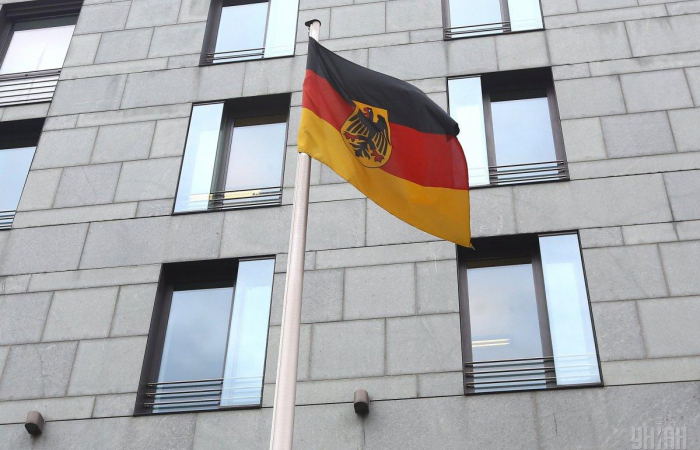
The German government holds Russia responsible for a cyberattack on German air traffic control, and for targeted disinformation campaigns before the last federal election. According to the German Foreign Office in Berlin, the incidents could be clearly attributed to the Russian military intelligence service, the GRU. In response, the Russian ambassador to Berlin was summoned to the Foreign Ministry. "We have been observing a massive increase in threatening hybrid activities by Russia for some time now," a spokesperson for the Foreign Ministry stated. These range from disinformation campaigns and espionage to cyberattacks and sabotage attempts. The aim is to divide society, sow distrust, and undermine confidence in democratic institutions. The spokesperson added that with these actions, Russia is "very concretely threatening our security, not only through its war of aggression against Ukraine, but also here in Germany."  The Foreign Ministry spokesperson explained that the cyberattack on air traffic control in August 2024 was clearly attributed to the hacker collective "APT28," known as "Fancy Bear," and to the responsibility of the Russian military intelligence service, the GRU. Furthermore, it could now be "conclusively stated" that Russia had attempted "to influence and destabilize both the last Federal election and the ongoing internal affairs of the Federal Republic of Germany." There was "absolutely irrefutable evidence" for this". The so-called "Storm 1516" campaign, which has been running since 2024, is allegedly backed by "reliable information" that the Moscow-based think tank "Center for Geopolitical Expertise" is behind it. The Center is also said to be supported by Russian military intelligence. Its primary aim is to influence democratic elections in the West. (Click the image to read more).
Editor's choice
Opinion
Opinion: A sustainable peace requires consistent long-term European involvement

Opinion: A sustainable peace requires consistent long-term European involvement

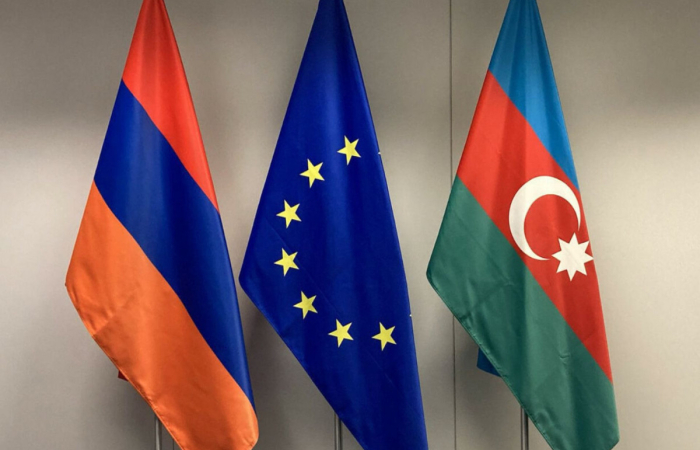
There is no denying that the EU, especially key member states acting in support, helped bring Baku and Yerevan closer to the Washington Declaration of August 8, 2025. But a declaration is not a treaty. Turning principles into a peace deal and eventually to a sustainable peace requires consistent long-term European involvement, writes Yalchin Mammadov in this-op-ed for commonspace.eu Before facilitating trust between Armenia and Azerbaijan, the EU is first expected to address its own credibility gap with Baku. A more balanced approach—such as including Azerbaijan, alongside Armenia, in the European Peace Facility—could be a useful first step. Diplomats can negotiate peace; societies must build peace. In this context, the EU can do what it does the best: long-term societal engagement. By expanding youth and academic exchange programmes, investing in cross-border civil society initiatives, and fostering people-to-people cooperation, Brussels can help shape a new generation equipped to sustain peace beyond political cycles. Such tools are slow and unglamorous, but if ignored, even the strongest treaty risks collapse. And obviously, these aspects require two-way engagement and genuine willingness by both governments to facilitate contact. If Brussels wants to remain influential, it needs to replace outdated one-size-fits-all policies with ambitious, interest-driven and differentiated approaches. Without a clear regional strategy, which appears to be the current situation, the South Caucasus will continue to sit at the margins of Europe’s security architecture—leaving space for other powers to take the lead. (You can read the op-ed in full by clicking the image.)

Filter archive

Publication date
Editor's choice
News
Iran looms large on Biden's Middle East agenda

Iran looms large on Biden's Middle East agenda

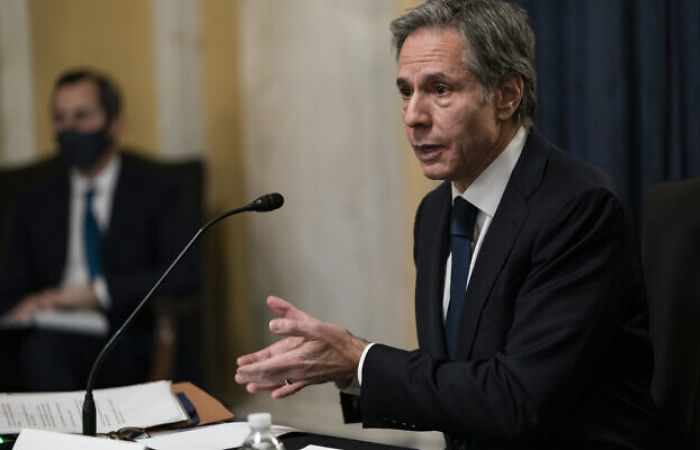
A new nuclear deal could address Iran’s aggressive policies in the Middle East, Antony Blinken the Secretary of State designate told his senate confirmation hearings on Tuesday. Blinken told the Senate Foreign Relations Committee that the administration of President-elect Joe Biden would seek a “longer and stronger deal.”
Editor's choice
News
Qatar says GCC countries should have dialogue with Iran

Qatar says GCC countries should have dialogue with Iran

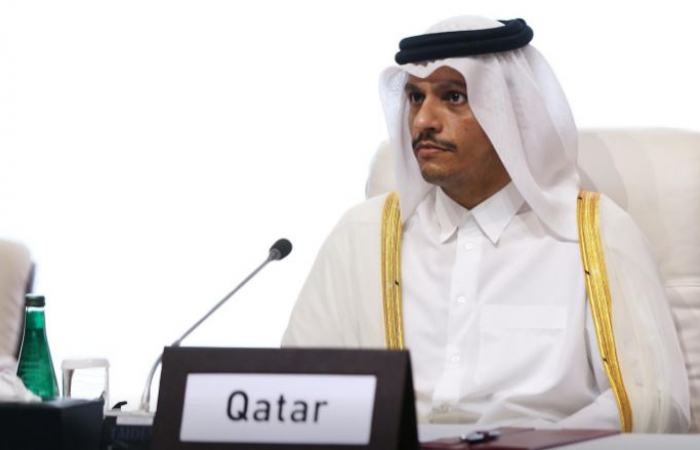
Qatar is urging Gulf Arab nations to initiate dialogue with Iran stating Doha's willingness to broker dialogue. The Qatari foreign minister, Sheikh Mohammed bin Abdulrahman Al Thani, has been calling for such dialogue for a long time. Sheikh Mohammed said that the government was “hopeful that this would happen and we still believe this should happen.”
Editor's choice
News
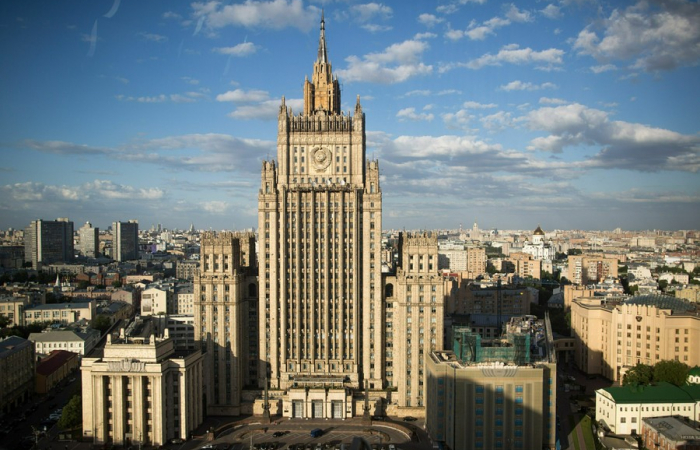
Lavrov explains Russia's role in Karabakh

Lavrov explains Russia's role in Karabakh

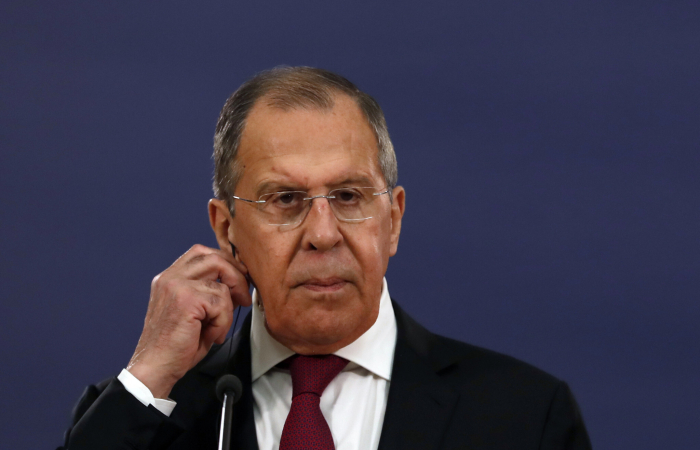
Sergei Lavrov dismissed suggestions that Nagorno-Karabakh be annexed to Russia and said that the status issue needs to be resolved between Armenia and Azerbaijan. Lavrov indicated that there will be a role for the OSCE Minsk Group in resolving the status problem. Lavrov was speaking at the annual marathon new year press conference where he reviewed the work of his ministry in 2020.
Editor's choice
News
Borrell reaffirms EU support for Moldova

Borrell reaffirms EU support for Moldova

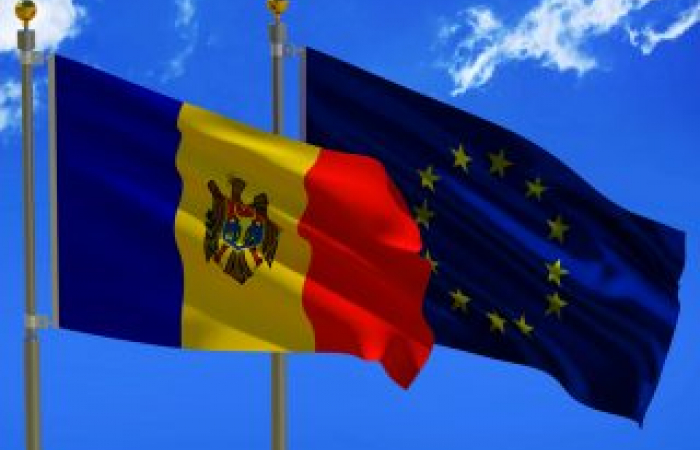
A statement posted on the EEAS website said that Josep Borrell reaffirmed the commitment of the EU to strengthen political association and economic integration with the Republic of Moldova by working in close partnership, on the basis of the ambitious Association Agreement.
Editor's choice
News
Saudi Arabia and Russia express different positions on Iran during Moscow talks

Saudi Arabia and Russia express different positions on Iran during Moscow talks

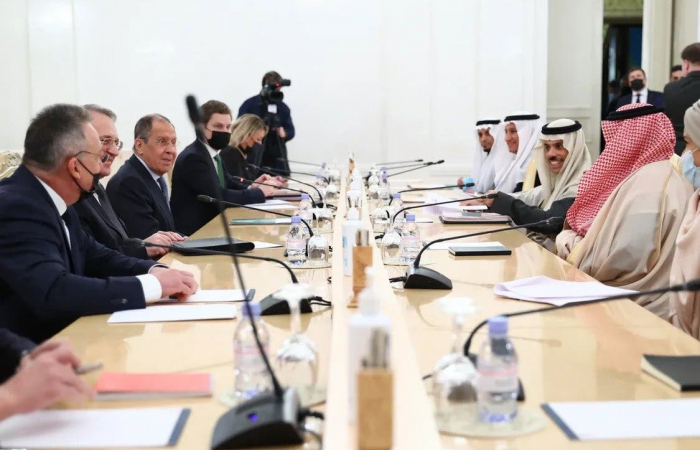
Saudi Arabia’s Foreign Minister Prince Faisal bin Farhan on Thursday (14 January) met in Moscow with Russian Foreign Minister Sergei Lavrov. Whilst the two sides emphasised positive trends in their bilateral relations, it was also obvious that there were important differences, not least on Iran.
Editor's choice
News
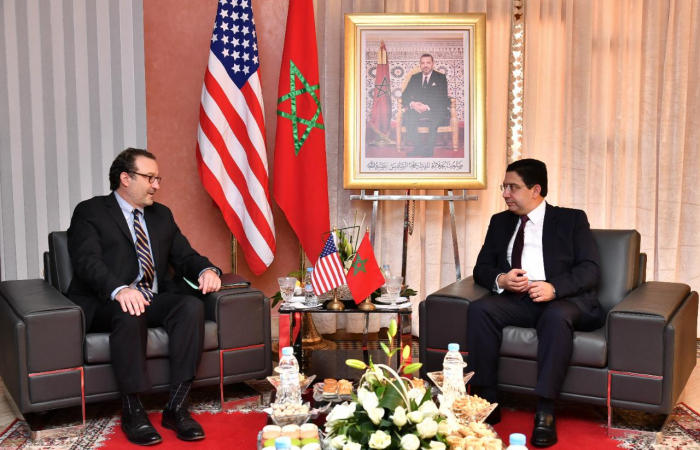
US plans to open consulate in Western Sahara

US plans to open consulate in Western Sahara

The US is planning to open a consulate in Western Sahara. The consulate will be located in Dakhla, a fishing port located in southern Western Sahara, intended to become a “regional maritime hub” serving Africa and the Canary Islands through a large development project launched by Rabat. Last Saturday, the assistant secretary of state for near eastern affairs, David Schenker, visited Western Sahara. He is considered to be the highest-ranking US diplomat for North Africa and the Middle East.