Theme

Diplomacy

Editor's choice
News
Germany accuses Russia of cyberattacks and disinformation campaign

Germany accuses Russia of cyberattacks and disinformation campaign

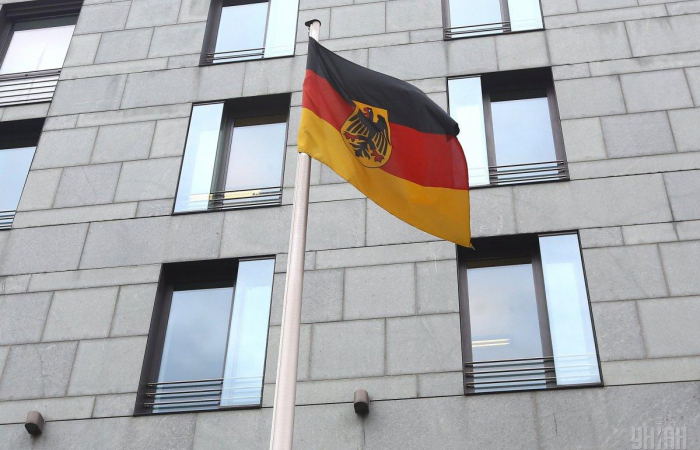
The German government holds Russia responsible for a cyberattack on German air traffic control, and for targeted disinformation campaigns before the last federal election. According to the German Foreign Office in Berlin, the incidents could be clearly attributed to the Russian military intelligence service, the GRU. In response, the Russian ambassador to Berlin was summoned to the Foreign Ministry. "We have been observing a massive increase in threatening hybrid activities by Russia for some time now," a spokesperson for the Foreign Ministry stated. These range from disinformation campaigns and espionage to cyberattacks and sabotage attempts. The aim is to divide society, sow distrust, and undermine confidence in democratic institutions. The spokesperson added that with these actions, Russia is "very concretely threatening our security, not only through its war of aggression against Ukraine, but also here in Germany."  The Foreign Ministry spokesperson explained that the cyberattack on air traffic control in August 2024 was clearly attributed to the hacker collective "APT28," known as "Fancy Bear," and to the responsibility of the Russian military intelligence service, the GRU. Furthermore, it could now be "conclusively stated" that Russia had attempted "to influence and destabilize both the last Federal election and the ongoing internal affairs of the Federal Republic of Germany." There was "absolutely irrefutable evidence" for this". The so-called "Storm 1516" campaign, which has been running since 2024, is allegedly backed by "reliable information" that the Moscow-based think tank "Center for Geopolitical Expertise" is behind it. The Center is also said to be supported by Russian military intelligence. Its primary aim is to influence democratic elections in the West. (Click the image to read more).
Editor's choice
Opinion
Opinion: A sustainable peace requires consistent long-term European involvement

Opinion: A sustainable peace requires consistent long-term European involvement

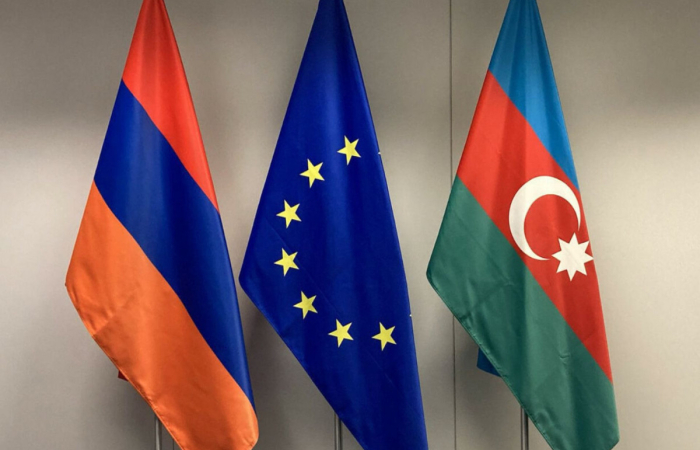
There is no denying that the EU, especially key member states acting in support, helped bring Baku and Yerevan closer to the Washington Declaration of August 8, 2025. But a declaration is not a treaty. Turning principles into a peace deal and eventually to a sustainable peace requires consistent long-term European involvement, writes Yalchin Mammadov in this-op-ed for commonspace.eu Before facilitating trust between Armenia and Azerbaijan, the EU is first expected to address its own credibility gap with Baku. A more balanced approach—such as including Azerbaijan, alongside Armenia, in the European Peace Facility—could be a useful first step. Diplomats can negotiate peace; societies must build peace. In this context, the EU can do what it does the best: long-term societal engagement. By expanding youth and academic exchange programmes, investing in cross-border civil society initiatives, and fostering people-to-people cooperation, Brussels can help shape a new generation equipped to sustain peace beyond political cycles. Such tools are slow and unglamorous, but if ignored, even the strongest treaty risks collapse. And obviously, these aspects require two-way engagement and genuine willingness by both governments to facilitate contact. If Brussels wants to remain influential, it needs to replace outdated one-size-fits-all policies with ambitious, interest-driven and differentiated approaches. Without a clear regional strategy, which appears to be the current situation, the South Caucasus will continue to sit at the margins of Europe’s security architecture—leaving space for other powers to take the lead. (You can read the op-ed in full by clicking the image.)

Filter archive

Publication date
Editor's choice
News
South Ossetian leader summoned to Moscow amid simmering political crisis in the territory (Updated)

South Ossetian leader summoned to Moscow amid simmering political crisis in the territory (Updated)

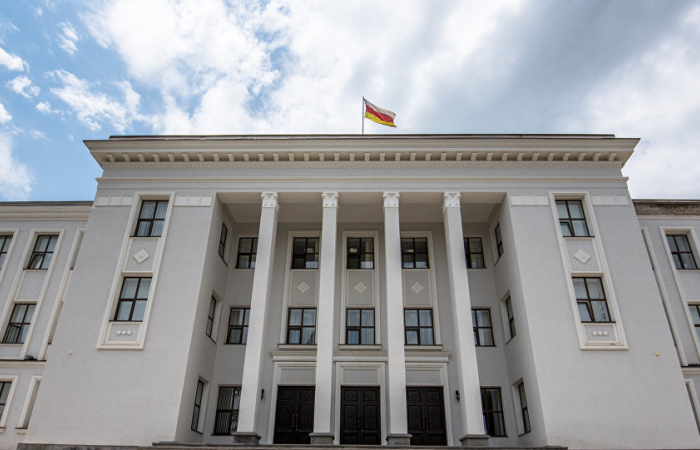
The leader of the self-declared Republic of South Ossetia has gone to Moscow amid a simmering political crisis in the territory, which seceded from Georgia. South Ossetia is currently gripped in a political crisis following the death in police detention of a young Ossetian, which sparked public protests and a boycott of parliament by some MPs.
Editor's choice
News
European Parliament discusses Yemen; calls for increased humanitarian assistance and confidence-building measures

European Parliament discusses Yemen; calls for increased humanitarian assistance and confidence-building measures

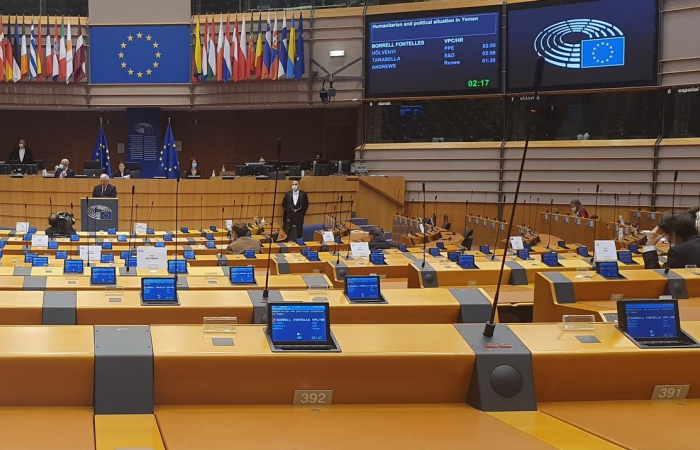
The European Parliament discussed the humanitarian and political updates in Yemen this week. The EU Parliament stressed the need to increase humanitarian support to Yemen. The Parliament outlined its vision in a resolution released on 11 February, which also marks the 10 year anniversary of the popular uprisings that toppled former president, Ali Abdullah Saleh. 
Editor's choice
News
Moscow gets into a muddle about its relations with the EU

Moscow gets into a muddle about its relations with the EU

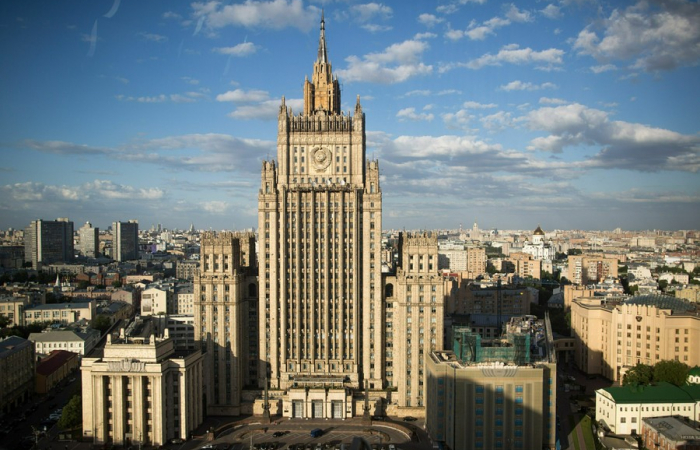
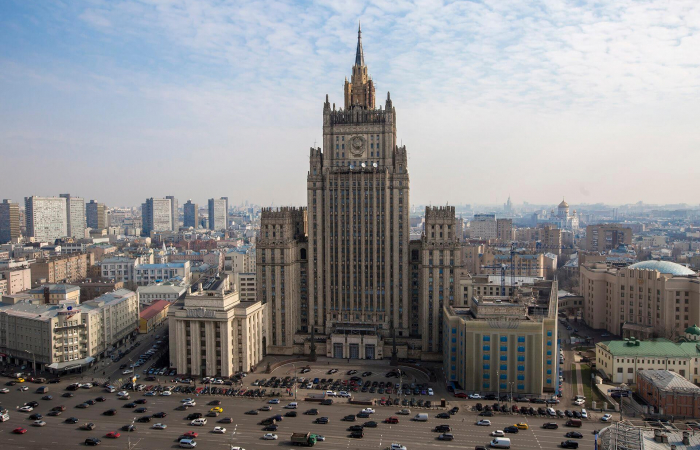
There appears to be some confusion in Moscow about how to handle Russia's future relations with the European Union. The press secretary of Russian president Vladimir Putin has been obliged to intervene to explain comments made earlier by Russian foreign minister Sergei Lavrov that appeared to threaten the EU with a break in relations. Peskov said they had been presented by the media out of context. 
Editor's choice
News
European ambassadors visit Aden to express support for legitimate Yemeni government

European ambassadors visit Aden to express support for legitimate Yemeni government

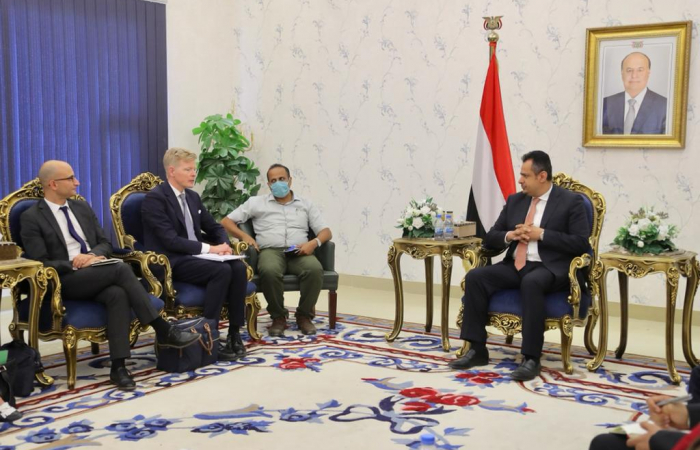
A delegation of European Ambassadors arrived in Aden, Yemen on Saturday (6 February) for meetings with the leadership of Yemen's legitimate government and to support a comprehensive and sustainable peace for the country. The delegation, led by Hans Grundberg, EU Ambassador to Yemen, met Prime Minister Maeen Abdul Malik Saeed and Foreign Minister Ahmed Bin Mubarak. 
Editor's choice
News
Borrell and Lavrov try to find common ground

Borrell and Lavrov try to find common ground

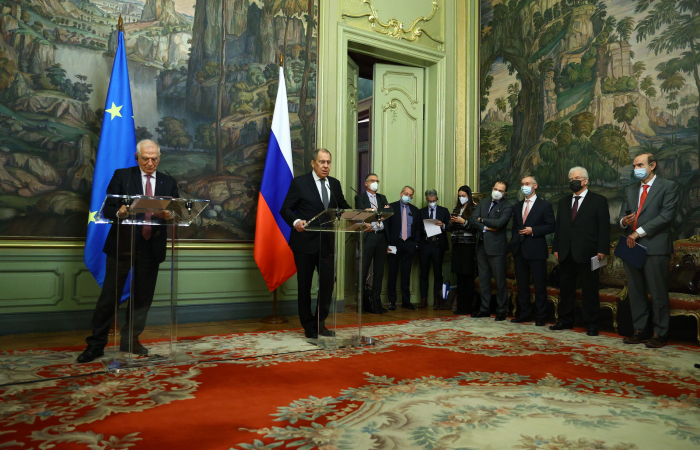
Russian Foreign Minister, Sergei Lavrov, and EU High Representative, Josep Borrell, met in Moscow on Friday (5 February). In a press conference after the first part of their talks the two senior diplomats appeared to be struggling to identify common ground for future co-operation whilst wanting to sound tough on their respective positions, especially on the ongoing controversies surrounding Alexei Navalny and Russian clampdown on his supporters.