Theme

Defence

Stories related to defence, strategy and cooperation. 

Editor's choice
News
NATO Chief says war is on Europe's doorstep, and warns against complacency

NATO Chief says war is on Europe's doorstep, and warns against complacency

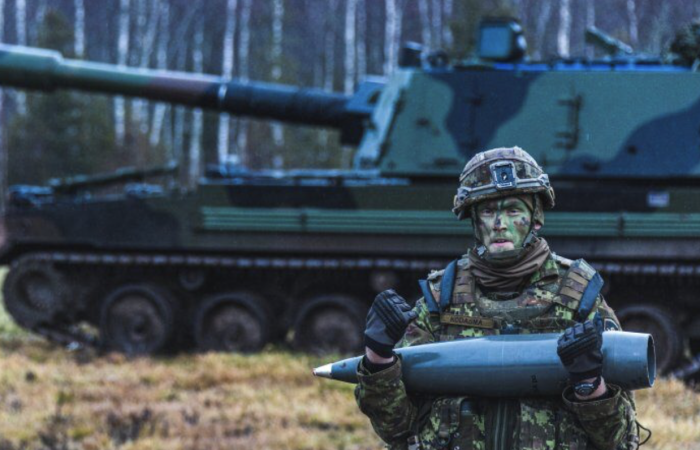
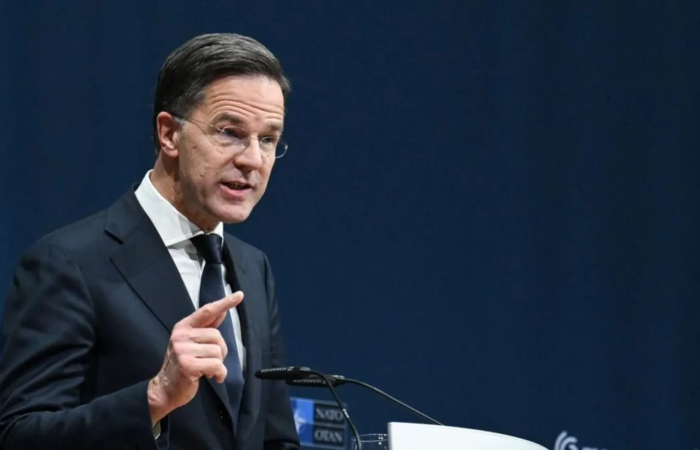
Russia could attack a NATO country within the next five years, the Secretary General of NATO, Mark Rutte, said in a stark new warning. "NATO's own defences can hold for now," Rutte warned in Berlin, but conflict was "next door" to Europe, and he feared "too many are quietly complacent, and too many don't feel the urgency, too many believe that time is on our side. "Russia is already escalating its covert campaign against our societies," Rutte said in a speech in Germany. "We must be prepared for the scale of war our grandparents or great-grandparents endured." Earlier this month, Russia's President Vladimir Putin said his country was not planning to go to war with Europe, but it was ready "right now" if Europe wanted to - or started a war. But similar reassurances were given by Moscow in 2022, just before 200,000 Russian troops crossed the border and invaded Ukraine. Putin has accused European countries of hindering US efforts to bring peace in Ukraine - a reference to the role Ukraine's European allies have recently played in trying to change a US peace plan to end the war, whose initial draft was seen as favouring Russia. But Putin was not sincere, Nato's secretary-general said in the German capital, Berlin. Supporting Ukraine, he added, was a guarantee for European security. "Just imagine if Putin got his way; Ukraine under the boot of Russian occupation, his forces pressing against a longer border with Nato, and the significantly increased risk of an armed attack against us." Russia's economy has been on a war footing for more than three years now - its factories churn out ever more supplies of drones, missiles and artillery shells. According to a recent report by the Kiel Institute for the World Economy, Russia has been producing each month around 150 tanks, 550 infantry fighting vehicles, 120 Lancet drones and more than 50 artillery pieces. The UK, and most of its Western allies, are simply not anywhere near this point. Analysts say it would take years for Western Europe's factories to come close to matching Russia's mass-production of weapons. "Allied defence spending and production must rise rapidly, our armed forces must have what they need to keep us safe," the Nato chief said.
Editor's choice
Analysis
Mehman Aliyev on what "peace" can look like for Ukraine

Mehman Aliyev on what "peace" can look like for Ukraine

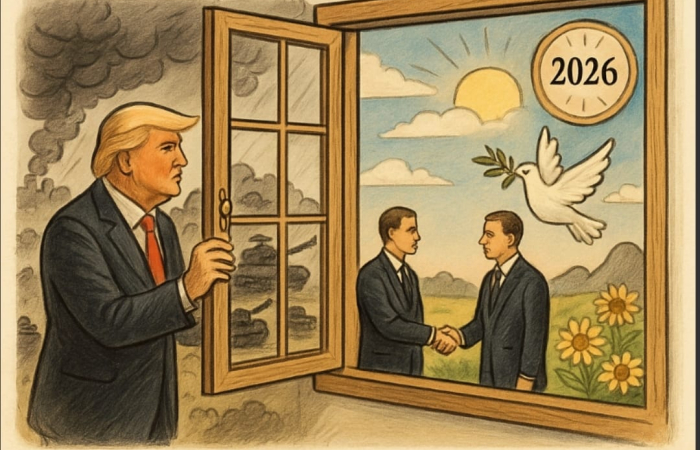
In this analysis,  veteran Azerbaijani journalist and political commentator, Mehman Aliyev, draws lessons from the 1994 Armenia-Azerbaijan ceasefire, to assess what can be possible impact of ceasefire in Ukraine. According to diplomats, a negotiating format or a partial ceasefire based on a modified version of the twenty-eight points is entirely plausible in 2026. A frozen line of contact, monitored by international mechanisms while talks drag on, is more likely than a fully implemented peace treaty by early that same year. “This document opens a window,” said political commentator Farid Gakhramanov. “Whether it means the end of the war or the beginning of a new frozen conflict will depend on the decisions of Moscow, Kyiv, Washington, and Brussels — not on the document itself.” (You can read the full analysis by clicking the image)

Filter archive

Publication date
Editor's choice
News
White House mistakenly shares Yemen war plans with a journalist at The Atlantic

White House mistakenly shares Yemen war plans with a journalist at The Atlantic

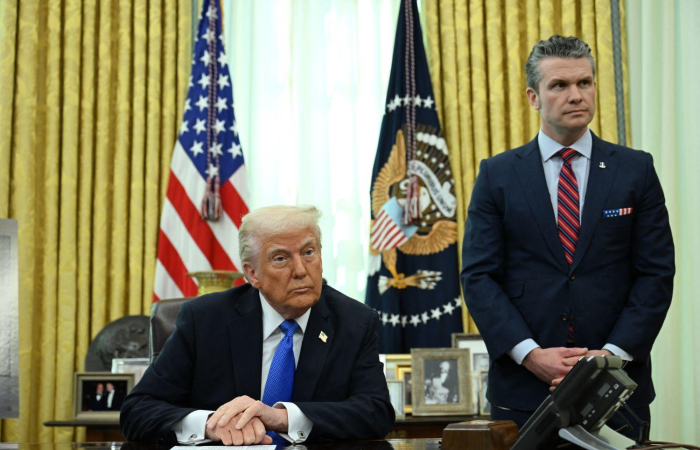
A US journalist was inadvertently included in a group chat in which Defense Secretary Pete Hegseth, Vice President JD Vance and other top officials discussed upcoming strikes against Yemen's Huthi rebels, the White House confirmed Monday. President Donald Trump announced the strikes on March 15, but in a shocking security breach, The Atlantic magazine's editor-in-chief Jeffrey Goldberg wrote that he had hours of advance notice via the group chat on Signal.
Editor's choice
Monday Commentary
The EU Defence White Paper is a timely and important contribution to the debate on the future of Europe

The EU Defence White Paper is a timely and important contribution to the debate on the future of Europe

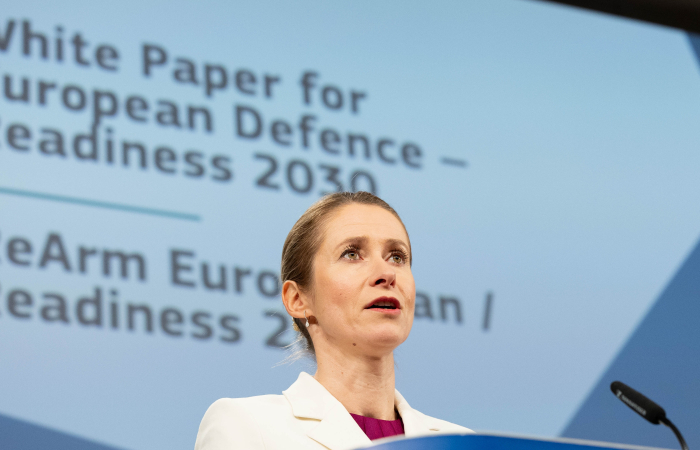
The Defence White Paper, published in Brussels on 19 March by the European Commission and the EU High Representative for Foreign Affairs and Security Policy, entitled “Joint White Paper for European Defence Readiness 2030” was a welcome, major contribution, to the debate on European Defence and Security. Unlike similar epistles coming out of Brussels, who one often wonders are written for whom, and by whom, the Defence White Paper is informative, candid and containing well-argued steps going forward. It gives the reader a good sense of the urgency of the situation and sets out clearly a set of steps aimed at addressing the urgency in a timely manner.
Editor's choice
News
EU leaders vow to continue support for Ukraine but make no concrete pledge

EU leaders vow to continue support for Ukraine but make no concrete pledge

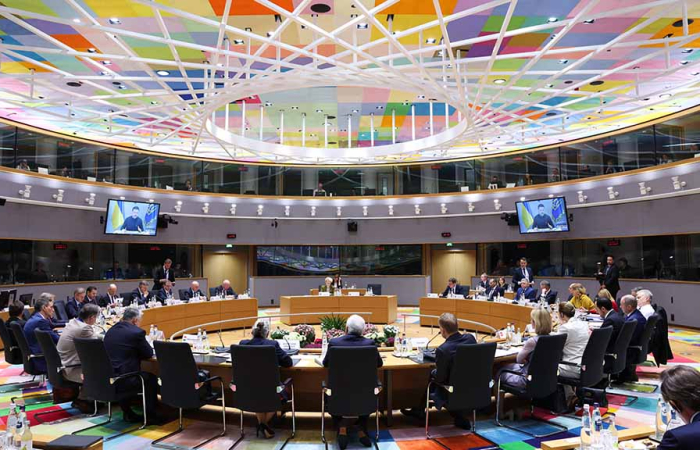
European Union leaders said on Thursday that they will continue to support Ukraine, but they did not immediately endorse a call by Ukrainian President Volodymyr Zelenskiy to provide at least 5 billion euros for artillery ammunition purchases. The EU’s leaders also discussed the Commission's defence proposals, which include a call for European countries to pool resources on joint military projects and buy more European arms.
Editor's choice
News
Trump, Putin agree halt to Ukraine energy attacks but no ceasefire

Trump, Putin agree halt to Ukraine energy attacks but no ceasefire

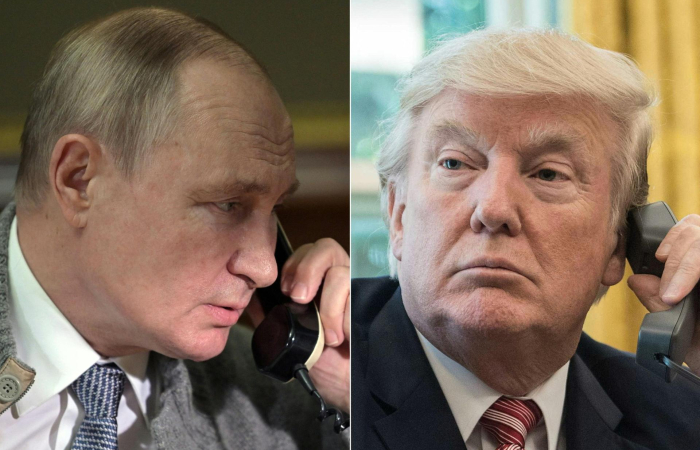
Donald Trump and Vladimir Putin agreed Tuesday on a halt in Russian attacks against Ukrainian energy targets but fell far short of securing a full ceasefire in a highly anticipated phone call. The US and Russian leaders spoke for more than an hour and a half and both expressed hopes for repairing relations between the countries. However, there was no agreement from the Russian president for Washington's proposed full 30-day ceasefire in Russia's invasion of its pro-Western neighbour.
Editor's choice
News
Baltic states and Poland recommend withdrawal from anti-landmine treaty

Baltic states and Poland recommend withdrawal from anti-landmine treaty

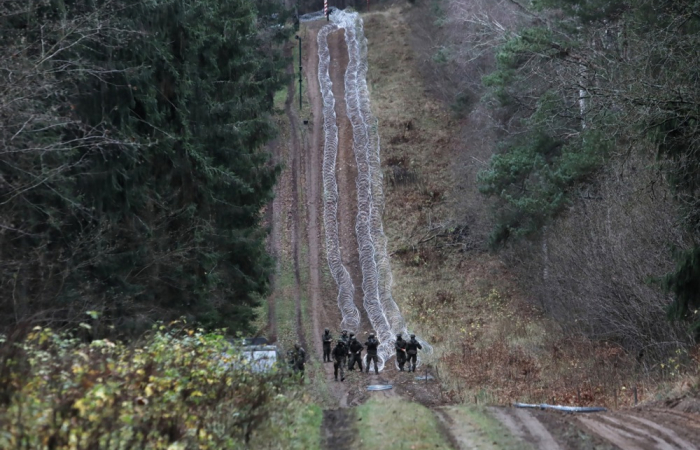
Poland and the three Baltic states of Latvia, Lithuania and Estonia want to withdraw from the international treaty banning the use of anti-personnel mines. The four NATO countries say it is necessary to be able to mount an optimal defence against the growing threat of Russian aggression.
Editor's choice
Opinion
Opinion: Iran's Nuclear Program - Behind Sanctions and Diplomatic Tensions

Opinion: Iran's Nuclear Program - Behind Sanctions and Diplomatic Tensions

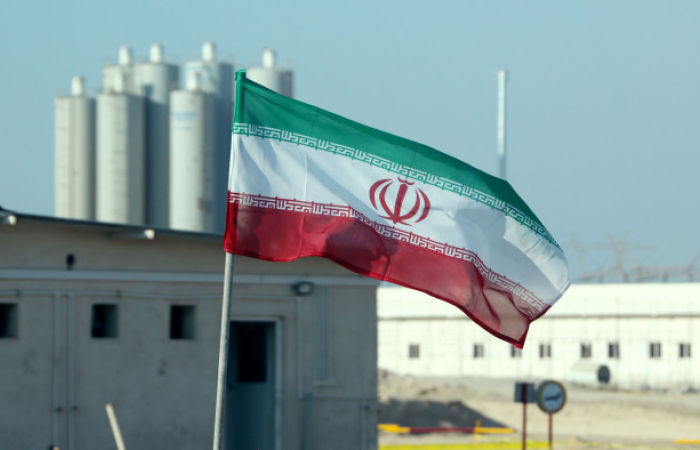
The history of Iran's nuclear program coincides with the period of the Shah’s regime, when relations with the United States were significantly stronger than they are today. In 1957, during the reign of Shah Mohammad Reza Pahlavi, Tehran signed a "civil nuclear cooperation agreement" with its ally, the United States. After the Islamic Revolution in 1979, and in the context of the events that followed, including the seizure of the U.S. Embassy in Tehran, relations between Iran and the U.S. sharply deteriorated. These events also had a negative impact on the steps taken within the nuclear program.
Editor's choice
News
US launches powerful air strikes on Houthi targets in Yemen

US launches powerful air strikes on Houthi targets in Yemen

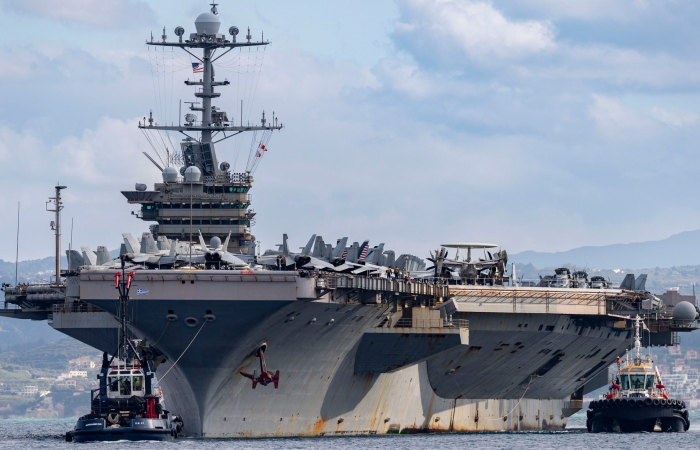
The US has launched what it called a decisive and powerful wave of air strikes on Houthi targets on Saturday as part of efforts to stop Houthi attacks on shipping in the Red Sea. Yemen's Houthi rebels say there have been fresh US strikes against them, with the number of dead rising to 53, including five children. Targets in the Al Jaouf and Hudaydah areas were hit early on Monday, according to the rebel group, while the US Central Command said its forces had continued operations throughout the weekend. Washington says some key Houthi figures are among the dead, but the group has not confirmed this.
Editor's choice
Monday Commentary
Armenia and Azerbaijan Peace Agreement: A step in the right direction...but just a step

Armenia and Azerbaijan Peace Agreement: A step in the right direction...but just a step

The news, released simultaneously in Baku and Yerevan, that Armenia and Azerbaijan had successfully concluded negotiations on a peace agreement is very welcome. Negotiations had been going on for a long time, sometimes in person and sometimes by email, sometimes with the participation of third-party mediators, but most of the time bilaterally without third parties. Armenia and Azerbaijan should be congratulated. The EU, US, Russia and France were amongst the first to praise the sides for their success.