Theme

Defence

Stories related to defence, strategy and cooperation. 

Editor's choice
News
NATO Chief says war is on Europe's doorstep, and warns against complacency

NATO Chief says war is on Europe's doorstep, and warns against complacency

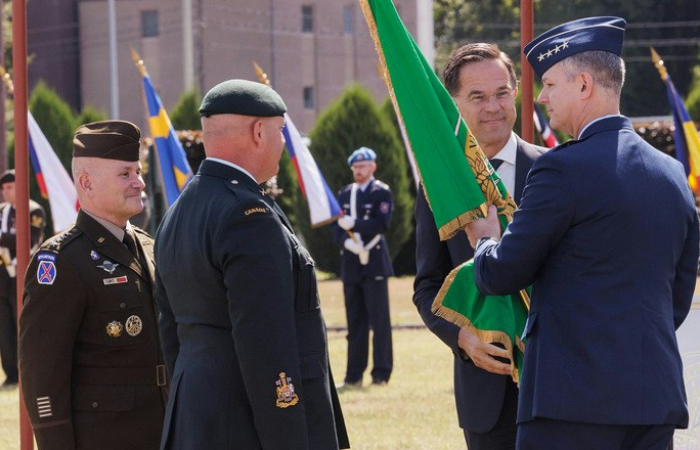
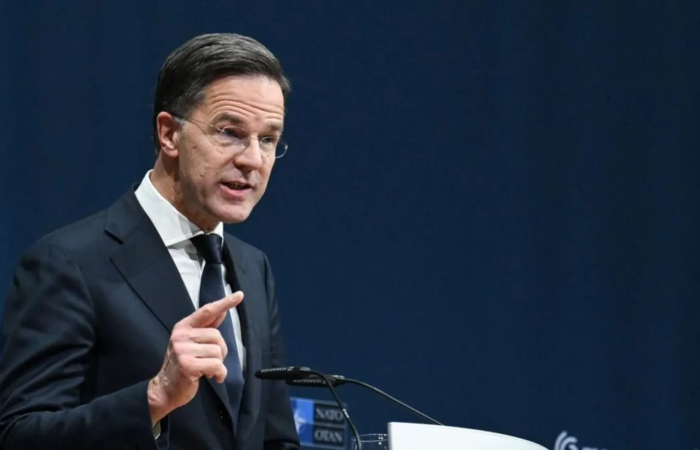
Russia could attack a NATO country within the next five years, the Secretary General of NATO, Mark Rutte, said in a stark new warning. "NATO's own defences can hold for now," Rutte warned in Berlin, but conflict was "next door" to Europe, and he feared "too many are quietly complacent, and too many don't feel the urgency, too many believe that time is on our side. "Russia is already escalating its covert campaign against our societies," Rutte said in a speech in Germany. "We must be prepared for the scale of war our grandparents or great-grandparents endured." Earlier this month, Russia's President Vladimir Putin said his country was not planning to go to war with Europe, but it was ready "right now" if Europe wanted to - or started a war. But similar reassurances were given by Moscow in 2022, just before 200,000 Russian troops crossed the border and invaded Ukraine. Putin has accused European countries of hindering US efforts to bring peace in Ukraine - a reference to the role Ukraine's European allies have recently played in trying to change a US peace plan to end the war, whose initial draft was seen as favouring Russia. But Putin was not sincere, Nato's secretary-general said in the German capital, Berlin. Supporting Ukraine, he added, was a guarantee for European security. "Just imagine if Putin got his way; Ukraine under the boot of Russian occupation, his forces pressing against a longer border with Nato, and the significantly increased risk of an armed attack against us." Russia's economy has been on a war footing for more than three years now - its factories churn out ever more supplies of drones, missiles and artillery shells. According to a recent report by the Kiel Institute for the World Economy, Russia has been producing each month around 150 tanks, 550 infantry fighting vehicles, 120 Lancet drones and more than 50 artillery pieces. The UK, and most of its Western allies, are simply not anywhere near this point. Analysts say it would take years for Western Europe's factories to come close to matching Russia's mass-production of weapons. "Allied defence spending and production must rise rapidly, our armed forces must have what they need to keep us safe," the Nato chief said.
Editor's choice
Analysis
Mehman Aliyev on what "peace" can look like for Ukraine

Mehman Aliyev on what "peace" can look like for Ukraine

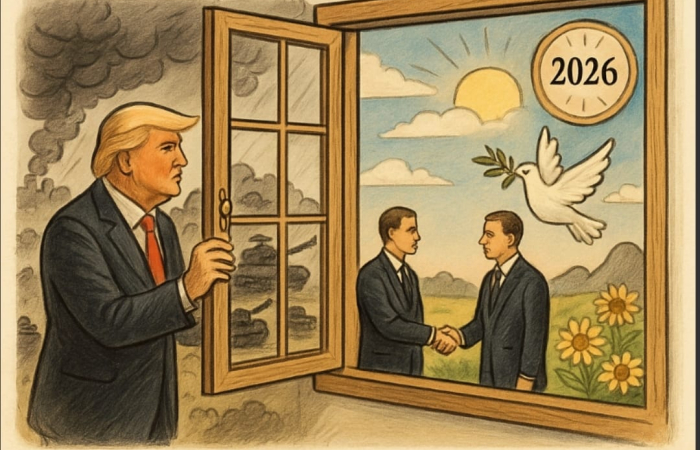
In this analysis,  veteran Azerbaijani journalist and political commentator, Mehman Aliyev, draws lessons from the 1994 Armenia-Azerbaijan ceasefire, to assess what can be possible impact of ceasefire in Ukraine. According to diplomats, a negotiating format or a partial ceasefire based on a modified version of the twenty-eight points is entirely plausible in 2026. A frozen line of contact, monitored by international mechanisms while talks drag on, is more likely than a fully implemented peace treaty by early that same year. “This document opens a window,” said political commentator Farid Gakhramanov. “Whether it means the end of the war or the beginning of a new frozen conflict will depend on the decisions of Moscow, Kyiv, Washington, and Brussels — not on the document itself.” (You can read the full analysis by clicking the image)

Filter archive

Publication date
Editor's choice
Opinion
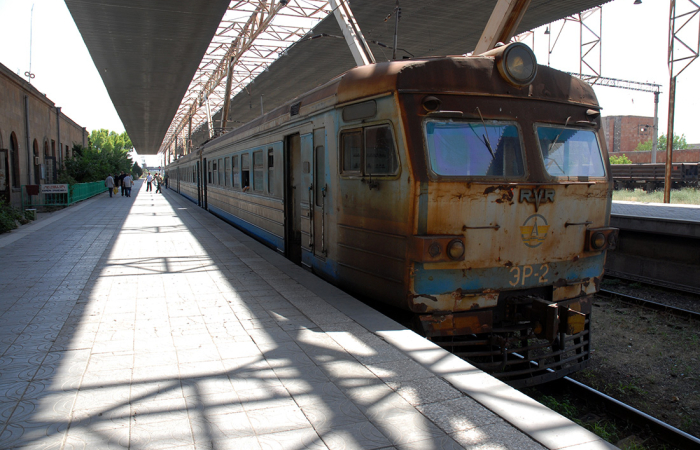
U.S. Interest in Armenia-Azerbaijan Transit Sparks Confusion

U.S. Interest in Armenia-Azerbaijan Transit Sparks Confusion

For the first time in 31 years of the Armenia-Azerbaijan conflict, the situation feels more unpredictable than ever. In the past, there was a grim certainty that another war would erupt just as it did in September 2020 while peace, on the other hand, always seemed distant. In recent weeks, comments from U.S. President Donald Trump that it was almost a done deal simply solicited disagreement among analysts and political commentators.  As if that wasn’t confusion enough, and although both Baku and Yerevan have said that the 10 July meeting between the leaders in Abu Dhabi was constructive, another issue has emerged unexpectedly to distract and deflect attention.
Editor's choice
News
More than 1,100 people killed after clashes in Syria's Druze-majority province of Sweida

More than 1,100 people killed after clashes in Syria's Druze-majority province of Sweida

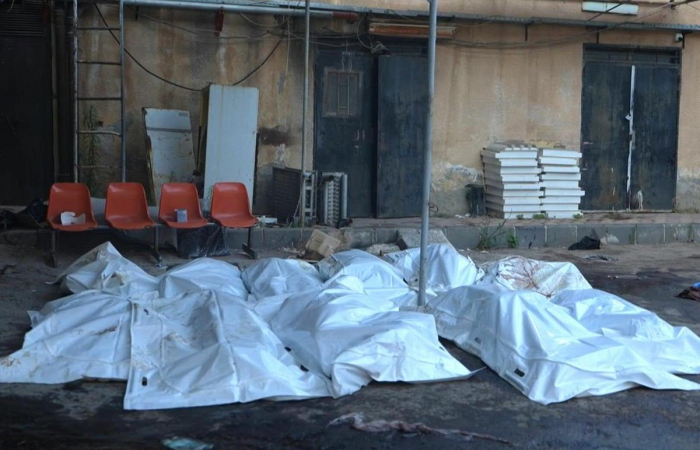
More than 1,100 people, most of them Druze fighters, civilians and government security personnel, have been killed in clashes erupted on July 13 in Syria's Druze-majority province of Sweida, according to the Syrian Observatory for Human Rights monitor. Clashes between local fighters and Sunni Bedouin, spiralled and drew in Syrian government forces, tribal allies of the Bedouin and the military of neighbouring Israel. According to the United Nations, the violence has displaced more than 128,000 people, an issue that has also made collecting and identifying bodies more difficult.
Editor's choice
News
Japanese experts are training Ukrainian teams in landmine detection

Japanese experts are training Ukrainian teams in landmine detection

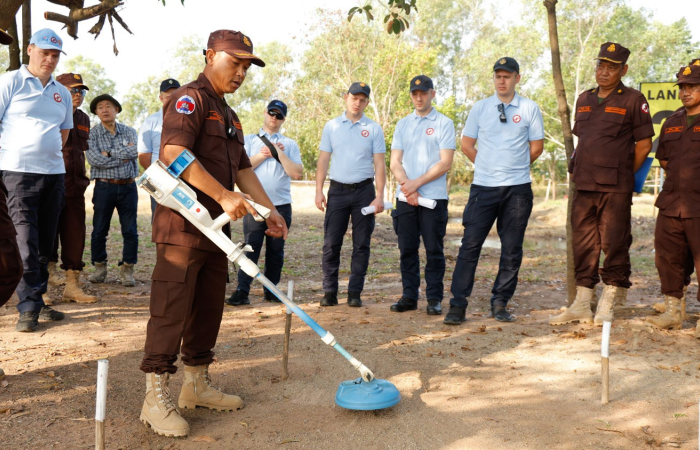
This week, a team of Japanese professionals conducted a landmine detection training programme for Ukrainian demining teams using equipment supplied by Japan. This initiative is intended to support Ukraine's ongoing efforts to clear explosive remnants of war in the context of Russia's ongoing invasion.
Editor's choice
Monday Commentary
Monday Commentary: The War in Ukraine is Europe’s War

Monday Commentary: The War in Ukraine is Europe’s War

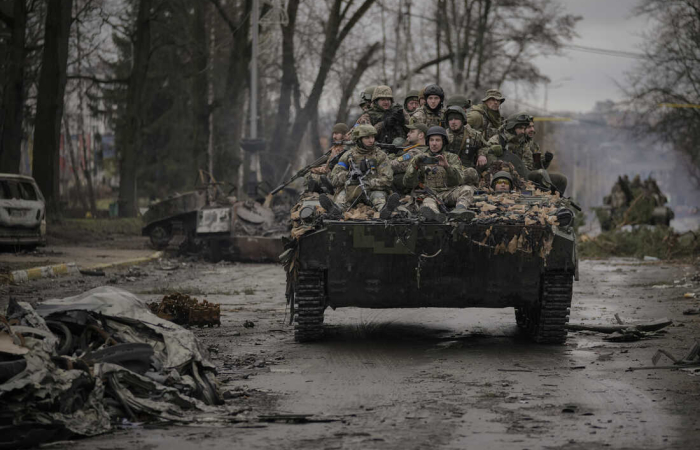
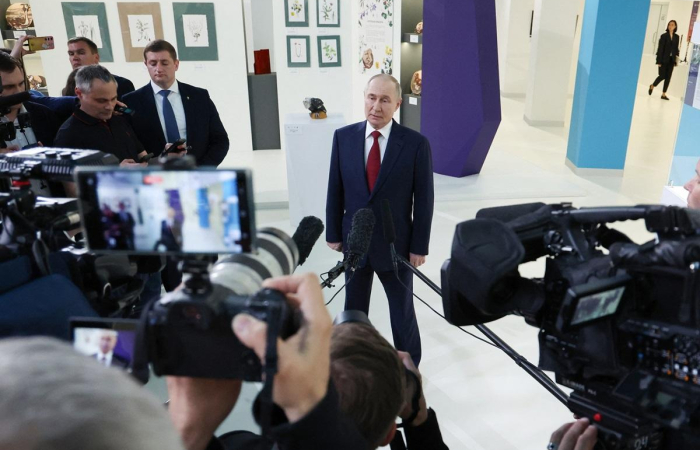
The war in Ukraine, following Russia’s unprovoked invasion in February 2022, has now raged on for three and a half years. Thousands of Ukrainians, military and civilian, have died, and millions of Ukrainians have been displaced. Vladimir Putin brought this calamity on the Ukrainian people, and on his nation too, for political capriciousness and naked ambition. Leaders of European countries understood the seriousness and significance of the moment, not only those near Russia, such as Poland, the Baltic States, Finland and Sweden, but in wider Europe too, including Germany, France, the UK, the Netherlands and beyond. Yet whilst the leaders rose to the occasion, the European public has remained largely indifferent. The majority of Europeans have so far acquiesced to the decision of their leaders to pour billions of euros into the Ukrainian war effort, but the conflict remains distant, and most Europeans carry on with their lives as usual. Putin is perceived more as an oddity than a threat. There is a great risk in this. The European Union High Representative for Foreign and Security Policy, and former Estonian politician, Kaja Kallas, is quoted as saying “Ukraine fights today so that we may not have to fight tomorrow. Their fight is our fight.” True! But that is not the full story.
Editor's choice
Opinion
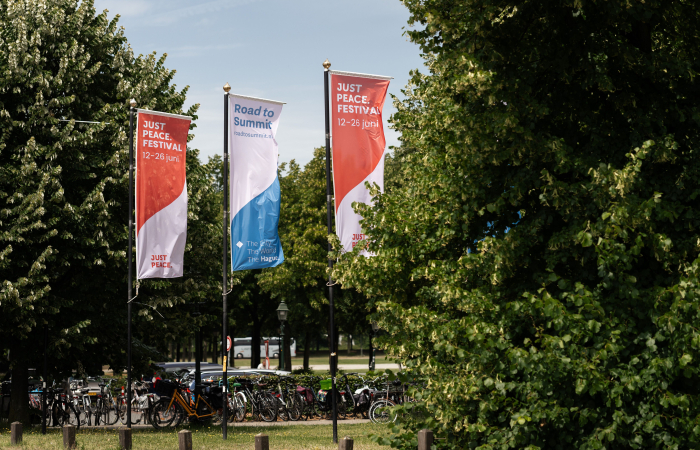
Just Peace - "The Hague Speaks for Peace: Rebalancing Security”

Just Peace - "The Hague Speaks for Peace: Rebalancing Security”

 Last week, as NATO leaders gathered in Brussels for their summit, LINKS Europe joined other civil society organisations in a public statement. The Statement was the initiative of The Hague Humanity Hub. The statement called for a balanced vision of peace and security, one that places people at its heart. At a time when the focus is increasingly drawn toward defense capabilities and military preparedness, the statement urged equal and sustained attention to and investment in the long-term work of building resilient, inclusive, and just societies. This is not an alternative to security, it is the foundation of it, the statement added.
Editor's choice
News
Luhansk the first Ukrainian region fully occupied by Russia

Luhansk the first Ukrainian region fully occupied by Russia

A Russia-appointed official in Ukraine’s occupied Luhansk region was quoted by AP on Monday saying that Moscow’s forces have overrun all of it, one of four regions Russia annexed from Ukraine in September 2022. If confirmed, it would make Luhansk the first Ukrainian region fully occupied by Russia after more than three years of war with international peace efforts led by the US failing to make progress on halting the fighting. Russian President Vladimir Putin has effectively rejected a ceasefire and hasn’t budged from his demands, which include Moscow’s control over the four illegally annexed regions. 
Editor's choice
News
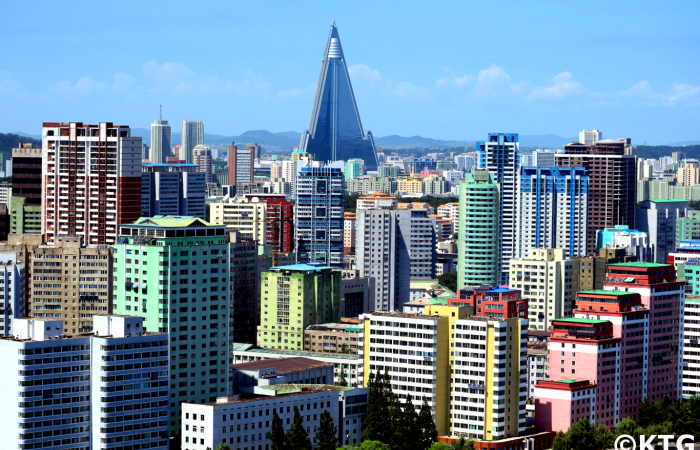
Denmark takes over EU Presidency with a focus on Security, Migration and Enlargement

Denmark takes over EU Presidency with a focus on Security, Migration and Enlargement

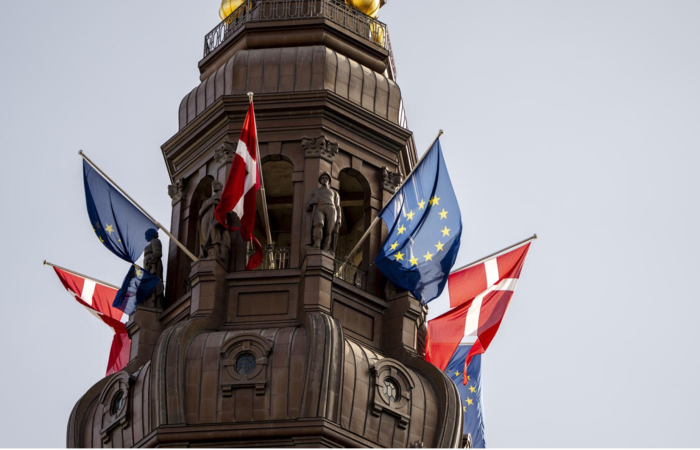
On July 1, Denmark takes over the Presidency of the Council of the European Union for the eighth time. Under the motto ‘A Strong Europe in a Changing World’, the Danish Presidency said its programme of work will ensure that the EU takes responsibility for its own security, while also strengthening its competitiveness. Prime Minister Mette Frederiksen said that priority will be given to boosting defence capabilities in Europe amid Russia's war in Ukraine and US threats to Greenland, a Danish autonomous territory. Pushing countries to keep promises to boost defence spending and bolstering Europe's "dangerous" security will top Denmark’s agenda as it takes over the rotating presidency on Tuesday, according to Prime Minister Mette Frederiksen.