


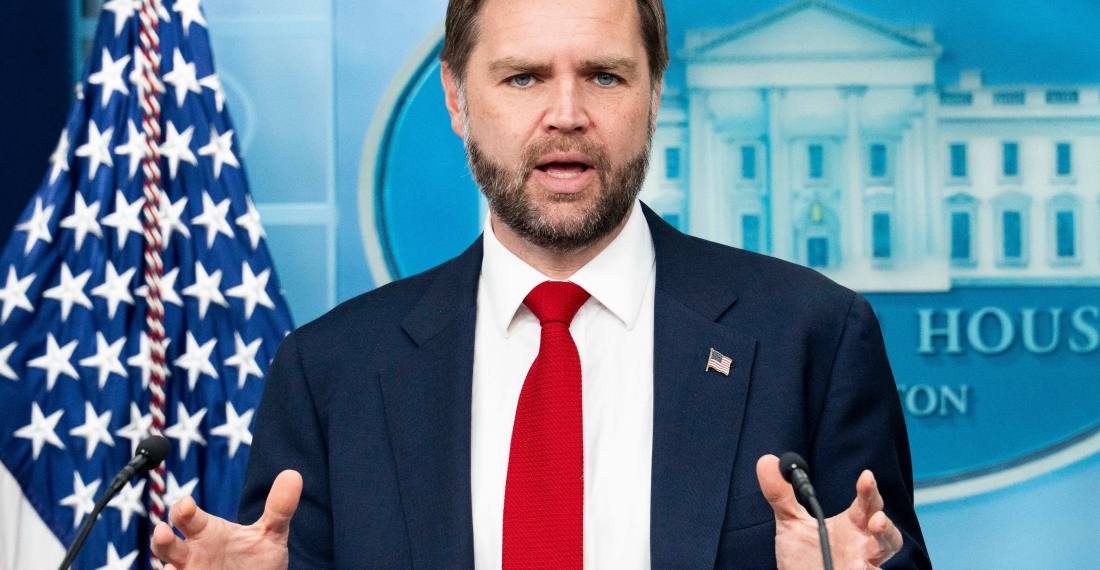
Talks between negotiators from the United States and Iran to implement a lasting peace deal were set to take place in Switzerland on Friday (19 June). US Vice President JD Vance was set to travel to the Swiss village of Obbürgen two days after the signing of a memorandum of understanding (MoU) that opened a 60-day window to implement a lasting peace deal between the nations.
The 60-day window was implemented to allow for discussions around matters such as Iran’s nuclear programme, and global maritime traffic through the Strait of Hormuz.
The White House said the US looked forward to “beginning technical talks as soon as possible”, as it announced that JD Vance, who is leading negotiations for the Trump administration, would now not be travelling.
“The logistics of these negotiations have never been simple or predictable. As of now the vice-president is not departing tonight,” a White House spokesperson said late on Thursday (18 June). The cancellation of the talks came as Israel and Hezbollah traded their most violent strikes since the ceasefire was established.
Israel was left out of the MoU discussions, and has kept fighting against the Iran-backed militant group Hezbollah in Lebanon. Hezbollah targeted Israeli forces in south Lebanon on Thursday (18 June), to which Israel launched a wave of retaliatory airstrikes in south Lebanon and the Bekaa valley that killed at least 18 people.
This has been a major barrier to past peace discussions between the US and Iran, and raises questions about the strength of the current truce. The deal calls for "permanent termination" of the war in Lebanon, but Israel has said it has no intention of withdrawing. Trump has become openly critical of Israel's operations in Lebanon.
Iran's Supreme Leader Ayatollah Mojtaba Khamenei said Trump had signed the deal "out of desperation” and said that "iff the American side wants to be too demanding, we will not accept it”.
Iran's Supreme National Security Council vowed a reciprocal response to any violation by the "untrustworthy" American side, saying it would show "no leniency" until the nation's full rights were secured.
Source: commonspace.eu with The Guardian and Reuters



