This briefing was prepared by the editorial team of commonspace.eu and appeared first in the issue of Arabia Concise on 10 February 2026.
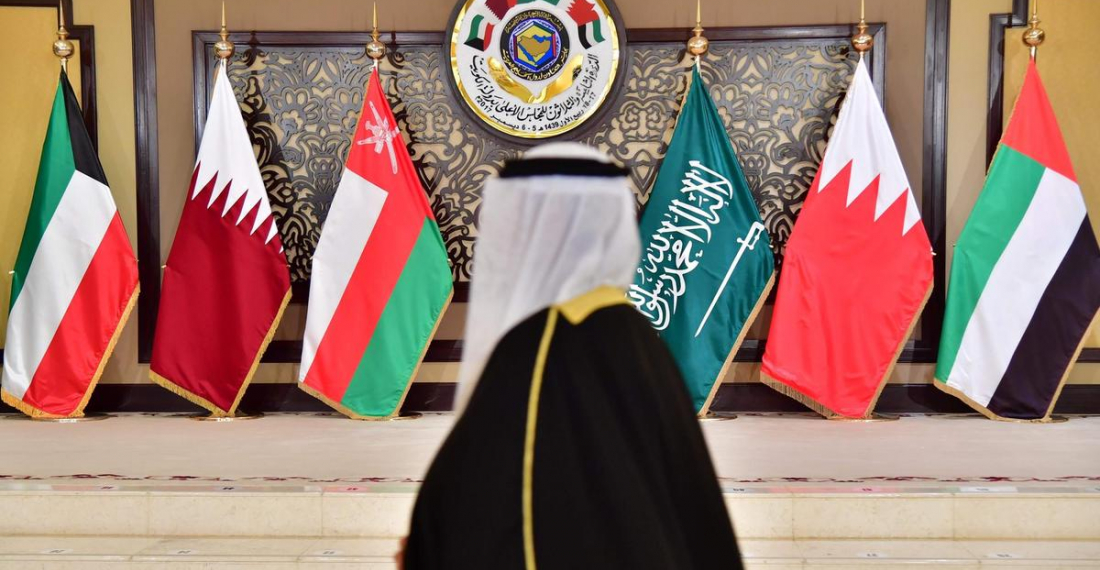
Rivalry between Saudi Arabia, and Abu Dhabi, and the Abu Dhabi led, United Arab Emirates, go back a long time. In the last issue of Arabia Concise, Dr Dennis Sammut discussed the “British peace”, and how it stopped the Saudi drive towards the water of the Gulf.
It stopped the Iranians too, who always considered the Gulf as theirs – it was not known as the Persian Gulf for nothing! Small states emerged – the UAE, Qatar, Bahrain.
Money from natural resources made the UAE and Qatar sometimes appear as superpowers.
Over the last fifty years, Iran has been largely boxed in by sanctions and international isolation. Saudi rulers, sons of Ibn Saud, found a common language with the UAE historical leader, Sheikh Zayed.
Yet when power passed to the new, next generation, rivalry was inevitable.
In his essay in the American journal, Foreign Affairs (6 February 2026), entitled “The real risk of the Saudi-UAE Feud”, Jonathan Panikoff, warns that “regional rivalry will raise tensions far beyond the Gulf”, and that “a rift between Saudi Arabia and UAE is now plain for the world to see”. He warns that if “Washington or European capitals show a preference for one side they will lose influence and investment opportunities with the other. Worse still they could undermine regional stability”. It is unlikely that Washington or European capitals will do so.
One country that may however is Iran. It remains the elephant in the middle. For Iran the Gulf is home. Its not going to leave. It will look at ways it can assert itself, and the UAE-Saudi rivalry presents it with an opportunity.
This briefing was prepared by the editorial team of commonspace.eu and appeared first in the issue of Arabia Concise on 10 February 2026.