Editor's choice
This is a members’ functionality. Please
Sign upAnalysis
Trending
Kazakhstan tip-toes to the future
3 September 2026
Kazakhstan held parliamentary elections last week, under a new constitution. They were far from perfect, as international observers noted, but they heralded a new era in Kazakh politics. President Tokayev has to thread carefully, and balance various interests – not least Putin’s Russia, which considers Kazakhstan an artificial creation, that should always be under Russian control. China has been nibbling into Russian interests in Central Asia, but doing it in its own way, mainly through the many economic tools that it possesses. But Central Asia countries, particularly Kazakhstan and Uzbekistan, now also want to develop their relations with Europe and the west. And internally they are slowly reforming too. This process needs to be supported and encouraged.
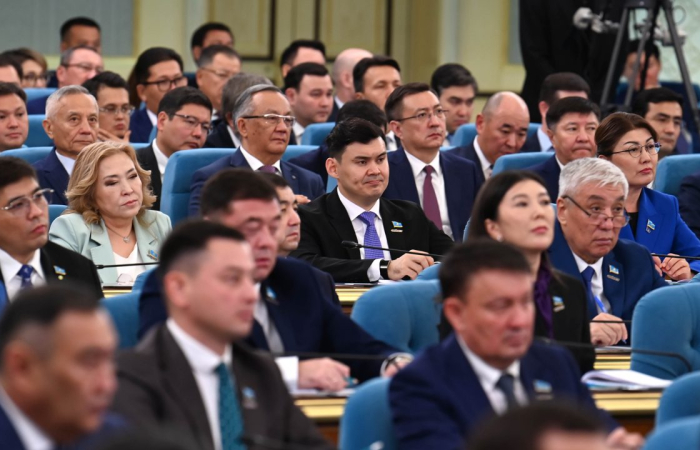
Kazakhstan’s first unicameral parliament, called Kurultai, began its work following the country’s constitutional reforms, and elections, replacing the former two-chamber Parliament. Of its 145 deputies, 111 are new members, while women now hold nearly one-third of the seats and youth representation has increased. President Kassym-Jomart Tokayev called on lawmakers to modernize legislation and bring existing laws into line with the new Constitution. Key priorities include digitalization, artificial intelligence, migration policy and social legislation. The elections held on 23 August “were technically well-prepared”, according to the OSCE Parliamentary Assembly, one of the organisations that observed the elections, “but took place in an environment lacking political pluralism”. Political choice was limited, as all contesting parties supported the incumbent President’s policies. The campaign was orderly with equal conditions, though the new Adilet party held an undue advantage. Laws revised shortly before the vote with limited consultation fall short of international standards on political participation. (click image to read more)
commonspace.eu editorial team