Theme

Domestic Politics

Stories related to the internal politics of states and various domestic issues. 

Editor's choice
News
Germany accuses Russia of cyberattacks and disinformation campaign

Germany accuses Russia of cyberattacks and disinformation campaign

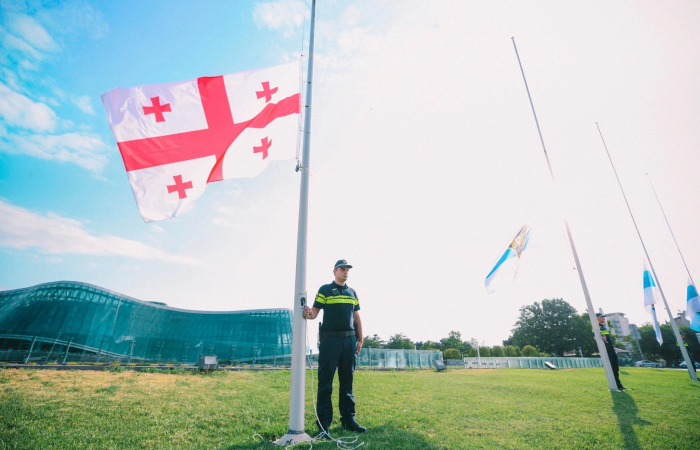
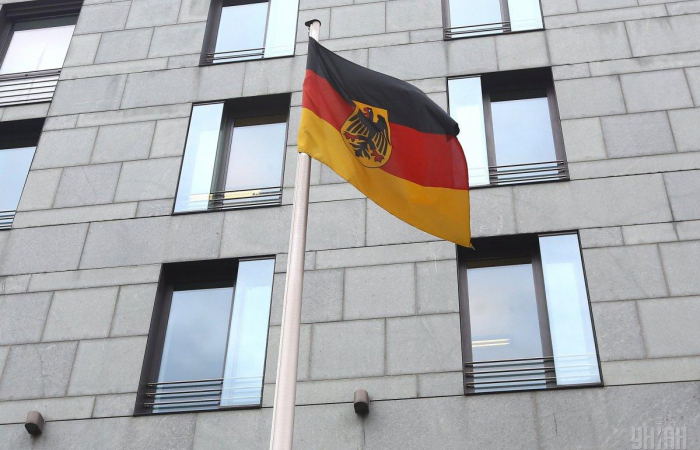
The German government holds Russia responsible for a cyberattack on German air traffic control, and for targeted disinformation campaigns before the last federal election. According to the German Foreign Office in Berlin, the incidents could be clearly attributed to the Russian military intelligence service, the GRU. In response, the Russian ambassador to Berlin was summoned to the Foreign Ministry. "We have been observing a massive increase in threatening hybrid activities by Russia for some time now," a spokesperson for the Foreign Ministry stated. These range from disinformation campaigns and espionage to cyberattacks and sabotage attempts. The aim is to divide society, sow distrust, and undermine confidence in democratic institutions. The spokesperson added that with these actions, Russia is "very concretely threatening our security, not only through its war of aggression against Ukraine, but also here in Germany."  The Foreign Ministry spokesperson explained that the cyberattack on air traffic control in August 2024 was clearly attributed to the hacker collective "APT28," known as "Fancy Bear," and to the responsibility of the Russian military intelligence service, the GRU. Furthermore, it could now be "conclusively stated" that Russia had attempted "to influence and destabilize both the last Federal election and the ongoing internal affairs of the Federal Republic of Germany." There was "absolutely irrefutable evidence" for this". The so-called "Storm 1516" campaign, which has been running since 2024, is allegedly backed by "reliable information" that the Moscow-based think tank "Center for Geopolitical Expertise" is behind it. The Center is also said to be supported by Russian military intelligence. Its primary aim is to influence democratic elections in the West. (Click the image to read more).
Filter archive

Publication date
Editor's choice
News
The man who ended an era and triggered the collapse of an empire

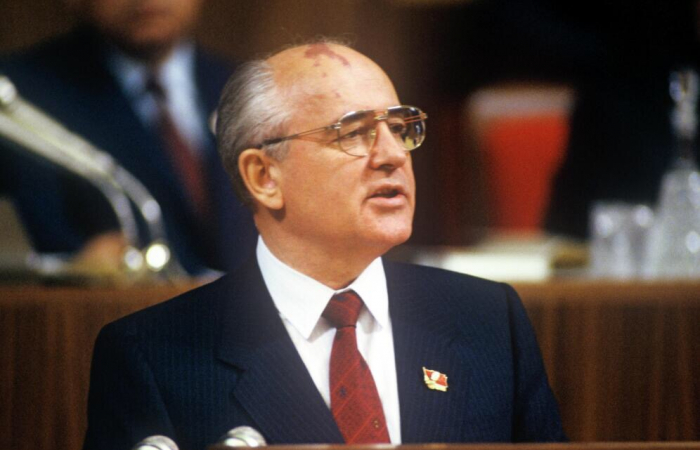
The man who ended an era and triggered the collapse of an empire

The eighth and last leader of the former Soviet Union Mikhail Sergeyevich Gorbachev has died. He was 91 years old. Gorbachev is considered a giant political figure who initiated the processes that ended the Cold War that had dominated international relations in the second half of the 20th century. His attempt to reform the Soviet Union met strong resistance, including a failed attempted coup by the KGB and the Army, and finally led to both his political demise, and the dissolution of the USSR into fifteen independent states. Born on 2nd March 1931 to a peasant family in the Stavropol region in the south of the Russian SSR, Mikhail Gorbachev was the architect of the policies of glasnost' (openness) and perestroika (restructuring) that tried to reform the Soviet system from within. Many Russians, including the current leadership in the Kremlin blame Gorbachev for the Soviet Union's collapse and see him as a direct cause of Russia's problems in the 21st century, but Gorbachev was only trying to reverse the rot that had set-in at all levels of the Soviet state. He persisted with his reform programme despite the risks. He was awarded the Nobel Peace Prize in 1990, and after leaving power spent his time as Head of the Gorbachev Foundation.
Editor's choice
News
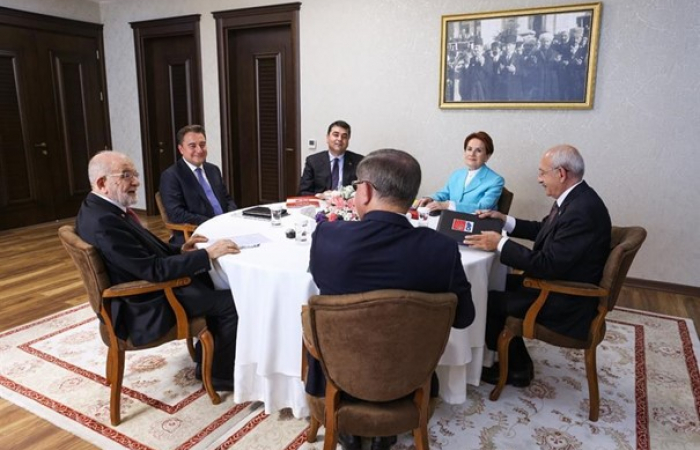
Turkish opposition parties agree to field a single candidate against Erdogan in next year's presidential election

Turkish opposition parties agree to field a single candidate against Erdogan in next year's presidential election

The leaders of six opposition parties in Turkey have agreed to run in the next presidential elections, scheduled for next June, with a joint candidate. At their sixth meeting, held over the weekend they did not say who that candidate will be. “Our people should be assured that our joint candidate will be the president of all and not only the 13th President of the Republic of Turkey and those who vote for the political parties coming together around this table,” read a joint statement released following the meeting of the leaders of the Nation Alliance on  Sunday (21 August). “We are aware of the disappointments that our people have been suffering from for years. We will come out with eligible cadres and efficient policies to relive the people’s disappointments,” it noted. The opposition parties are expected to hold their next meeting on 2 October.
Editor's choice
News
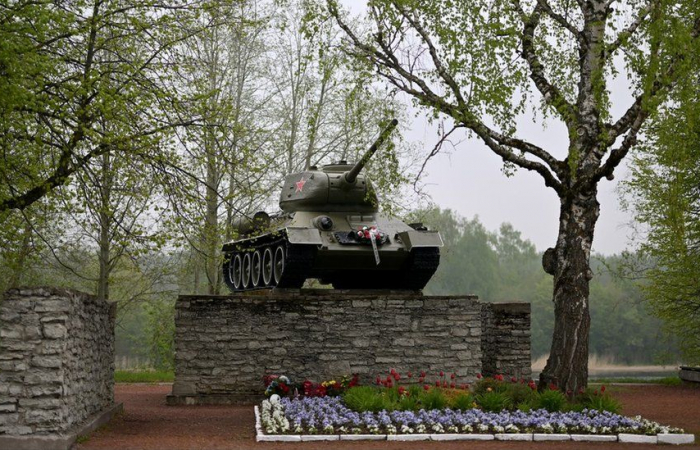
Estonia removes Soviet WWII memorial amid controversy

Estonia removes Soviet WWII memorial amid controversy

Estonia has removed a Soviet-era World War II memorial from Narva, a large Russian-speaking majority city, accusing Russia of using such monuments to stir up tensions. In a controversial move that is likely to bring relations with Russia to a new low Estonia has decided to remove a tank which formed part of the War memorial in the town which is close to the Russian border. People in the Baltic States fought on both sides during WWII, and issues regarding remembrance activities and monuments remain highly sensitive and controversial.  Prime Minister Kaja Kallas said in a statement that the move was a response to “increasing tensions and confusion around memorials in Narva”. “We must act quickly to ensure public order and internal security,” she said on Tuesday. Local opposition to removing the monument had sparked fears of a repetition of the rioting that broke out in Tallinn in 2007 due to the removal of a Soviet monument. A World War II-era T-34 tank that formed part of the memorial in Narva will be taken to the Estonian War Museum and a mass grave of wartime victims will instead be given a “neutral grave marker”.
Editor's choice
News
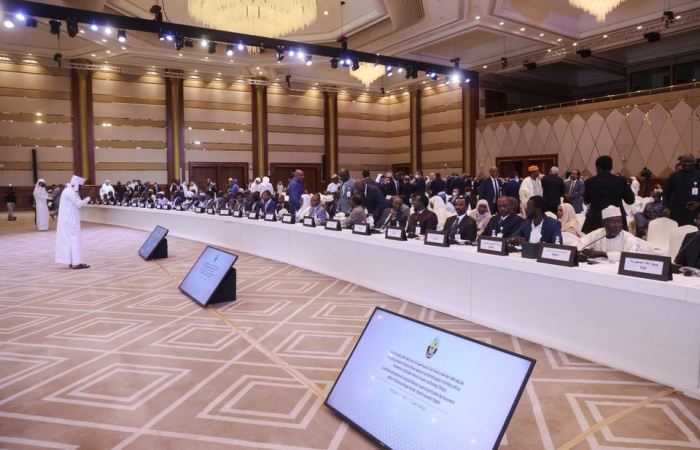
Chad government and opposition groups sign peace pledge after talks in Doha

Chad government and opposition groups sign peace pledge after talks in Doha

Chad’s military government and opposition groups signed a pledge on Monday (8 August) in Qatar ahead of planned national reconciliation talks, though the deal did not include the country’s main opposition group. Qatar has been mediating between the different sides since last March. Under the terms of the deal in Doha, those who signed have agreed to a cease-fire ahead of the talks scheduled for 20 August in the Chadian capital of N’Djamena. Chad’s military government also agreed to “not take any military or police operations against the signing groups” in neighbouring countries. However, the Front for Change and Concord in Chad, the main rebel group in the country, did not sign the pledge. We hope “other groups will join the march of reconciliation and peace, with a view to achieving the aspirations and dreams of the Chadian people,” Qatari Foreign Minister Sheikh Mohammed bin Abdulrahman Al-Thani told those gathered for the signing ceremony. “The initial peace agreement we are celebrating today will be an important turning point toward stability and prosperity for the Chadian people.”