Theme

Defence

Stories related to defence, strategy and cooperation. 

Editor's choice
News
NATO Chief says war is on Europe's doorstep, and warns against complacency

NATO Chief says war is on Europe's doorstep, and warns against complacency

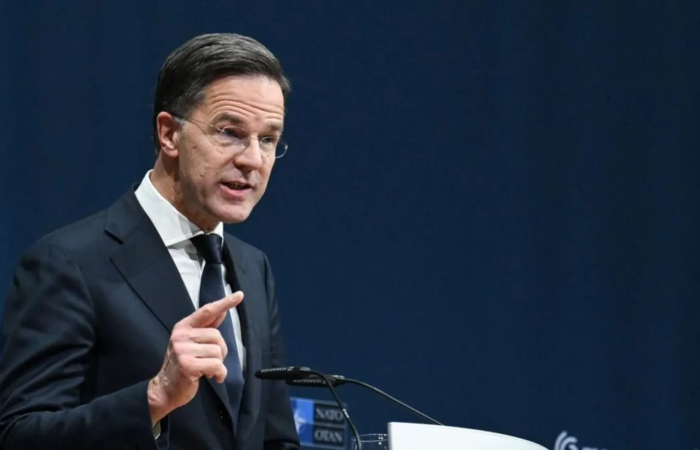
Russia could attack a Nato country within the next five years, the Secretary General of NATO, Mark Rutte, said in a stark new warning. "Nato's own defences can hold for now," Rutte warned in Berlin, but conflict was "next door" to Europe and he feared "too many are quietly complacent, and too many don't feel the urgency, too many believe that time is on our side. "Russia is already escalating its covert campaign against our societies," Rutte said in a speech in Germany. "We must be prepared for the scale of war our grandparents or great-grandparents endured." Earlier this month, Russia's President Vladimir Putin said his country was not planning to go to war with Europe, but it was ready "right now" if Europe wanted to - or started a war. But similar reassurances were given by Moscow in 2022, just before 200,000 Russian troops crossed the border and invaded Ukraine. Putin has accused European countries of hindering US efforts to bring peace in Ukraine - a reference to the role Ukraine's European allies have recently played in trying to change a US peace plan to end the war, whose initial draft was seen as favouring Russia. But Putin was not sincere, Nato's secretary-general said in the German capital, Berlin. Supporting Ukraine, he added, was a guarantee for European security. "Just imagine if Putin got his way; Ukraine under the boot of Russian occupation, his forces pressing against a longer border with Nato, and the significantly increased risk of an armed attack against us." Russia's economy has been on a war footing for more than three years now - its factories churn out ever more supplies of drones, missiles and artillery shells. According to a recent report by the Kiel Institute for the World Economy, Russia has been producing each month around 150 tanks, 550 infantry fighting vehicles, 120 Lancet drones and more than 50 artillery pieces. The UK, and most of its Western allies, are simply not anywhere near this point. Analysts say it would take years for Western Europe's factories to come close to matching Russia's mass-production of weapons. "Allied defence spending and production must rise rapidly, our armed forces must have what they need to keep us safe," the Nato chief said.
Editor's choice
Analysis
Mehman Aliyev on what "peace" can look like for Ukraine

Mehman Aliyev on what "peace" can look like for Ukraine

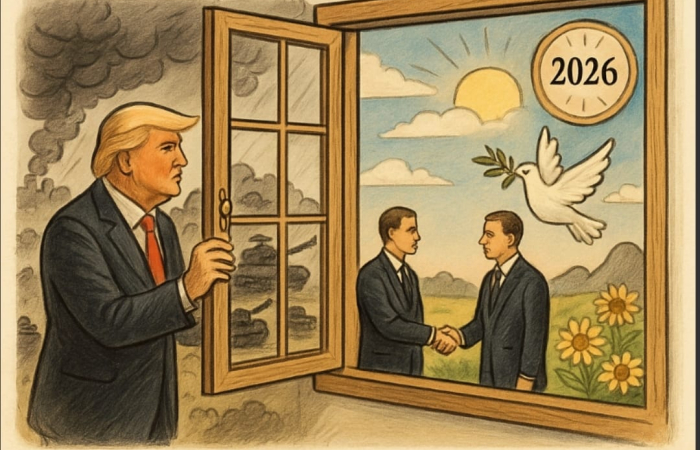
In this analysis,  veteran Azerbaijani journalist and political commentator, Mehman Aliyev, draws lessons from the 1994 Armenia-Azerbaijan ceasefire, to assess what can be possible impact of ceasefire in Ukraine. According to diplomats, a negotiating format or a partial ceasefire based on a modified version of the twenty-eight points is entirely plausible in 2026. A frozen line of contact, monitored by international mechanisms while talks drag on, is more likely than a fully implemented peace treaty by early that same year. “This document opens a window,” said political commentator Farid Gakhramanov. “Whether it means the end of the war or the beginning of a new frozen conflict will depend on the decisions of Moscow, Kyiv, Washington, and Brussels — not on the document itself.” (You can read the full analysis by clicking the image)

Filter archive

Publication date
Editor's choice
News
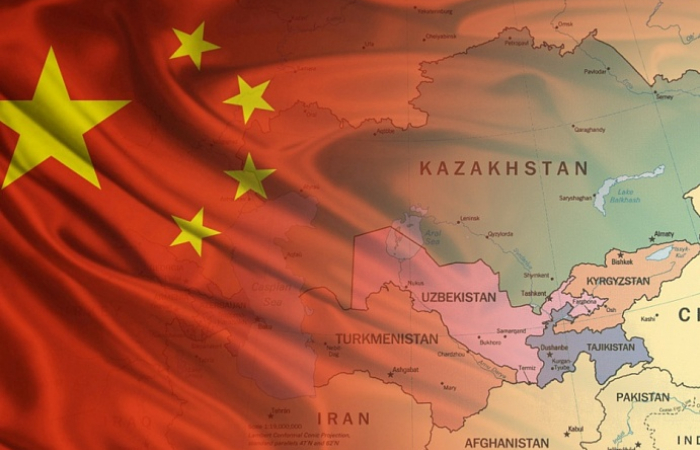
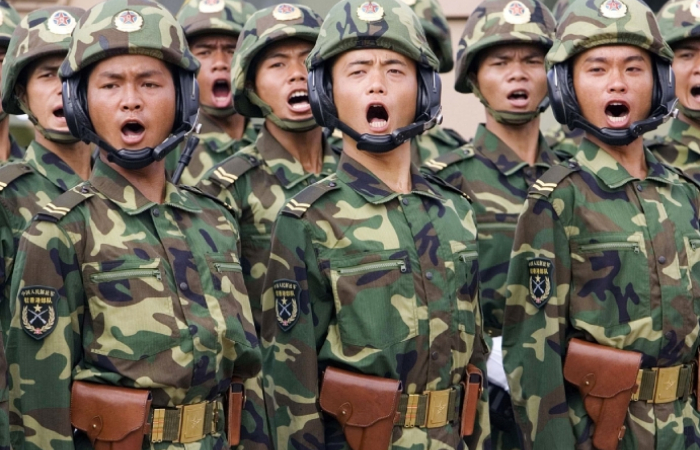
China rushes to build security contacts in Central Asia in the face of Taliban advance

China rushes to build security contacts in Central Asia in the face of Taliban advance

China is rushing to build or increase security ties in Central Asia in the face of a Taliban advance following the withdrawal of US troops from Afghanistan next month. However, some sources claim China is actually financing the Taliban, a report in the Russian newspaper Nezavisimaya Gazeta says.
Editor's choice
Opinion
Opinion: Containing China is no longer possible despite the fact that many want to

Opinion: Containing China is no longer possible despite the fact that many want to

China was on everyone's lips at numerous summits and international gatherings in the last days and weeks, writes Benyamin Poghosyan in this op-ed for commonspace.eu. "China will be among the key world players throughout the 21st century; it will be the number one economic power, and all have to accept and adapt to this reality. No one has the necessary capacity to contain China, despite the fact that many want to, for the moment for doing that has passed." 
Editor's choice
News
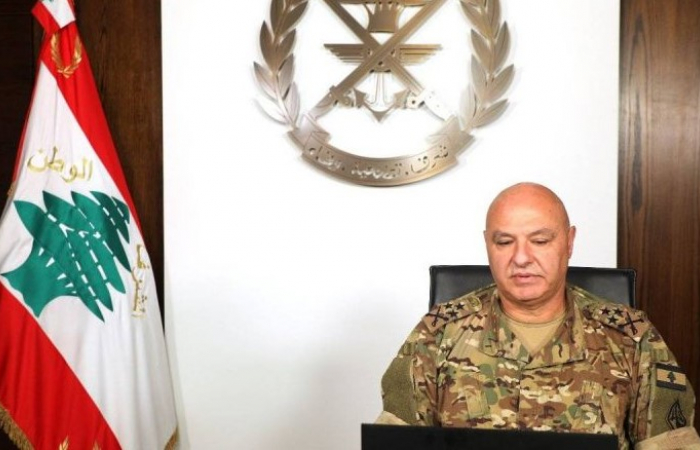
Lebanon's military chief says army will collapse without urgent aid

Lebanon's military chief says army will collapse without urgent aid

The commander of the Lebanese armed forces, General Joseph Aoun, appealed to the international community on Thursday (17 June) to support the army, warning that its “collapse” will fuel chaos and insecurity. His statement was addressed to representatives of various states at a French-sponsored conference to support the army. 
Editor's choice
News
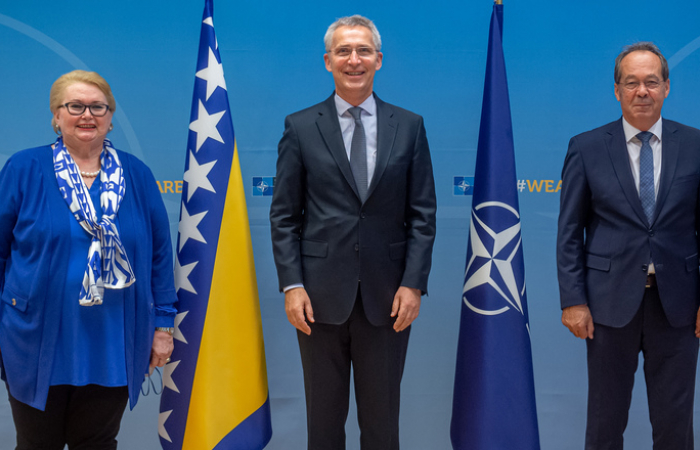
NATO identifies China as a "systematic challenge"

NATO identifies China as a "systematic challenge"

The leaders of NATO countries, representing thirty member states in Europe and North America, have identified China as a “systematic challenge” and promised to work together to address this. NATO leaders reaffirmed the Alliance’s dual-track approach of defence and dialogue towards Russia. They also pledged to continue to support NATO partners Ukraine and Georgia, bringing them closer to the Alliance.
Editor's choice
News
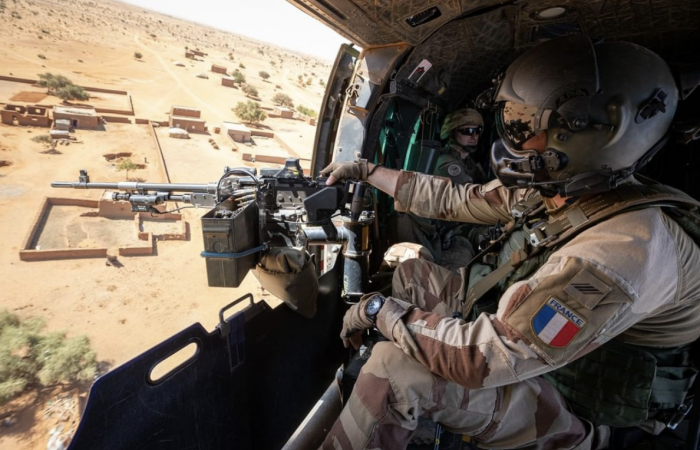
France suspends military co-operation with Mali

France suspends military co-operation with Mali

France had already threatened sanctions and the withdrawal of its troops from Mali following the coup which brought to power Colonel Assimi Goïta. The French republic has now gone from threat to action, choosing to suspend "as a precautionary and temporary measure" its bilateral military co-operation with the Sahel country.
Editor's choice
News
Georgian forces start withdrawing from Afghanistan

Georgian forces start withdrawing from Afghanistan

More than 20,000 Georgian servicemen have participated in the mission in Afghanistan since 2004, usually serving six monthly rotations.  Predominantly tasked with peacekeeping in the volatile Helmand province, Georgia was the largest non-NATO, as well as largest per-capita, contributor to ISAF mission. Dozens of Georgian soldiers were killed or injured during the Afghanistan operation.