Theme

Conflict and Peace

Stories related to violent conflicts, diplomatic tensions, and conflict prevention, mediation and resolution.

Editor's choice
News
European leaders set out their plan for Ukraine

European leaders set out their plan for Ukraine

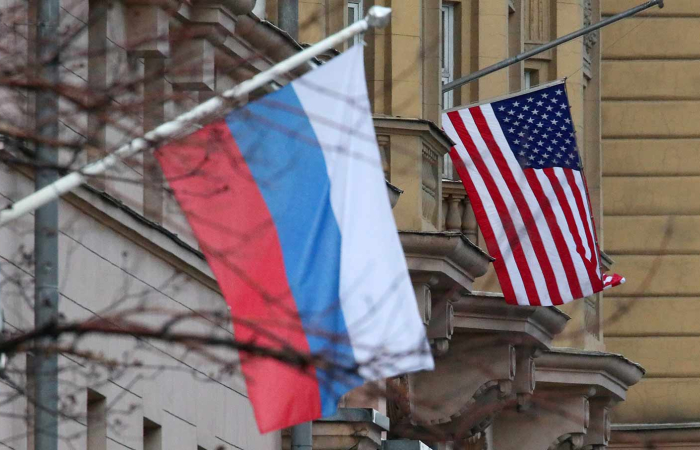
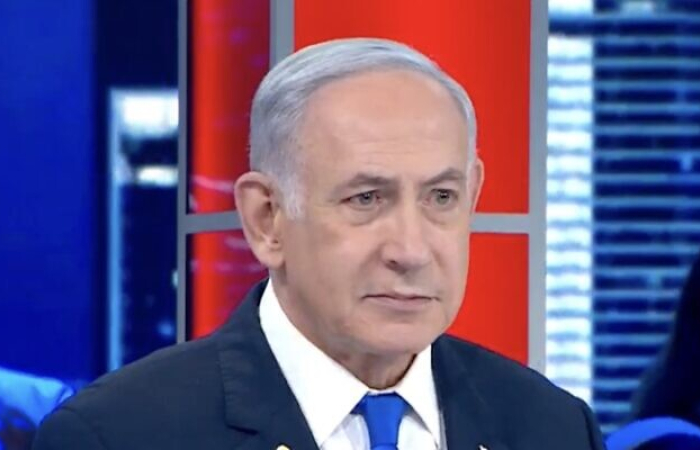
The leaders of Germany, Denmark, Finland, France, Italy, Netherlands, Norway, Poland, Sweden, and United Kingdom, together with the President of the European Council, and the President of the European Commission, o  Monday (15 December) issued a statement, outlining their plan for Ukraine. In their statement, Chancellor Merz, Prime Minister Frederiksen, President Stubb, President Macron, Prime Minister Meloni, Prime Minister Schoof, Prime Minister Støre, Prime Minister Tusk, Prime Minister Kristersson, Prime Minister Starmer, as well as President Costa and President von der Leyen spoke about "Peace for Ukraine". The Leaders welcomed significant progress on President Trump’s efforts to secure a just and lasting peace in Ukraine. They also welcomed the close work between President Zelenskyy’s and President Trump’s teams as well as European teams over the recent days and weeks. They agreed to work together with President Trump and President Zelenskyy to get to a lasting peace which preserves Ukrainian sovereignty and European security. Leaders appreciated the strong convergence between the United States, Ukraine and Europe. Leaders agreed that ensuring the security, sovereignty, and prosperity of Ukraine was integral for wider Euro-Atlantic security. They were clear that Ukraine and its people deserved a prosperous, independent, and sovereign future, free from fear of future Russian aggression. Both the US and European leaders committed to work together to provide robust security guarantees and economic recovery support measures for Ukraine in the context of an agreement on ending the war. This would include commitments to: Provide sustained and significant support to Ukraine to build its armed forces, which should remain at a peacetime level of 800,000 to be able to deter conflict and defend Ukraine’s territory. A European-led ‘multinational force Ukraine’ made up from contributions from willing nations within the framework of the Coalition of the Willing and supported by the US. It will assist in the regeneration of Ukraine’s forces, in securing Ukraine’s skies, and in supporting safer seas, including through operating inside Ukraine. (Click the image to read the statement in full).
Editor's choice
News
NATO Chief says war is on Europe's doorstep, and warns against complacency

NATO Chief says war is on Europe's doorstep, and warns against complacency

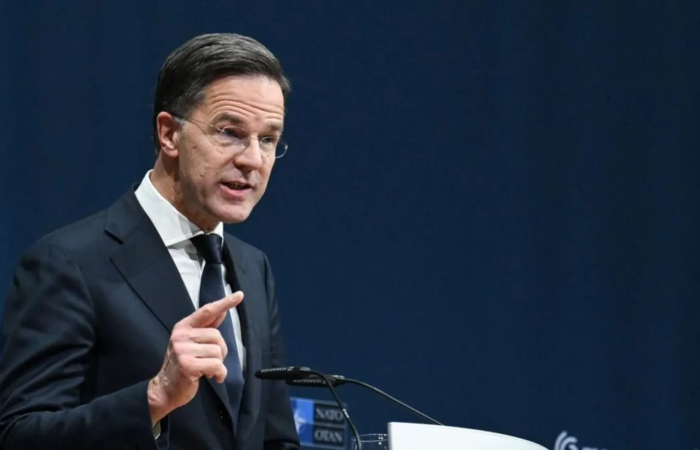
Russia could attack a NATO country within the next five years, the Secretary General of NATO, Mark Rutte, said in a stark new warning. "NATO's own defences can hold for now," Rutte warned in Berlin, but conflict was "next door" to Europe, and he feared "too many are quietly complacent, and too many don't feel the urgency, too many believe that time is on our side. "Russia is already escalating its covert campaign against our societies," Rutte said in a speech in Germany. "We must be prepared for the scale of war our grandparents or great-grandparents endured." Earlier this month, Russia's President Vladimir Putin said his country was not planning to go to war with Europe, but it was ready "right now" if Europe wanted to - or started a war. But similar reassurances were given by Moscow in 2022, just before 200,000 Russian troops crossed the border and invaded Ukraine. Putin has accused European countries of hindering US efforts to bring peace in Ukraine - a reference to the role Ukraine's European allies have recently played in trying to change a US peace plan to end the war, whose initial draft was seen as favouring Russia. But Putin was not sincere, Nato's secretary-general said in the German capital, Berlin. Supporting Ukraine, he added, was a guarantee for European security. "Just imagine if Putin got his way; Ukraine under the boot of Russian occupation, his forces pressing against a longer border with Nato, and the significantly increased risk of an armed attack against us." Russia's economy has been on a war footing for more than three years now - its factories churn out ever more supplies of drones, missiles and artillery shells. According to a recent report by the Kiel Institute for the World Economy, Russia has been producing each month around 150 tanks, 550 infantry fighting vehicles, 120 Lancet drones and more than 50 artillery pieces. The UK, and most of its Western allies, are simply not anywhere near this point. Analysts say it would take years for Western Europe's factories to come close to matching Russia's mass-production of weapons. "Allied defence spending and production must rise rapidly, our armed forces must have what they need to keep us safe," the Nato chief said.

Filter archive

Publication date
Editor's choice
News
Outgoing Dutch PM Mark Rutte officially named next NATO chief

Outgoing Dutch PM Mark Rutte officially named next NATO chief

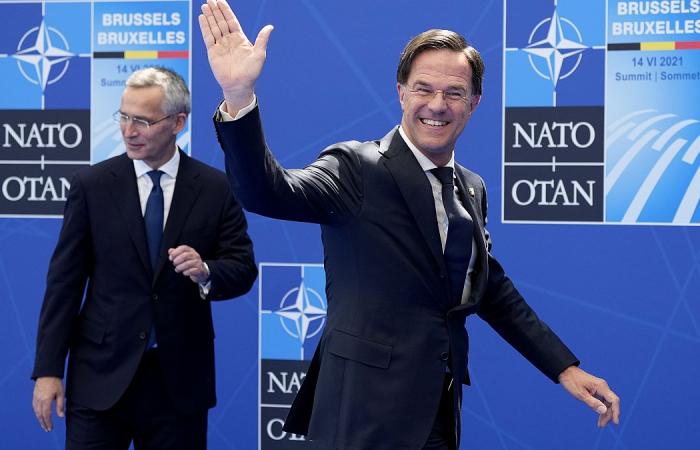
The 32 NATO countries have officially elected outgoing Dutch Prime Minister Mark Rutte as the next Secretary General of the transatlantic military alliance. NATO made the announcement on Wednesday (26 June). Rutte will take over when current NATO chief Jens Stoltenberg completes his final term on 1 October 2024.
Editor's choice
News
International Criminal Court issues arrest warrant for former Russian defence minister

International Criminal Court issues arrest warrant for former Russian defence minister

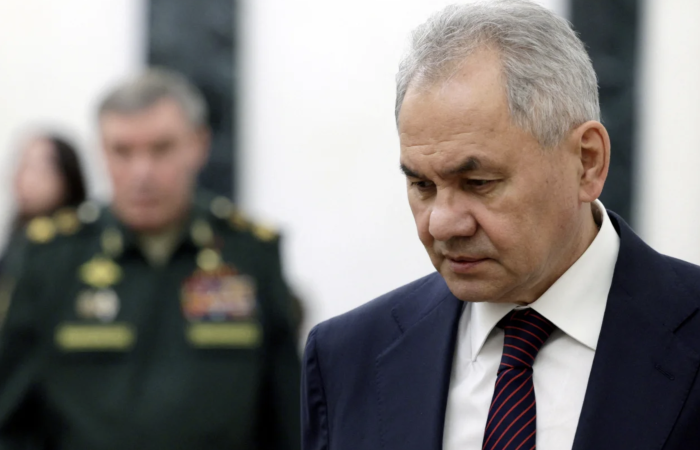
The International Criminal Court (ICC) issued an arrest warrant on Tuesday (25 June) for former Russian Defence Minister Sergei Shoigu. He is suspected of being responsible for attacks on civilian targets in Ukraine between October 2022 and March 2023. An arrest warrant has also been issued for Valery Gerasimov, commander-in-chief of the Russian army.
Editor's choice
News
EU adopts 14th package of sanctions against Russia

EU adopts 14th package of sanctions against Russia

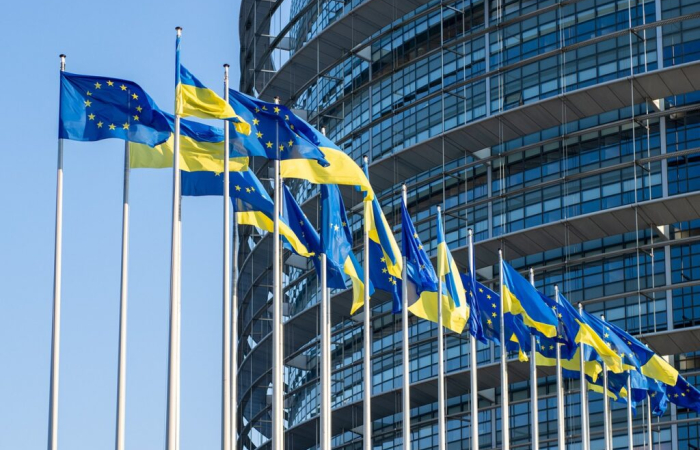
The Council of the European Union on Monday (24 June) adopted a 14th package of economic and individual restrictive measures against Russia, "dealing a further blow to the Putin regime and those who perpetuate its illegal, unprovoked and unjustified war of aggression against Ukraine". These measures are designed to target high-value sectors of the Russian economy, such as energy, finance and trade, and make it increasingly difficult to evade EU sanctions.
Editor's choice
News
Somalia fears Islamic resurgence and asks peacekeepers to slow withdrawal

Somalia fears Islamic resurgence and asks peacekeepers to slow withdrawal

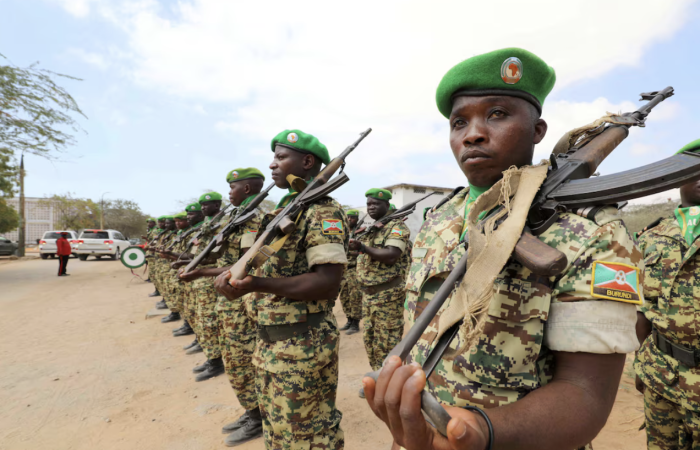
Somalia's government is trying to delay the withdrawal of African peacekeepers, warning of a potential security vacuum, according to documents seen by Reuters. Neighbouring countries are concerned that resurgent al-Shabab militants could seize power. The African Union Transitional Mission in Somalia (ATMIS) is due to withdraw by 31 December, to be replaced by a smaller new force. But in a letter last month to the acting chair of the African Union Peace and Security Council, the Somali government asked for the withdrawal of half of the 4,000 troops due to leave by the end of June to be delayed until September. The letter had not been previously reported. A joint assessment by the Somali government and the AU in March, seen by Reuters, recommended adjusting the overall withdrawal timetable based on the readiness and capabilities of Somali forces. The assessment, which was mandated by the UN Security Council, warned that 'a hasty withdrawal of ATMIS personnel will contribute to a security vacuum'. Mursal Khalif, an independent member of parliament, expressed deep concern about the country's direction. The European Union and the United States, the main funders of the AU force in Somalia, have sought to reduce the peacekeeping operation because of concerns about long-term funding and sustainability, according to four diplomatic sources and a senior Ugandan official. Negotiations over a new force have been complex, with the AU initially pushing for a more robust mandate than Somalia wanted, three diplomatic sources said. A heated political dispute could lead Ethiopia to withdraw some of its most experienced troops.
Editor's choice
News
The United States to give Ukraine priority for new Patriot missiles

The United States to give Ukraine priority for new Patriot missiles

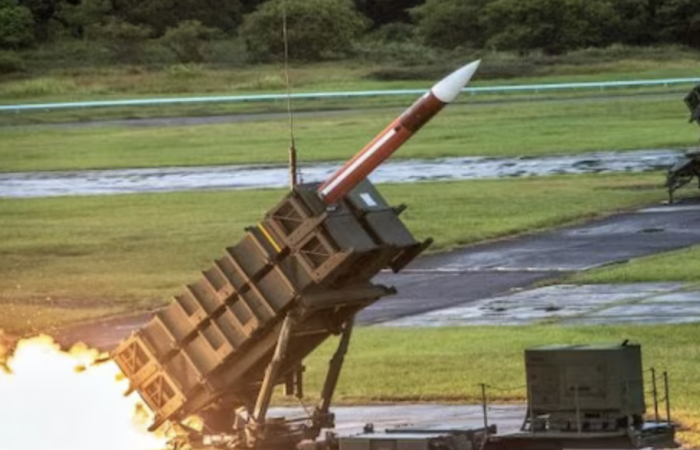
The United States is moving Ukraine to the top of the list to receive air defence interceptors to protect its cities from the onslaught of Russian missile attacks. The policy decision applies to interceptors used by the Patriot and other air defence systems to shoot down incoming missiles and drones. As a result, the US will give priority to Ukraine for Patriot surface-to-air missiles. Deliveries to other countries will be delayed to allow Ukraine to build up a sufficient stockpile.
Editor's choice
News
Ship attacked by Yemen's Houthis in the Red Sea has sunk, but uncertainty remains over other vessel

Ship attacked by Yemen's Houthis in the Red Sea has sunk, but uncertainty remains over other vessel

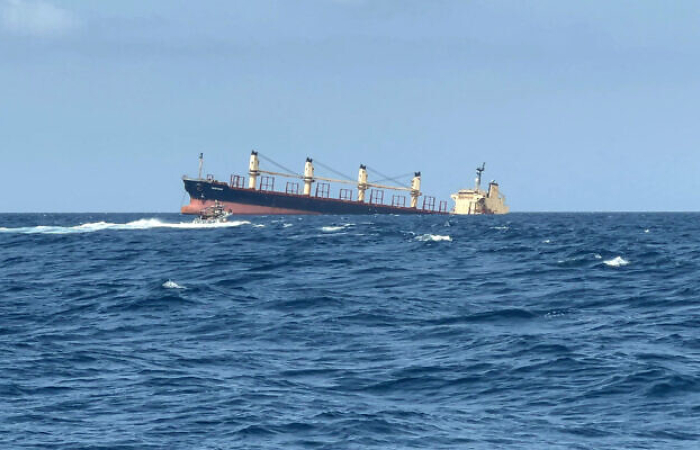
Debris and oil have been found in the Red Sea, where the Liberian-flagged, Greek-owned bulk carrier M/V Tutor was attacked by Yemen's Iran-aligned Houthis on 12 June 2024. According to the United Kingdom Maritime Trade Operations (UKMTO), the vessel is believed to have sunk. One crew member, believed to be in the Tutor's engine room at the time of the attacks, remains missing.