Region

North Africa and the Sahel

Stories under this heading cover North Africa and the Sahel. North Africa is a region encompassing the northern portion of the African continent. It stretches from the Atlantic shores of Mauritania to Egypt's Suez Canal and the Red Sea. The Sahel spans from the eastern shores of the African continent, starting from Sudan and continuing up to the Atlantic shores of Mauritania and Senegal.

Editor's choice
News
UN Secretary-General calls for end to war in Sudan that is ‘spiralling out of control’

UN Secretary-General calls for end to war in Sudan that is ‘spiralling out of control’

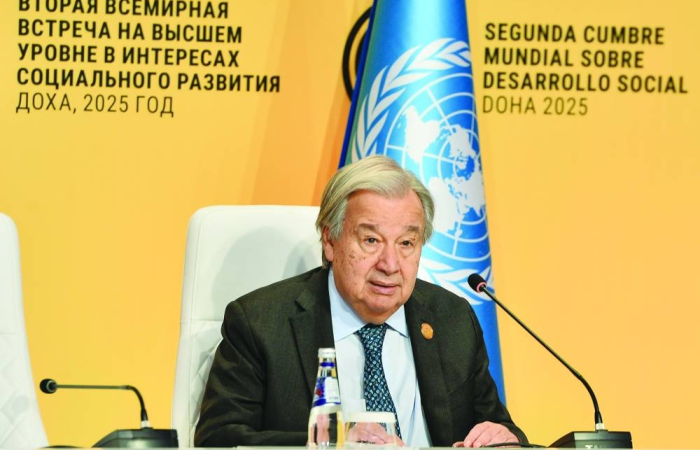
The United Nations Secretary-General has warned that the war in Sudan is “spiralling out of control” after a paramilitary force seized the besieged and famine-stricken Darfur city of el-Fasher. Speaking in Qatar during the opening of the World Summit for Social Development on 4th November, Antonio Guterres called for an immediate ceasefire in the two-year conflict that has become one of the world’s worst humanitarian crises.

Filter archive

Publication date
Editor's choice
Monday Commentary
The free market in foreign policy on display as Xi meets the Arabs

The free market in foreign policy on display as Xi meets the Arabs

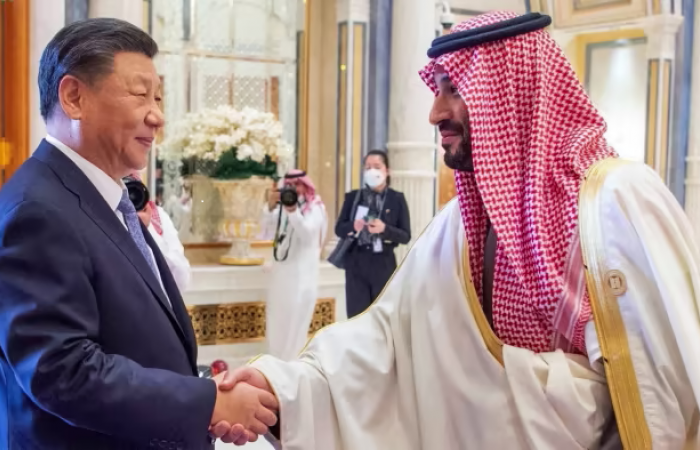
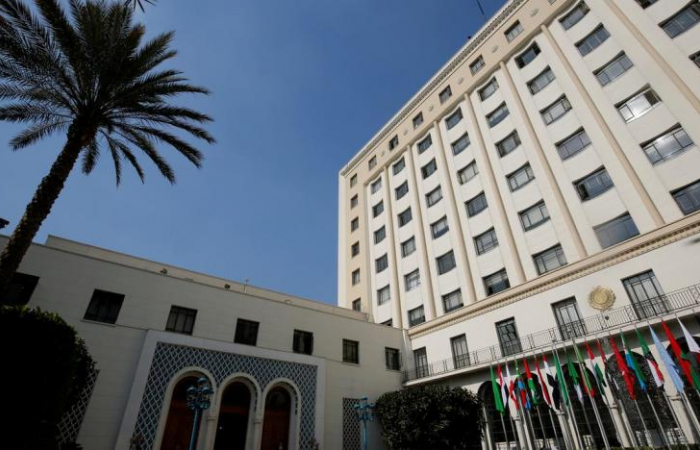
It appears that the principles of the free market now dominate the international system, not only in areas of trade, but also in defence, security and foreign policy, writes Dennis Sammut in today's Monday Commentary on commonspace.eu. Bigger countries are wooing smaller countries, unashamedly displaying their goods, and dismissing those of others. China’s president Xi was in Saudi Arabia last week, to seal China’s new partnership with the Arabs. This week, it will Joe Biden’s turn to host African leaders at the White House. "For the moment small countries are making the most out of this new free market atmosphere in the international system. But they must also keep in mind that, as in the market, demand sometimes slumps abruptly. It is at this point countries will not need just customers, but also friends."
Editor's choice
News
Key leaders skip Arab League summit in Algiers (Updated)

Key leaders skip Arab League summit in Algiers (Updated)

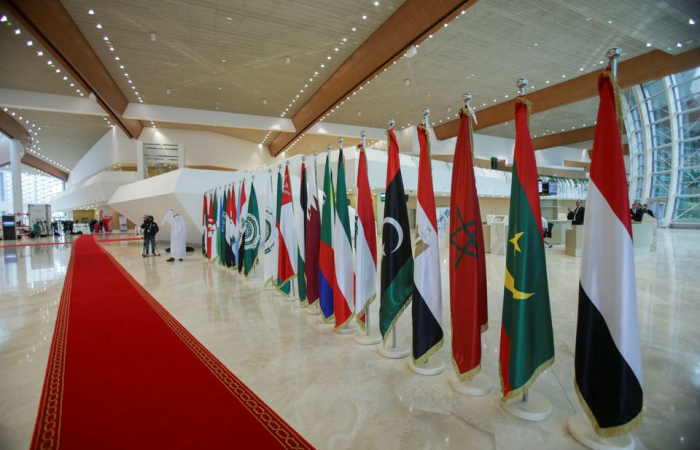
The summit of the League of Arab States opened in  the Algerian capital, Algiers, on Tuesday evening (1 November). In the opening address, Algerian president Abdelmadjid Tebboune called for a strong Arab economic block that protects the common interests of Arab countries. “We must all build a solid Arab economic block that protects our common interests, while working to define priorities and areas of common action, with an immediate and perceptible positive impact on the Arab peoples,” said President Tebboune in his speech to the participants in the 31st Arab Summit. “We still face complex crises with multiple challenges and risks, especially after the Covid-19 pandemic, which has led to instability, tug-of-war, and the exacerbation of the scourge of polarization. This situation has contributed to the proliferation of crises with effects on international peace and security and impact on several countries, particularly in terms of food security,” the Algerian president said. A number of heavyweights are missing from the Algiers summit, including Mohammed bin Salman of Saudi Arabia and Mohammed bin Zayed of the United Arab Emirates. Other Gulf countries, except Qatar will not be represented by their head of state. Another notable absentee is King Mohammed VI of Morrocco, who initially was thought would attend the summit.  AFP quoted Morocco’s Minister of Foreign Affairs Nasser Bourita, saying that Morocco’s monarch initially confirmed his willingness to attend the Algiers summit. “The Moroccan delegation did not receive any confirmation from Algeria through its channels” after inquiring about information on the arrangements for the King’s reception, Bourita said. On the instructions of the King, the Moroccan foreign minister is leading a delegation, representing Morocco during the summit meetings. Relations between Algeria and Morrocco have been strained for a long time because of differences on the future of the territory of Western Sahara.
Editor's choice
Analysis
Analysis: Russia's "Wagner group" poses a threat to peace and security in the Sahel

Analysis: Russia's "Wagner group" poses a threat to peace and security in the Sahel

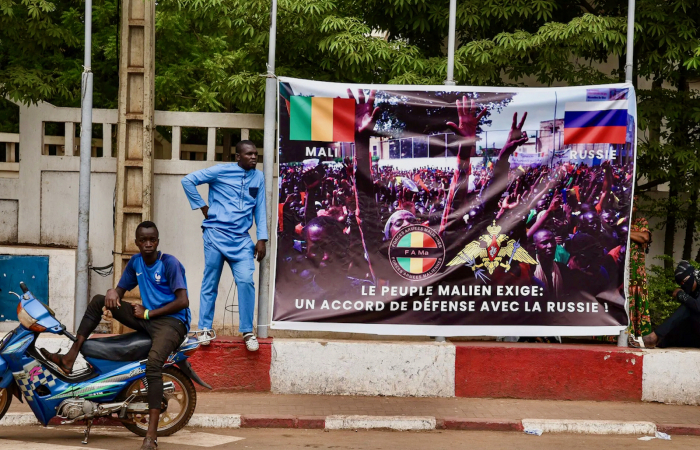
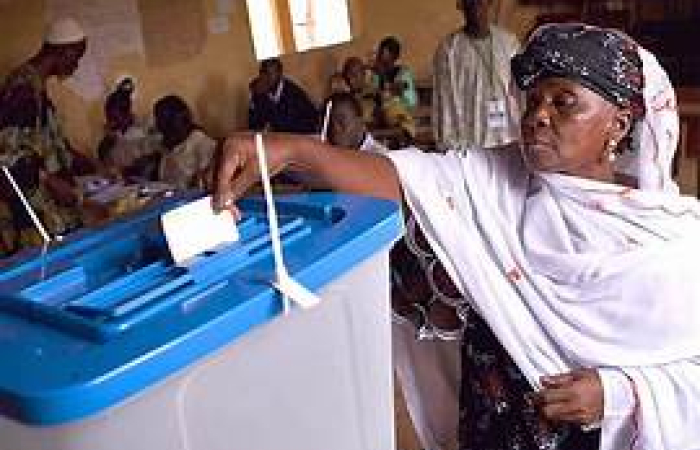
While the world’s attention is focused on Russia’s invasion of Ukraine, Russia’s presence in Africa, and particularly in Mali, increasingly represents a threat to international security, writes Camille Victor for commonspace.eu. Russia’s presence in Mali has generated considerable controversy since the end of 2021, with many Western powers denouncing the activities of the Russian “Wagner Group” paramilitary mercenaries in the country, accusing them of violating human rights and the rule of law. Indeed, while Mali had been cooperating closely with France in the fight against terrorism since 2013, the Malian junta that seized power in a coup in May 2021 has drastically changed its foreign policy, now turning to Moscow to help stabilise the security situation by employing the services of this shady Kremlin-linked private security group. Given that Mali’s security is currently in the hands of forces that not only fail to effectively counter an increasing terrorist threat, but also to fail to respect human rights and the rule of law, all the while facing zero accountability for their abuses, ensuring that the junta upholds its commitment to conduct democratic elections in 2024 must remain a priority. In the meantime, an integrated security risk management and peacebuilding strategy should include measures that encourage transparency and accountability for abuses and breaches to the rule of law committed by security forces, notably through strengthening civilian institutions and oversight mechanisms.
Editor's choice
News
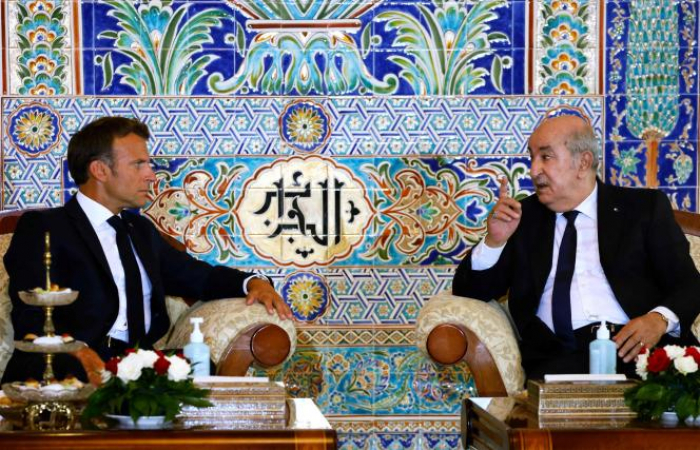
France and Algeria open new chapter in relations

France and Algeria open new chapter in relations

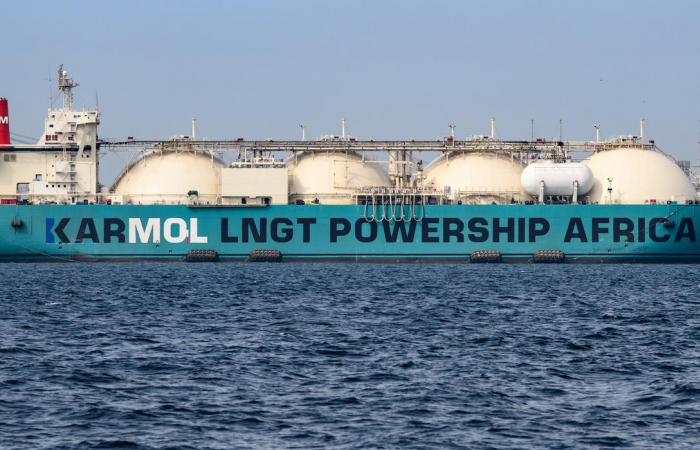
French President Emmanuel Macron and his Algerian counterpart Abdelmadjid Tebboune Saturday declared a "new, irreversible dynamic of progress" in the relations between the two countries, at the end of a state visit by the French president to the former French colony. The three-day visit comes less than two months after Algeria marked six decades of independence following 132 years of French rule and a devastating eight-year war. It also comes as European powers scramble to replace Russian energy imports -- including with supplies from Algeria, Africa's top gas exporter, which in turn is seeking to expand its clout in North Africa and the Sahel. In their joint declaration on Saturday, the two leaders said "France and Algeria have decided to open a new era ... laying the foundation for a renewed partnership expressed through a concrete and constructive approach, focused on future projects and youth." Algerian President Abdelmadjid Tebboune had on Thursday hailed "promising prospects for improving the special partnership" between the two countries. The baggage of history weighs heavily on Franco-Algerian relations. Speaking at a joint press conference with his Algerian counterpart on Thursday evening, Macron -- the first French president to be born since Algerian independence in 1962 -- said that "we didn't the choose the past, we inherited it".