Region

Gulf and Red Sea Regions

Stories under this heading cover the Gulf and the Red Sea regions, including the Arabian Peninsula, Iran and the countries bordering the Red Sea.

Editor's choice
Young voices
Opinion: The children of Sudan that the world forgot to see

Opinion: The children of Sudan that the world forgot to see

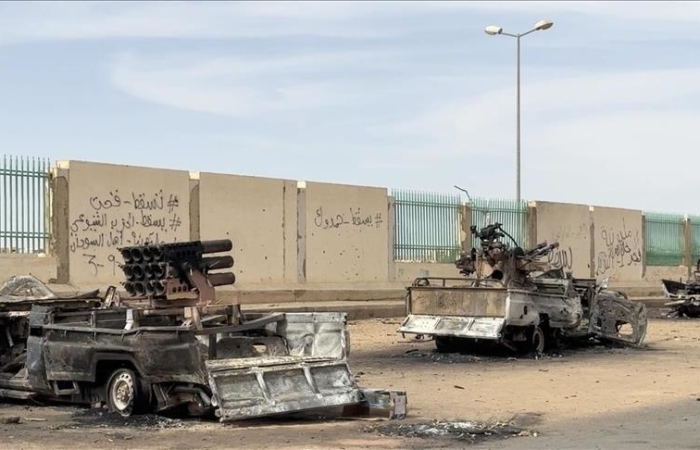
Sudan’s latest war began in April 2023, though the seeds of its violence were planted long before. The Sudanese Armed Forces and the Rapid Support Forces did not collide out of nowhere; they emerged from decades of political rot, unaddressed grievances, ethnic persecution, and military rule that carved deep fractures into the country’s social fabric. When fighting exploded across Khartoum and later consumed Darfur, Kordofan, and the east, it unleashed one of the worst humanitarian catastrophes of the 21st century. In this op-ed, Ioana-Maria Ungureanu, Junior Research Assistant at LINKS Europe, takes a heartfelt look at the plight of Sudan, and its children. When the latest war started, whole cities emptied. Markets burned. Families fled on foot. And a famine began tightening its grip, slow and suffocating. And yet, the world remained mostly silent. Sudanese death is too often framed as an unfortunate feature of the region, a tragedy that feels expected rather than outrageous. Even when evidence of atrocity is abundant, it fails to command the same emotional weight. Sudan should not have to beg for visibility. It deserves it. Because its people deserve to live. And their lives deserve the same respect, safety, and hope that we demand for our own. (read the op-ed in full by clicking the image above)
Filter archive

Publication date
Editor's choice
Editorial
Editorial: Sudan put the “new era of peace” in the Middle East to an early test

Editorial: Sudan put the “new era of peace” in the Middle East to an early test

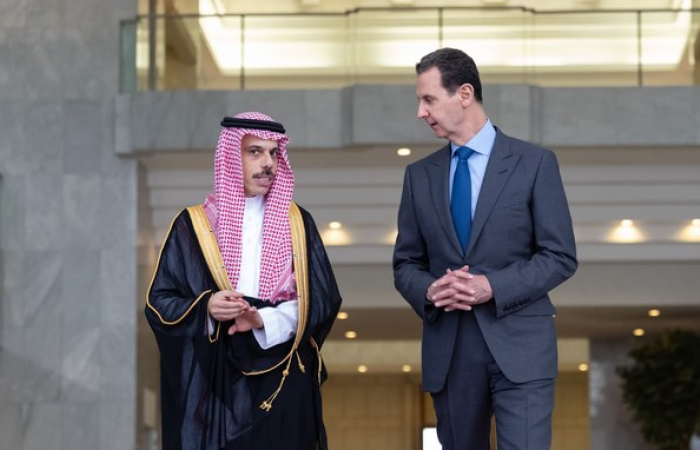
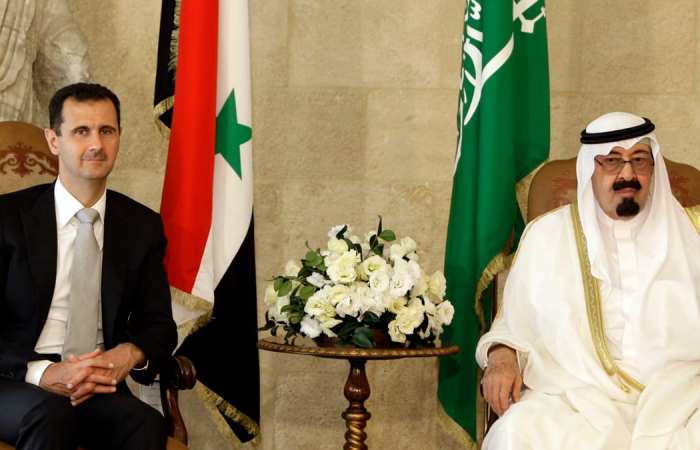
The processes that have been taking place in the Gulf region and the wider Middle East over the last year - which healed the schism within the GCC, reconciled Turkey with Saudi Arabia and the UAE, started the process of bringing back Syria within the Arab fold, and, even more dramatically, started the process of reconciling Saudi Arabia and Iran - appeared in recent days to have even reached Yemen, when the exchange of large numbers of prisoners during the Ramadan month, and the meetings between Saudi officials and the Houthi leadership, augured well for that painful conflict to be also finally resolved. Yet, just as pundits hailed a new era of peace in the Middle East, Sudan erupted into a civil war that has already claimed hundreds of lives, and potentially can be hugely devastating.
Editor's choice
News
Qatar and Bahrain agree to restore diplomatic ties

Qatar and Bahrain agree to restore diplomatic ties

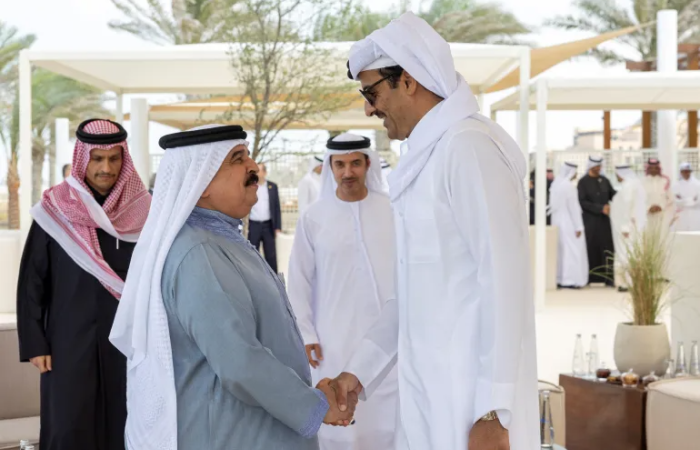
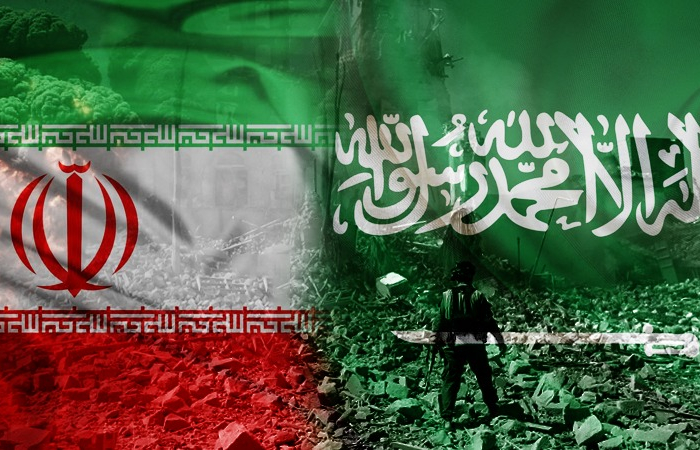
Qatar and Bahrain have announced that they have agreed on restoring diplomatic ties after a meeting on Wednesday (12 April) at the headquarters of the Gulf Cooperation Council (GCC) General Secretariat in Riyadh, Saudi Arabia. According to a statement released by the Qatari foreign ministry, both sides agreed to "enhance the Gulf unity and integration according to the GCC Charter". The agreement ends a dispute that began in 2017, when Bahrain, Saudi Arabia, the United Arab Emirates and Egypt, imposed a diplomatic blockade on Qatar alleging it had worked to support "terrorism", backed hardline groups, maintained too close ties with Iran, and had meddled in those countries' internal affairs. Doha has always firmly denied the allegations. Saudi Arabia, Bahrain, the UAE and Egypt had banned Qatari planes and ships from using their airspace and waters, as well as cutting trade links. All but Bahrain resumed these ties in 2021, however, but UAE and Qatar have not yet opened their respective embassies. The agreement between Bahrain and Qatar is the latest in a series of regional rapprochements. Most significant was the 10 March deal struck between Saudi Arabia and Iran to normalise relations between them. 
Editor's choice
Editorial
Editorial: the surge towards peace across the Muslim Middle East is an expression of pragmatism, not heavenly inspiration

Editorial: the surge towards peace across the Muslim Middle East is an expression of pragmatism, not heavenly inspiration

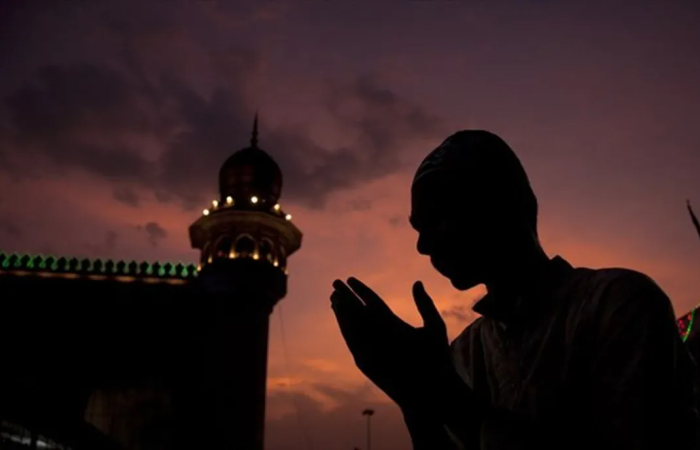
Although we are in the middle of the holy month of Ramadan, and peace is in the air across the whole of the Muslim Middle East, commonspace.eu writes in this editorial that "problems are being patched up, not resolved. Many of the causes or factors that triggered the conflicts in the first place remain as acute as ever. But for the moment the region is exhausted. Visionary leaders need time and space to implement their reforms; others such as the Iranian clerical regime, need time to regroup after being rattled by internal and external turmoil. There is then the issue of the wider picture. The Gulf region has for decades been the epicentre of geopolitical rivalry, which often overspilled into violence. It appears to be now losing this unenviable role. Open warfare is ongoing on the European continent following the Russian invasion of Ukraine in February 2022. This is unlikely to end any time soon."
Editor's choice
Commentary
Commentary: Yemen is where the resilience of the Iran-Saudi deal will be tested

Commentary: Yemen is where the resilience of the Iran-Saudi deal will be tested

Developments in Yemen over the last days do not augur well for the 10 March Iran-Saudi Arabia normalisation deal, writes commonspace.eu in this commentary, writing that "it is in Yemen where the biggest test for the resilience of the Beijing agreement will come, sooner rather than later." On 10 March in Beijing, Iran and Saudi Arabia together with China signed an agreement that amongst other things provides for the restoration of diplomatic relations between Tehran and Riyadh. The agreement has many other provisions, and remains confidential, but it is widely understood that it contains provisions for lessening tensions in the region and taking the heat out of some hotspots where the two regional powers continue to look each other in the eye. Yemen invariably is at the top of the agenda.